
Cheek Filler vs Skin Tightening: How to Choose

When the mid-face starts to look flat or tired, people often wonder whether they need filler or a tightening treatment. The answer depends on whether the main problem is lost volume or loose tissue.
1. Volume loss vs laxity
Volume loss: the cheeks look flat or hollow, and shadows form under the eyes and beside the nose.
Laxity: tissue has loosened and moved down, causing sagging cheeks, deeper folds and jowls.
Many people have both, especially after their 40s.
2. When cheek filler is better
If the cheeks have lost volume but the skin is still fairly firm, cheek filler can restore shape and lift the mid-face. Results are immediate.
3. When skin tightening is better
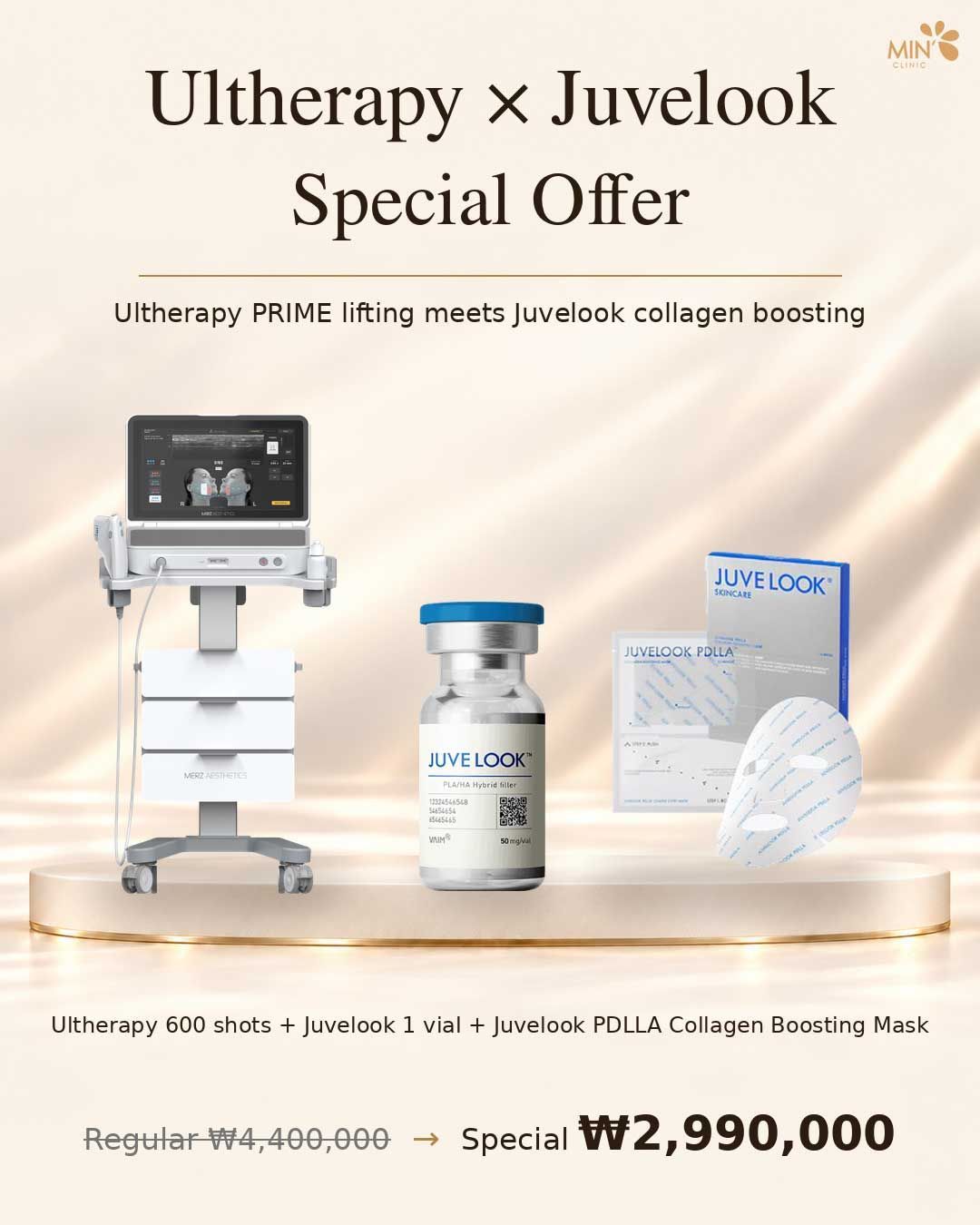
If the cheeks have enough volume but are sagging, tightening treatments such as Ultherapy, 10THERMA or a thread lift are more suitable. Adding filler to sagging tissue can make the face look heavy.
4. Combining both
A combination of tightening and a small amount of filler often gives the most natural result when both volume loss and laxity are present.
5. Results and longevity
Cheek filler typically lasts around six to eighteen months. Ultherapy lasts about a year, and 10THERMA about 12 to 18 months.
6. Cost in Seoul
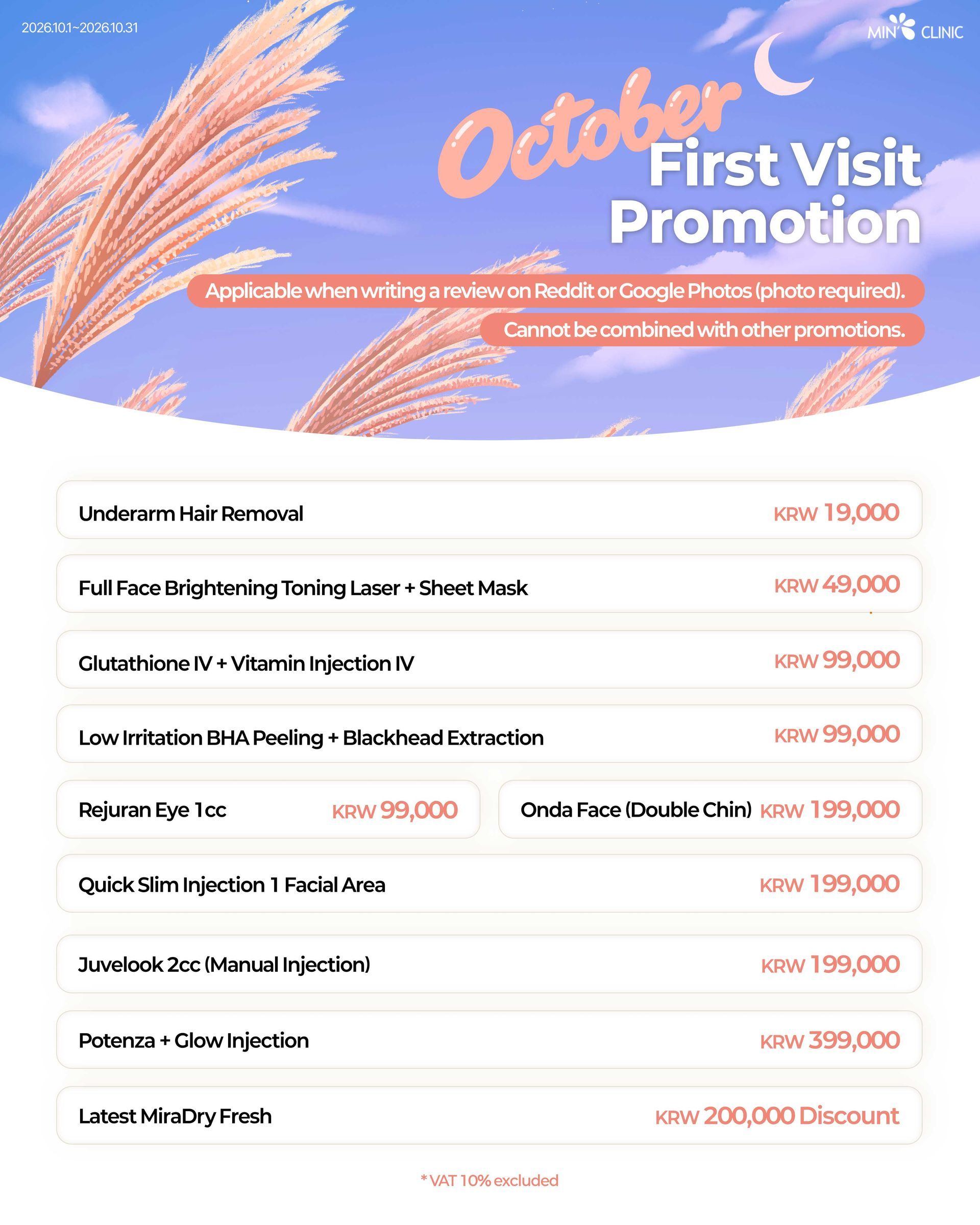
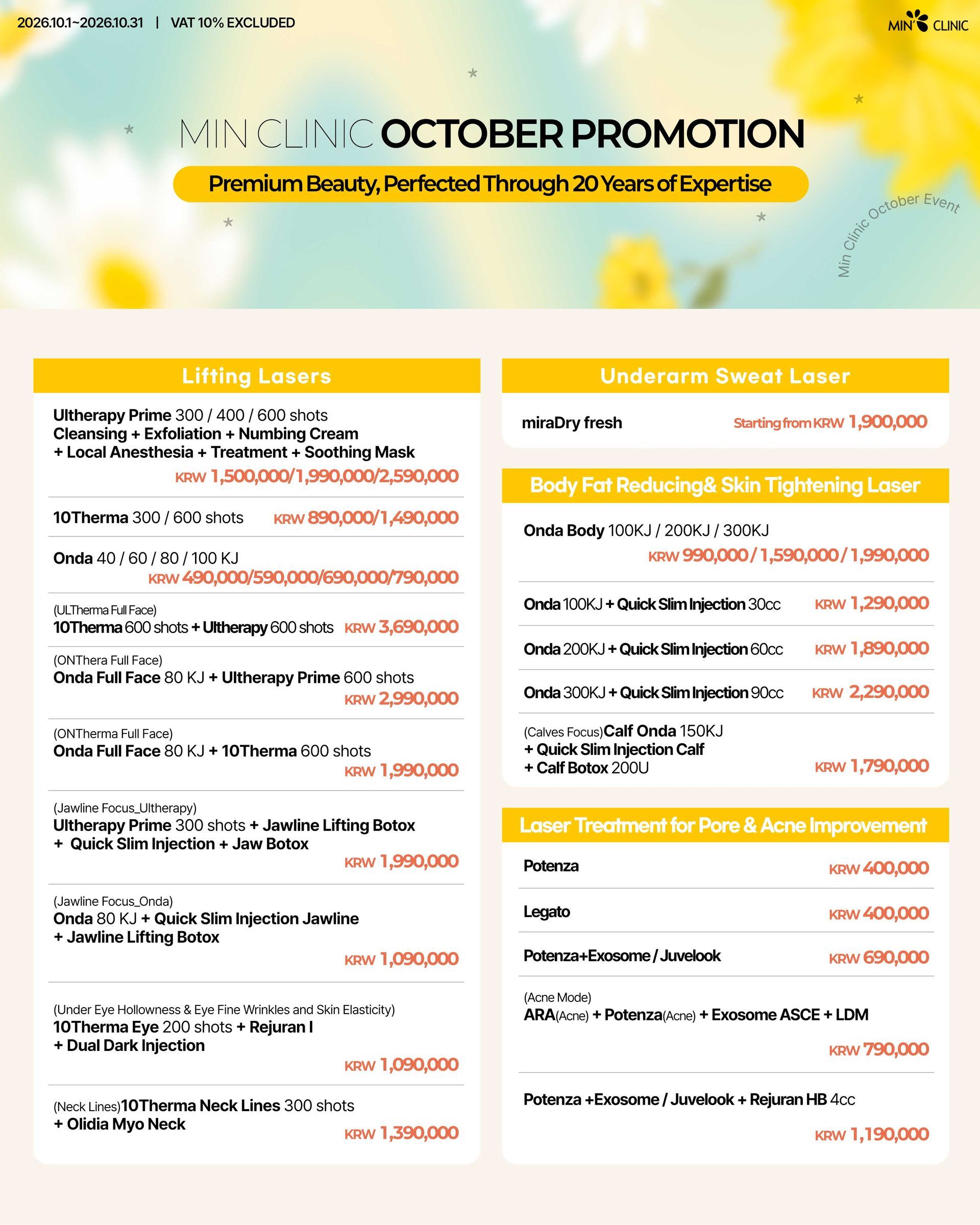
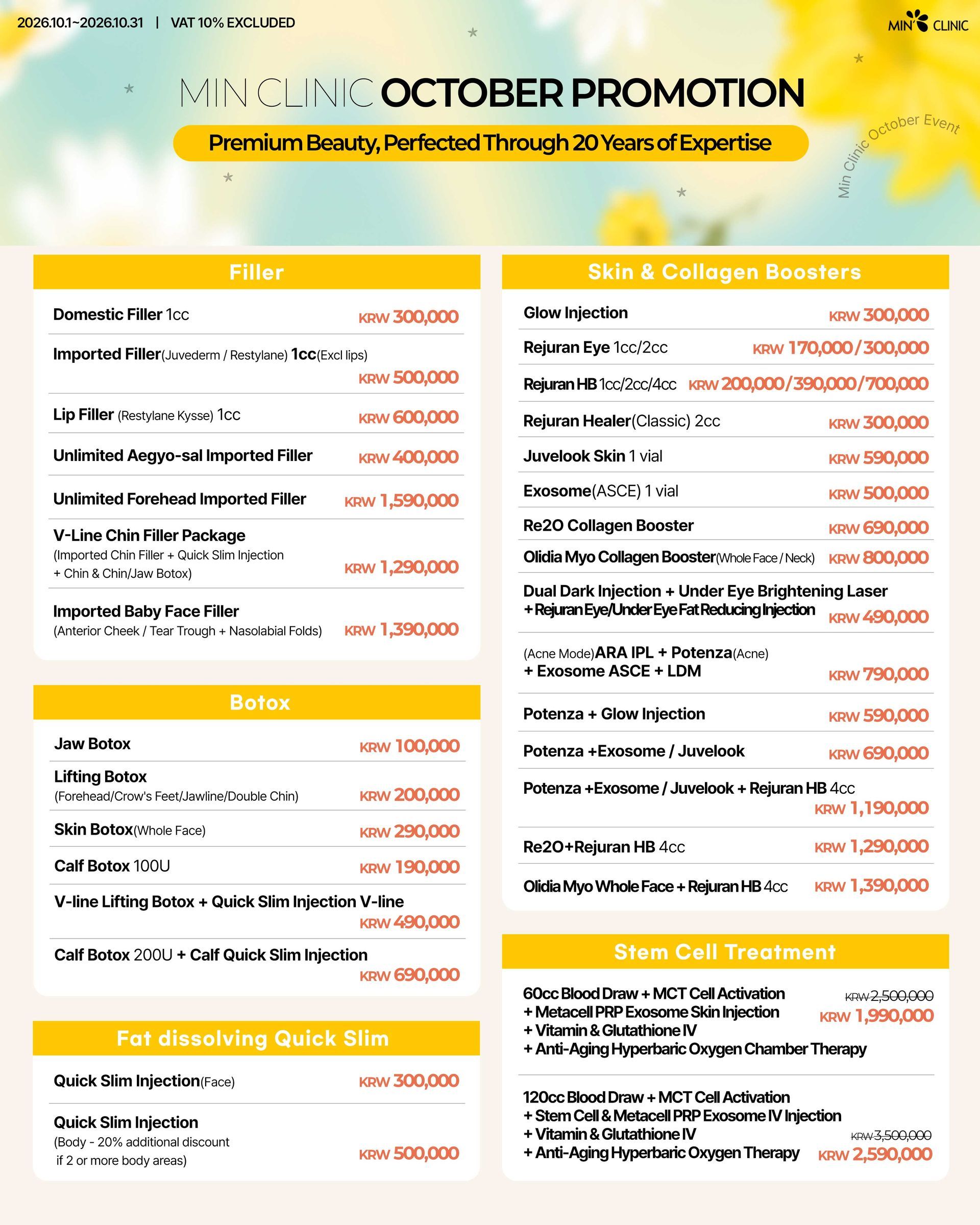
At MIN Clinic, HA fillers typically cost KRW 300,000 to KRW 1,000,000 per syringe, Ultherapy KRW 1,500,000 to KRW 3,500,000 per session, and 10THERMA KRW 800,000 to KRW 2,500,000. See our event price list.
Conclusion
Choose cheek filler for volume loss and skin tightening for sagging; combine them when both are present. Send photos to our English-speaking team on WhatsApp, or explore our dermal fillers and non-surgical facelift options.
This article is for general information and does not replace medical advice. Results vary by individual, and a doctor's consultation is required before any treatment.