
Vitiligo treatment in Gangnam, Seoul
Calm, realistic medical care for white patches — aiming to stabilise vitiligo and encourage pigment to return, with honest guidance on what treatment can and cannot do.
How is vitiligo treated?
Vitiligo is an autoimmune condition in which pigment cells (melanocytes) are lost, leaving white patches. Treatment aims to stop spreading and stimulate repigmentation, usually with topical corticosteroids or calcineurin inhibitors combined with targeted excimer or narrowband UVB light therapy. Response is gradual and varies by body area. Vitiligo cannot always be cured, but many patients regain pigment in treated patches.
Face and neck patches tend to respond best; hands, feet and lips respond more slowly. Starting while patches are small and stable improves the chances of repigmentation.
- Condition type
- Autoimmune pigment loss
- Main treatments
- Topicals + light therapy
- Session time
- About 10–20 min
- Frequency
- Often 1–2 times weekly
- Results visible
- Usually after 2–3 months
- Downtime
- None
- Performed by
- MIN Clinic physicians
- Location
- Cheongdam, Gangnam

How we approach vitiligo
Plans are built around how active your vitiligo is and where the patches are.
Assessment
Patch mapping, history and stability check.
Topical medicines
Anti-inflammatory creams to calm the immune response.
Light therapy
Targeted UVB to stimulate pigment cells.
Camouflage and protection
Sun care and cosmetic cover advice.
A good fit if you…
- have new or slowly spreading white patches
- have patches on the face or neck
- can attend regular light sessions, or continue at home
- want a medically grounded, honest plan
Consider alternatives if you…
- are looking for a guaranteed one-off cure
- have widespread, long-standing patches that have been stable for many years (response is limited)
- have light-sensitive conditions or take photosensitising medicines
- have a white patch that has not been diagnosed — other conditions can look similar
Related pigmentation result
Drag the handle to compare. Photographed at MIN Clinic with the patient’s consent. This shows a related pigment-tone treatment, not vitiligo repigmentation.

 Before
After
- Treatment
- Laser toning (related pigmentation result)
- Concern
- Uneven pigmentation
- Downtime
- None to minimal
- Clinic
- MIN Clinic, Cheongdam-dong
Individual results vary. Photos are shown with patient consent and are not a guarantee of outcome. A doctor consultation is required before treatment.
View more before & afterWhat to expect from treatment
Vitiligo is not contagious and not caused by anything you did. The immune system targets melanocytes, so treatment calms that response and then encourages surviving pigment cells, often around hair follicles, to repopulate the patch. Freckle-like dots of colour appearing inside a patch are an early sign of response.
Stabilise
Stop new patches and spreading.
Repigment
Light and topicals reactivate pigment cells.
Protect
White patches burn easily — strict SPF.
Support
Camouflage and emotional wellbeing matter.
How your visit works
Most international guests complete the visit in one half-day, timed around their flight.
Consultation
History, patch mapping and examination; tests if needed.
Personal plan
Choice of topicals and light therapy for each area.
Regular sessions
Short light treatments while you are in Seoul.
Follow-up
Photo comparison and a plan to continue at home.
Patches stop spreading in many patients.
Small dots of pigment may appear.
Doctor reviews progress and adjusts the plan.
Continued treatment for further repigmentation.
How much does vitiligo treatment cost in Seoul?
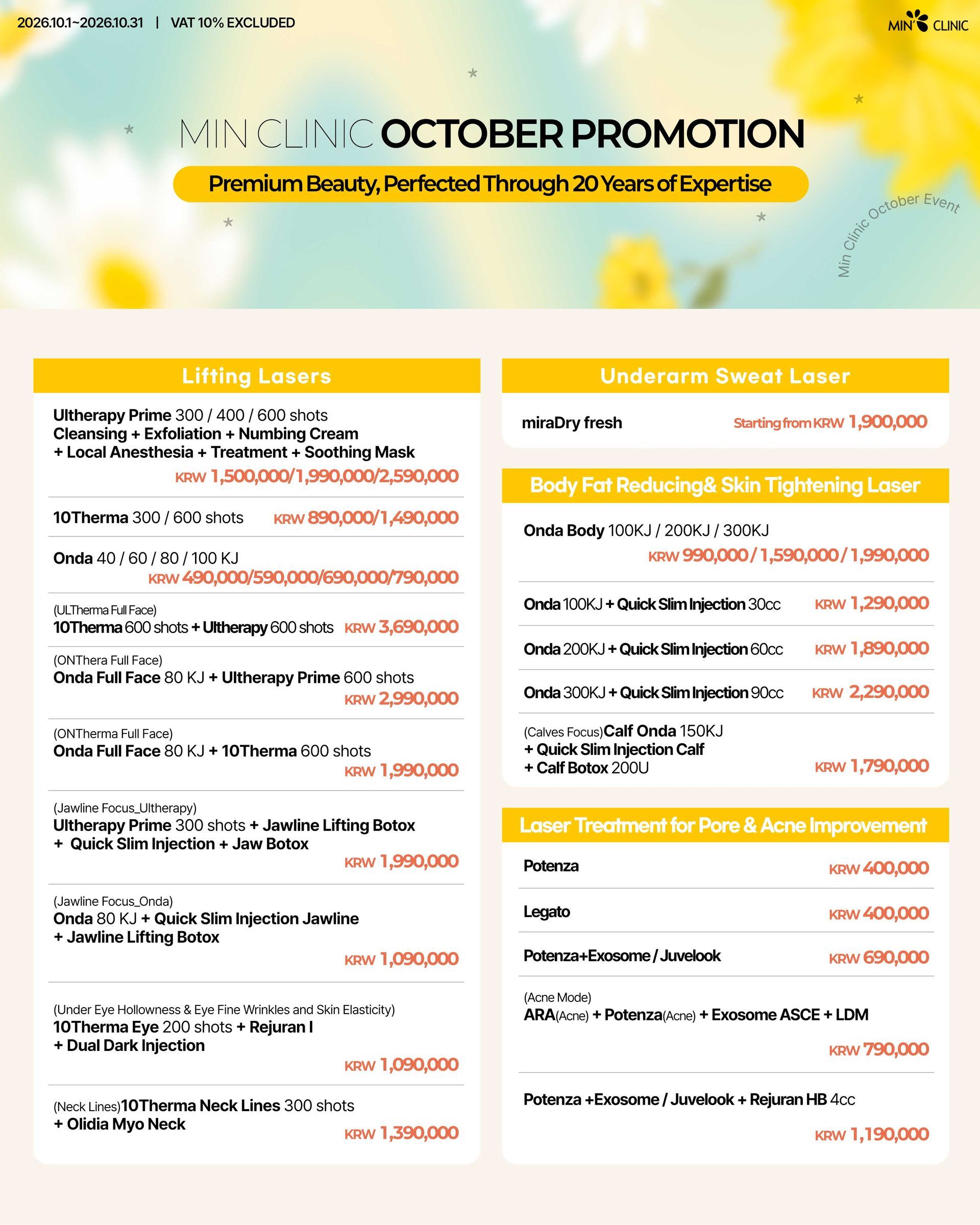
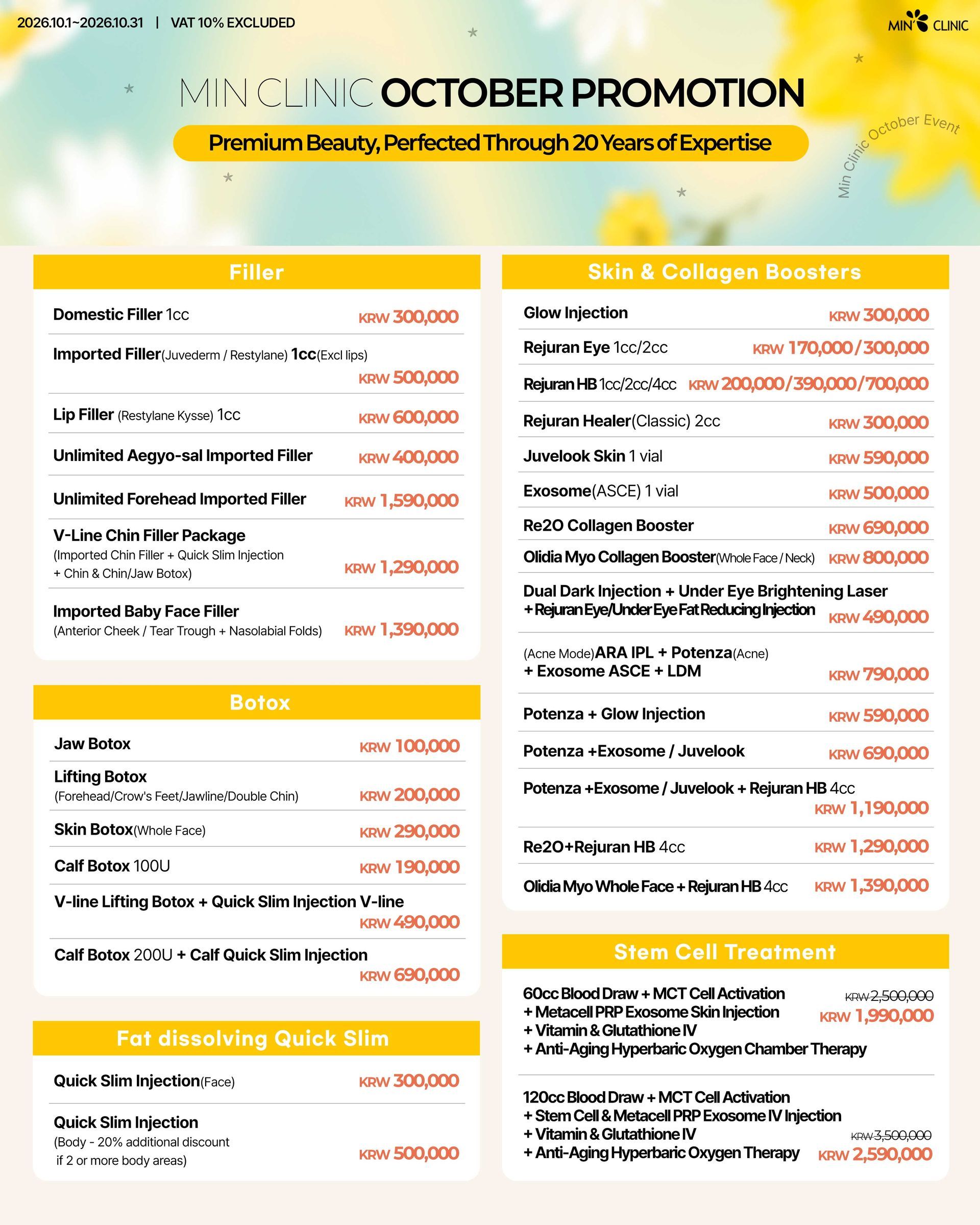
Vitiligo treatment sessions in Seoul typically cost ₩150,000 to ₩350,000, and long-term plans are usually needed. MIN Clinic explains the expected number of sessions and costs at consultation.
Vitiligo treatment
VAT 10% added for non-exempt patients · prices may vary with promotions · tax-free benefits with a foreign passport. Your exact price is confirmed at consultation.
See current offers
Seasonal offers and combination prices are listed on our event page and confirmed in writing at consultation.
Vitiligo treatment options compared
Most patients benefit from combining a topical with light therapy.
| Treatment | How it works | Frequency | Best for |
|---|---|---|---|
| Combined topical + light | Calms immunity, stimulates pigment | Weekly | Most active patches |
| Excimer / targeted UVB | Focused light on patches | 1–2 times weekly | Small, localised patches |
| Topical corticosteroids | Anti-inflammatory | Daily, short courses | Early, limited patches |
| Calcineurin inhibitors | Immune modulation | Daily | Face, eyelids, neck |

Dr. Min Ji Kim
Director · Board-certified specialist, MIN Clinic Cheongdam
- Former Director, Apgujeong ORACLE Dermatology
- Member, Korean Society for Cosmetic Dermatology
- Academic exchange, Shibuya Scramble Dermatology (miraDry), Japan
Vitiligo treatment questions we hear most
Can’t find your answer? Message our English-speaking team on WhatsApp.
Can vitiligo be cured?
There is no permanent cure yet, but treatment can stop progression and restore pigment in many patches, particularly on the face and neck. Results vary between people.
How long does vitiligo treatment take to work?
Most people need at least 2–3 months of regular treatment before visible repigmentation, and a full course often lasts 6–12 months or longer.
Is vitiligo treatment possible as a visitor to Seoul?
You can have a full assessment and start treatment here. Because light therapy needs many sessions, we help you plan how to continue with a doctor or home device after you return.
Do lasers that remove pigment help vitiligo?
No. Pigment-removing lasers such as pico are used for dark spots, not vitiligo. Vitiligo uses targeted UVB light, which stimulates pigment rather than removing it.
Do I need sunscreen with vitiligo?
Yes. White patches have no melanin protection and burn easily, and sunburn can trigger new patches. Use broad-spectrum SPF daily.
Often explored with Vitiligo treatment
Plan your Vitiligo treatment in Cheongdam
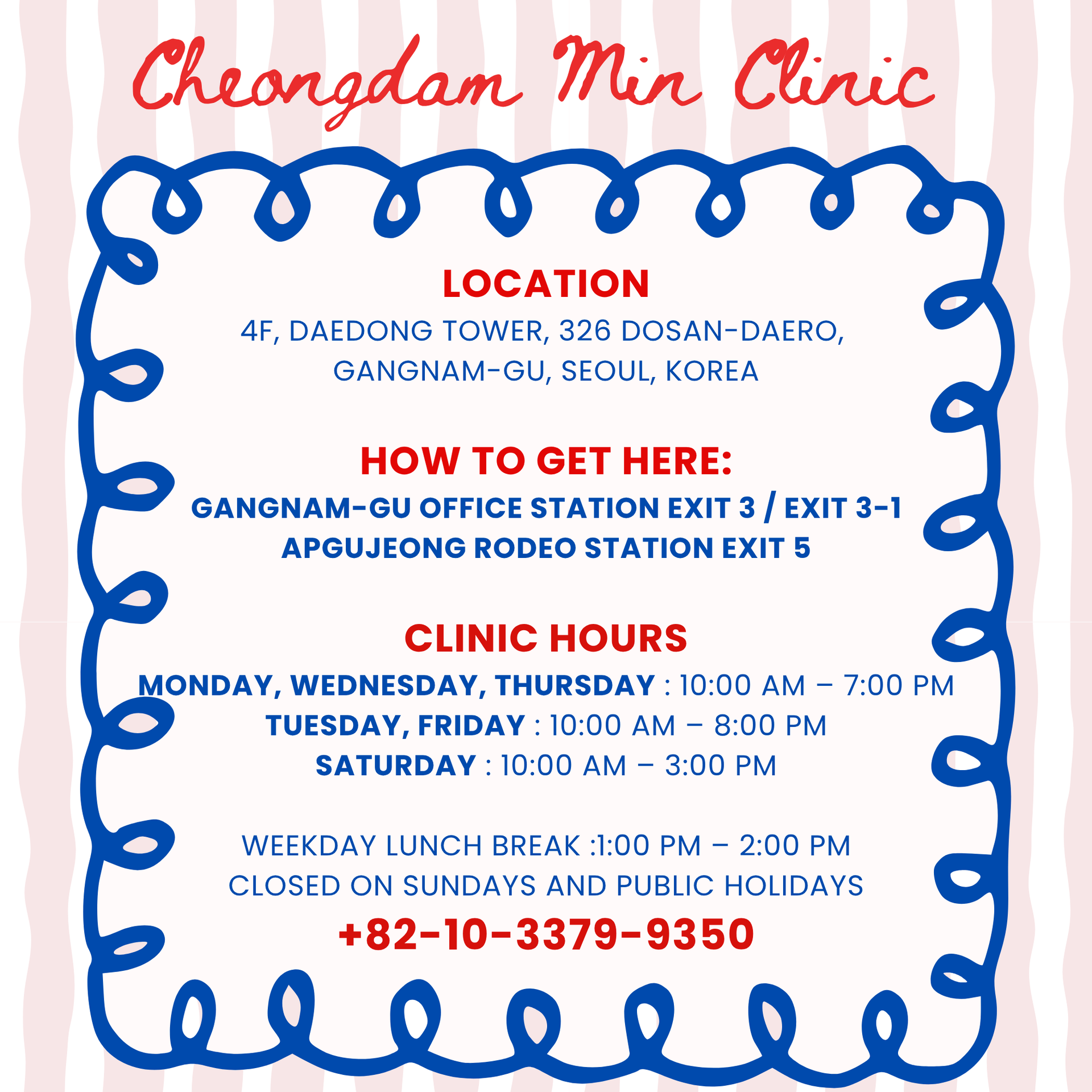
4F Daedong Tower, 326 Dosan-daero, Gangnam-gu, Seoul · Mon–Sat from 10:00 · English & Korean
Results vary by individual. A doctor consultation is required before any treatment.