
Kojic acid treatment in Gangnam, Seoul
A gentle, melanin-inhibiting brightening treatment for post-acne marks, dark spots and dull, uneven tone — planned by a dermatologist and suitable for sensitive skin.
What is kojic acid treatment?
Kojic acid treatment is an in-clinic brightening procedure that applies kojic acid, a fungus-derived ingredient that blocks tyrosinase, the enzyme skin uses to make melanin. Delivered as a peel, mask or serum, it gradually lightens dark marks and post-inflammatory hyperpigmentation with minimal irritation. Results build over several sessions rather than overnight.
At MIN Clinic it is usually one part of a pigmentation plan, combined with ingredients such as niacinamide, arbutin or mild AHAs, and often paired with low-energy laser toning for deeper or more stubborn pigment.
- Treatment time
- About 30–45 min
- Downtime
- None to mild redness
- Sessions
- Usually 3–6
- Interval
- Every 2–4 weeks
- Results visible
- After 2–4 weeks
- Anaesthesia
- Not needed
- Performed by
- MIN Clinic physicians
- Location
- Cheongdam, Gangnam
What kojic acid treats best
Kojic acid works on surface (epidermal) pigment; deeper pigment usually needs a laser as well.
Post-acne marks
Fades flat brown marks left after breakouts.
Dark spots
Softens small sun and age spots over time.
Dull, uneven tone
Brightens blotchy, tired-looking skin.
Maintenance
Helps hold results after laser toning.
A good fit if you…
- have flat brown marks after acne or irritation
- have sensitive skin that dislikes strong peels
- want brightening with no real downtime
- want to maintain results after laser toning
Consider alternatives if you…
- have deep or dermal pigment — see melasma treatment
- have active, inflamed acne or broken skin
- have a known allergy to kojic acid
- are looking for one-session spot removal — see pico laser
Before & after pigmentation care
Drag the handle to compare. Photographed at MIN Clinic with the patient’s consent. This result shows laser toning, which is often combined with brightening peels.

 Before
After
- Treatment
- Laser toning (related pigmentation result)
- Concern
- Uneven tone, pigmentation
- Downtime
- None to minimal
- Clinic
- MIN Clinic, Cheongdam-dong
Individual results vary. Photos are shown with patient consent and are not a guarantee of outcome. A doctor consultation is required before treatment.
View more before & afterWhy kojic acid brightens skin
Melanin is made by melanocytes through a chain of reactions driven by the enzyme tyrosinase. Kojic acid binds copper inside tyrosinase and slows that process, so less new pigment reaches the surface while existing marks shed with normal skin turnover.
Blocks new pigment
Inhibits tyrosinase, the key melanin enzyme.
Works with turnover
Existing marks fade as cells renew.
Layered formulas
Combined with niacinamide, arbutin or AHAs.
Gentle profile
Usually well tolerated by sensitive skin.
How your visit works
Most international guests complete the visit in one half-day, timed around their flight.
Skin analysis
AI 3D skin analysis and a doctor’s review of pigment depth and cause.
Prep and cleanse
Skin is cleansed and, if planned, gently exfoliated.
Kojic acid application
Peel, mask or serum is applied; mild tingling is normal.
Calming and SPF
Cooling, soothing serums and sunscreen before you leave.
Possible mild pinkness for a few hours.
Skin may feel slightly dry; avoid strong sun.
Marks look lighter and tone more even.
Best clarity, then maintain with SPF.
How much does kojic acid treatment cost in Seoul?
Kojic acid treatments in Seoul typically cost ₩80,000 to ₩200,000 per session, depending on whether it is a simple brightening facial or a layered peel. MIN Clinic confirms your exact price at consultation.
Kojic acid treatment
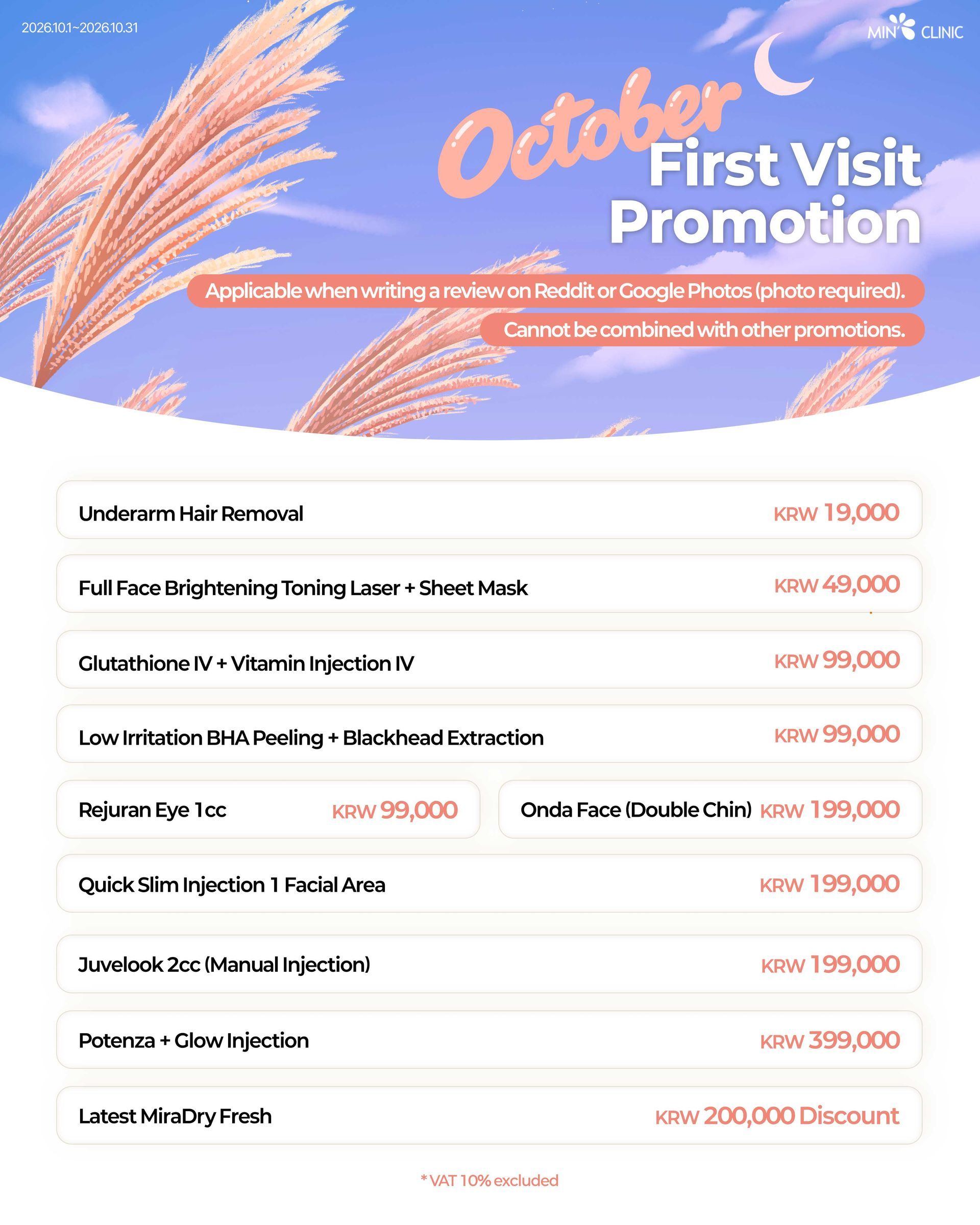
Tax-free benefits may apply with a foreign passport; VAT 10% applies to non-exempt treatments.
See current offers
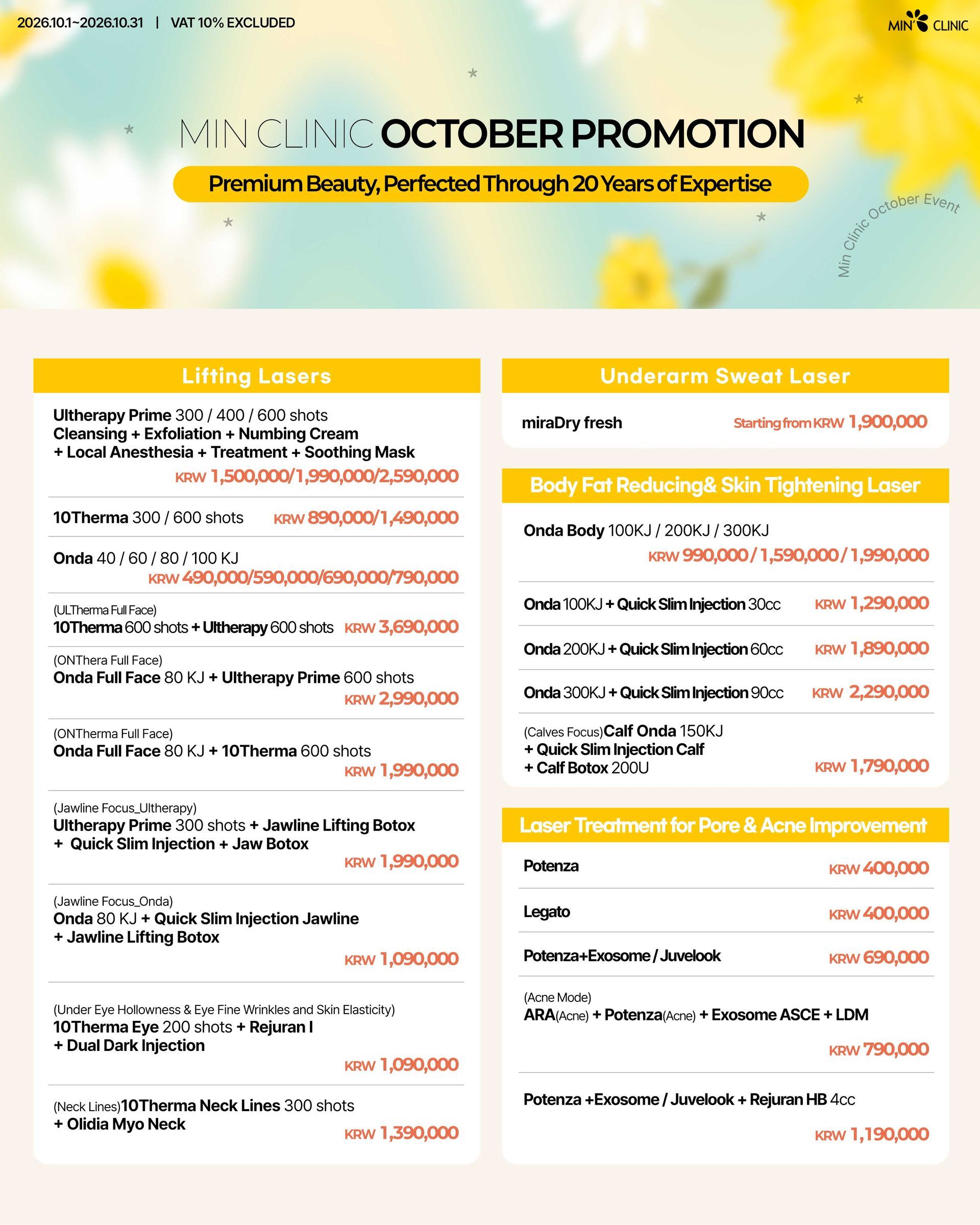
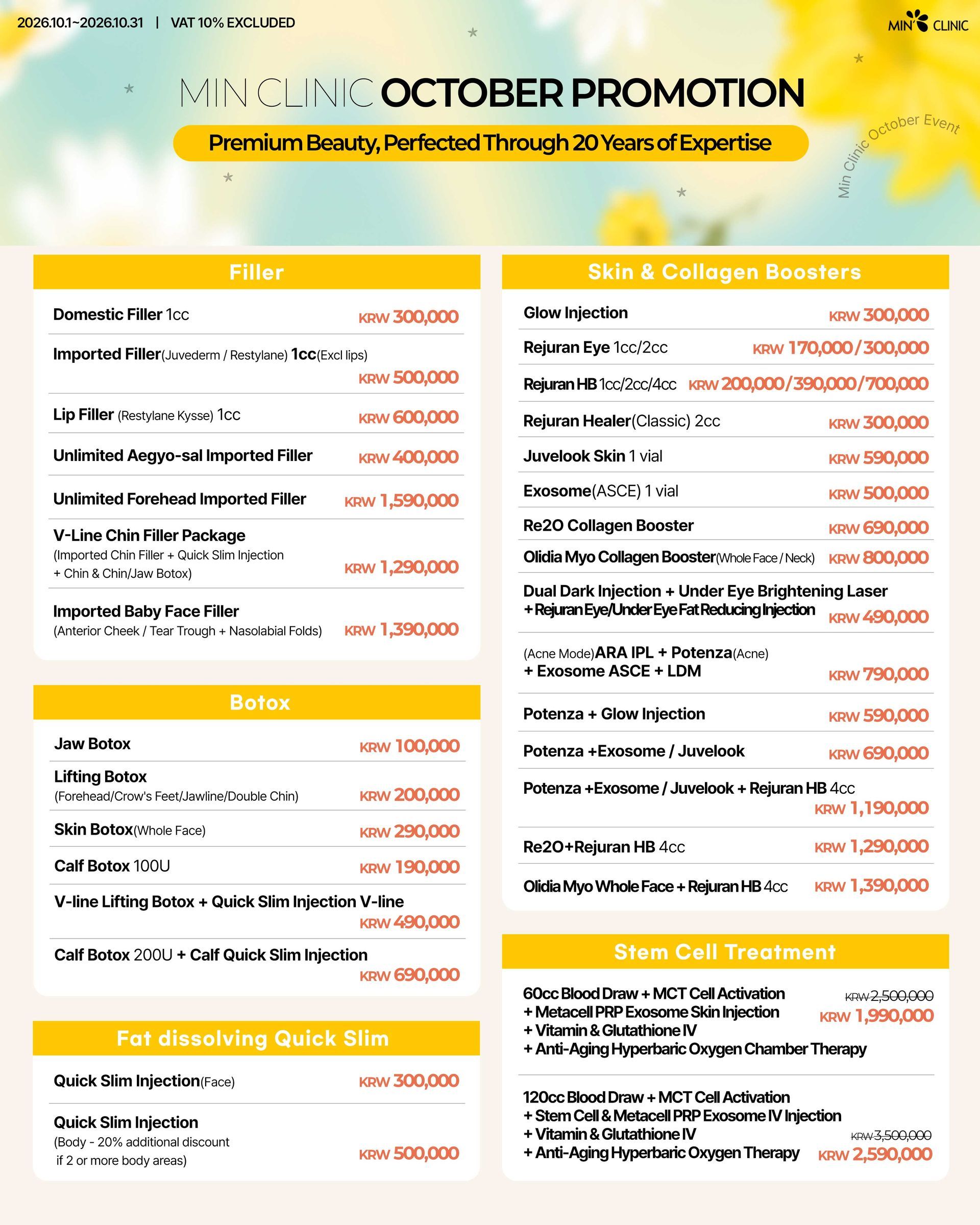
Seasonal offers and combination prices are listed on our event page and confirmed in writing at consultation.
Kojic acid vs other brightening options
Your doctor chooses by pigment depth, skin sensitivity and how much downtime you have.
| Treatment | Method | Depth | Best for |
|---|---|---|---|
| Kojic acid treatment | Tyrosinase inhibitor | Epidermis | Mild marks, sensitive skin |
| Chemical peels | Acid exfoliation | Epidermis | Texture and dullness |
| Laser toning | Low-energy laser | Epidermis + dermis | Melasma, diffuse pigment |
| Pico laser | Picosecond laser | Targeted spots | Distinct dark spots |

Dr. Min Ji Kim
Director · Board-certified specialist, MIN Clinic Cheongdam
- Former Director, Apgujeong ORACLE Dermatology
- Member, Korean Society for Cosmetic Dermatology
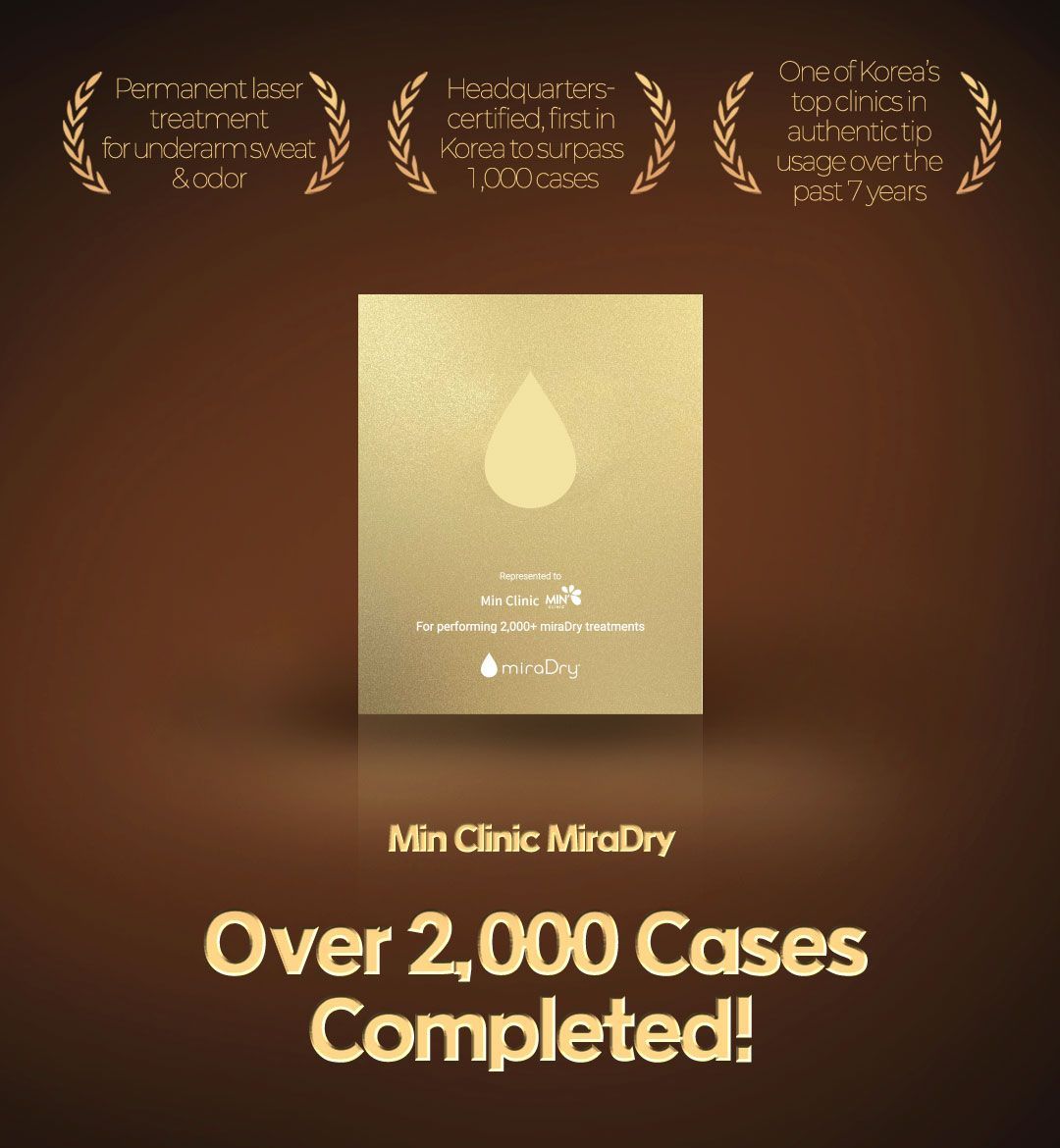
- Academic exchange, Shibuya Scramble Dermatology (miraDry), Japan
Kojic acid treatment questions we hear most
Can’t find your answer? Message our English-speaking team on WhatsApp.
Does kojic acid really work on dark spots?
Yes, for surface pigment. Kojic acid reduces new melanin production, so marks fade gradually over several weeks. Deeper or hormonal pigment usually needs laser toning as well.
Is kojic acid safe for sensitive skin?
It is generally well tolerated, but some people develop redness or contact irritation. Your doctor checks your skin first and adjusts the concentration; tell us about any past reactions.
How many kojic acid sessions do I need?
Most patients need 3–6 sessions every 2–4 weeks. On a short trip, we can plan one or two sessions in clinic and a home-care routine to continue the effect.
Can kojic acid treat acne marks?
Flat brown post-acne marks ( PIH) respond well. Indented scars are a texture problem and need treatments such as acne scar removal.
What should I do after a kojic acid peel?
Use a gentle cleanser, moisturiser and broad-spectrum sunscreen daily, and avoid scrubs, retinoids and saunas for a few days. Sun protection is what keeps pigment from returning.
Often explored with Kojic acid treatment
Plan your Kojic acid treatment in Cheongdam
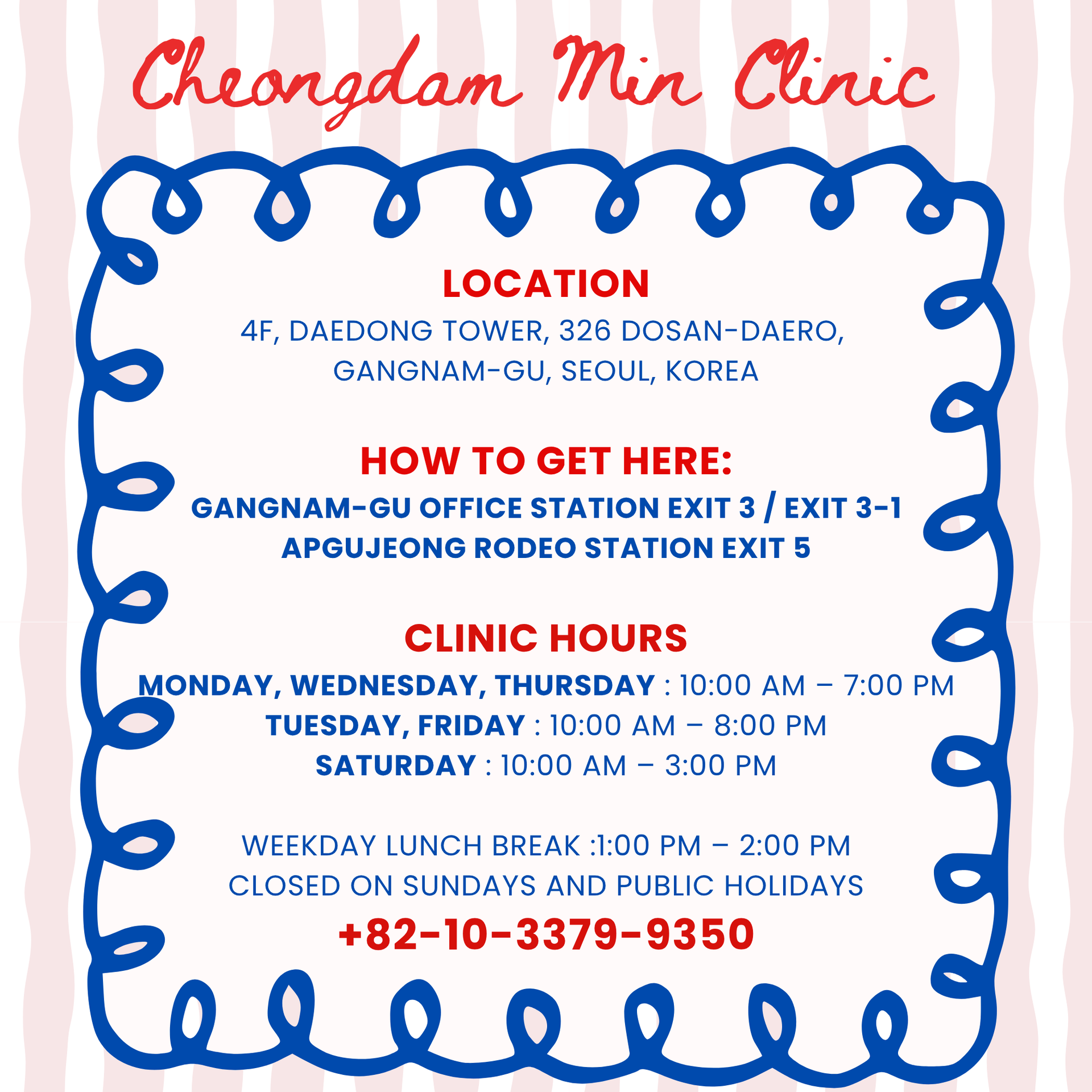
4F Daedong Tower, 326 Dosan-daero, Gangnam-gu, Seoul · Mon–Sat from 10:00 · English & Korean
Results vary by individual. A doctor consultation is required before any treatment.