
Keloid scar treatment in Gangnam, Seoul
A combined, carefully monitored plan to flatten raised keloids, ease itching and lower the chance of regrowth on the earlobes, chest, shoulders and jaw.
What is a keloid and how is it treated?
A keloid is a raised, firm scar that grows beyond the edges of the original wound because the skin keeps producing excess collagen. It may itch or hurt. Treatment usually combines intralesional steroid injections with laser, silicone gel or pressure, and sometimes cryotherapy, to flatten the scar and reduce the high risk of recurrence. Keloids need long-term follow-up rather than a single treatment.
Keloids are more common in people with darker skin and a family history, and often follow piercings, acne, surgery or vaccinations on the earlobes, chest, shoulders and jawline. Cutting a keloid out alone often makes it return larger, so excision is only considered with additional therapy.
- First-line
- Steroid injections
- Supporting
- Laser, silicone, pressure
- Sessions
- Usually 2–6+
- Interval
- Every 3–6 weeks
- Downtime
- None to minimal
- Follow-up
- Long-term, for recurrence
- Performed by
- MIN Clinic physicians
- Location
- Cheongdam, Gangnam
Common keloid sites
Areas under tension or with thick skin are most affected.
Earlobes
Often after piercing.
Chest
Acne, surgery or minor injuries.
Shoulders and upper back
Acne and vaccination sites.
Jawline
Acne-related raised scars.
A good fit if you…
- have a raised scar that is growing beyond the wound
- have an itchy or painful thick scar
- have an earlobe keloid after piercing
- are willing to follow up over several months
Consider alternatives if you…
- have a depressed scar — see atrophic scars
- want a one-time cure (keloids need ongoing care)
- are pregnant (injection timing to be discussed)
- have an infected or ulcerated scar (treat first)
Before & after redness treatment
Drag the handle to compare. Photographed at MIN Clinic with the patient’s consent. This photo shows a related redness treatment, not a keloid.

 Before
After
- Treatment
- IPL (related redness result)
- Concern
- Redness
- Downtime
- Minimal
- Clinic
- MIN Clinic, Cheongdam-dong
Individual results vary. Photos are shown with patient consent and are not a guarantee of outcome. A doctor consultation is required before treatment.
View more before & afterHow keloids are managed
Combination therapy works better than any single method.
Silicone and pressure
Gel, sheets or pressure earrings help prevent regrowth.
Cryotherapy or excision
Considered for selected keloids, always with follow-up therapy.
How your visit works
Most international guests complete the visit in one half-day, timed around their flight.
Message us
Send photos and your goals on WhatsApp. We reply in English with options and an estimated price.
Skin analysis
An AI 3D skin analysis and a one-to-one consultation with your physician.
Treatment
Keloid scar treatment is performed by your MIN Clinic physician, with numbing or comfort care where needed.
Aftercare
English aftercare notes, follow-up on WhatsApp and tax-free benefits with a foreign passport.
Brief sting; no downtime.
Itching and tenderness often ease.
Dose and plan adjusted; repeat.
Silicone care and checks against recurrence.
How much does keloid treatment cost in Seoul?
Keloid treatment in Seoul typically ranges from ₩80,000 to ₩250,000 per session depending on keloid size and the methods combined. MIN Clinic confirms the price after examining the scar.
Keloid scar treatment
VAT 10% added for non-exempt patients · prices may vary with promotions · tax-free benefits with a foreign passport. Your exact price is confirmed at consultation.
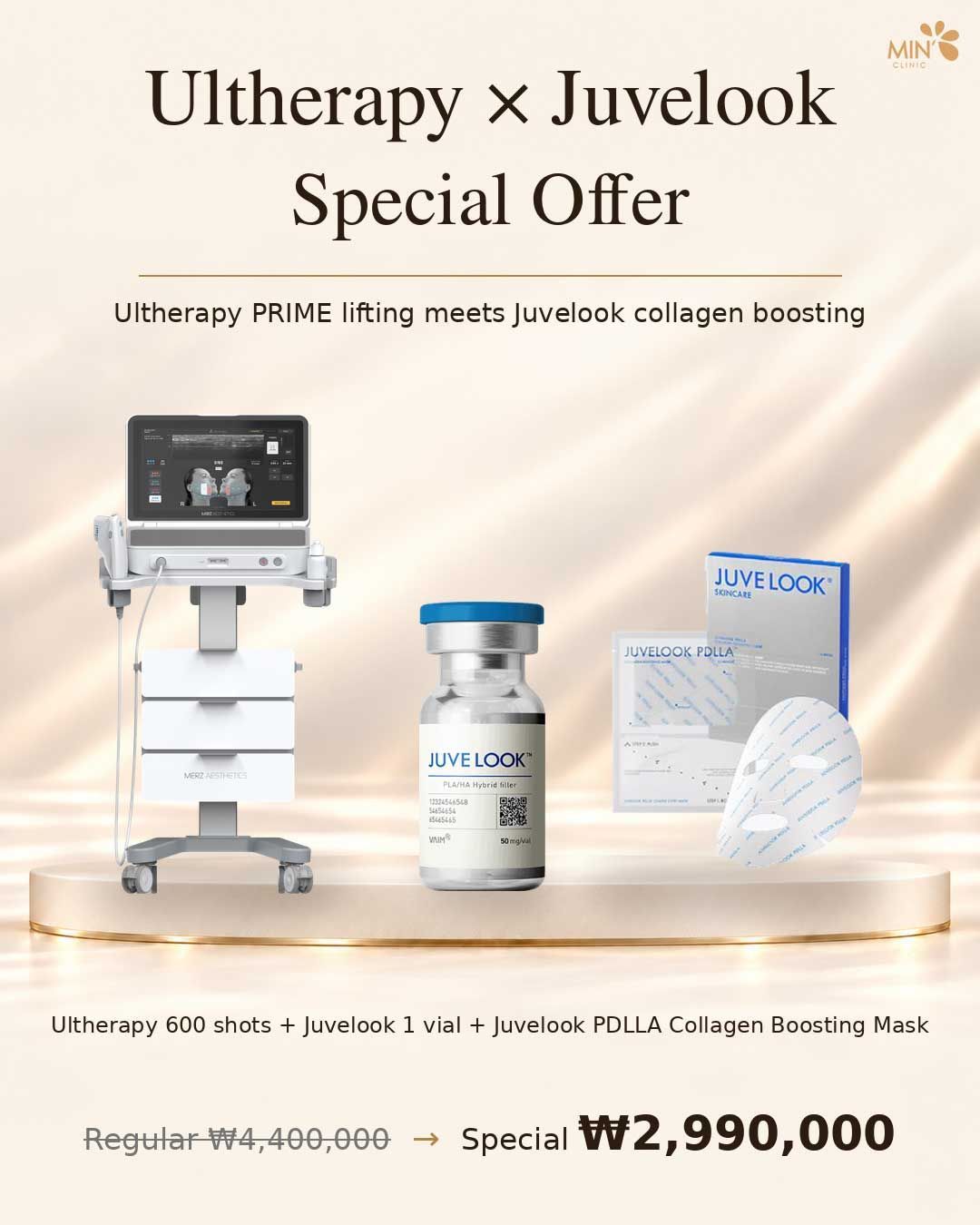
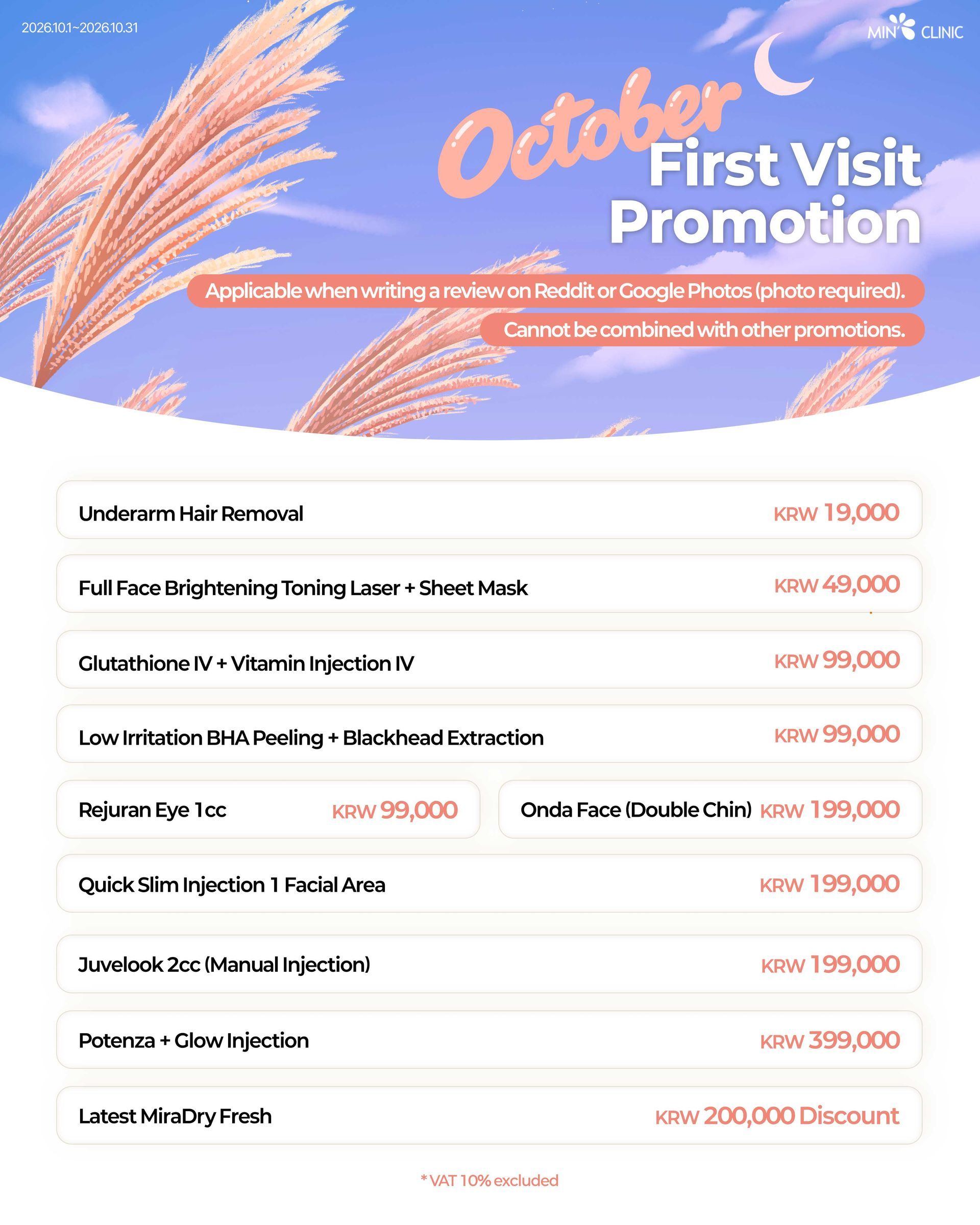
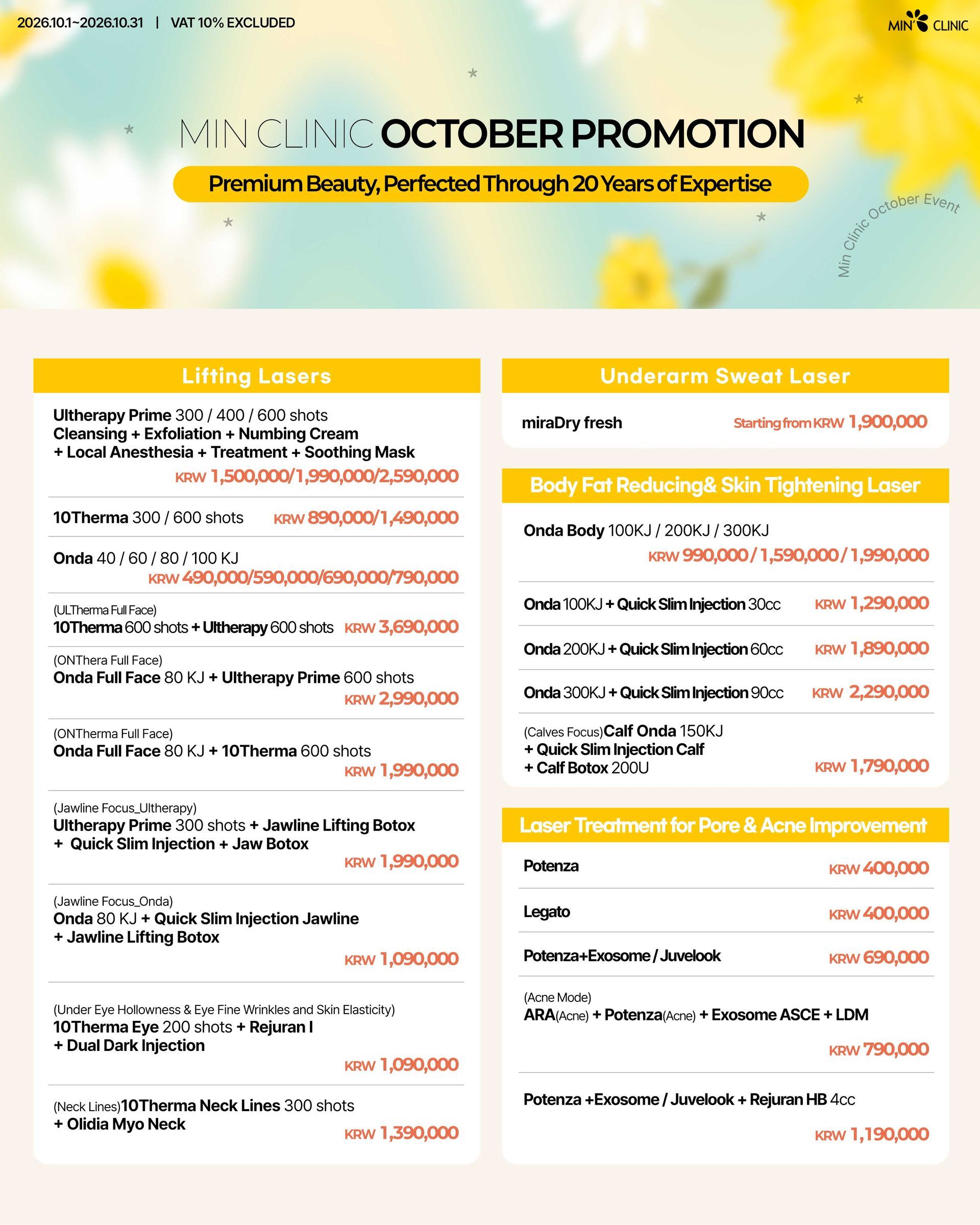
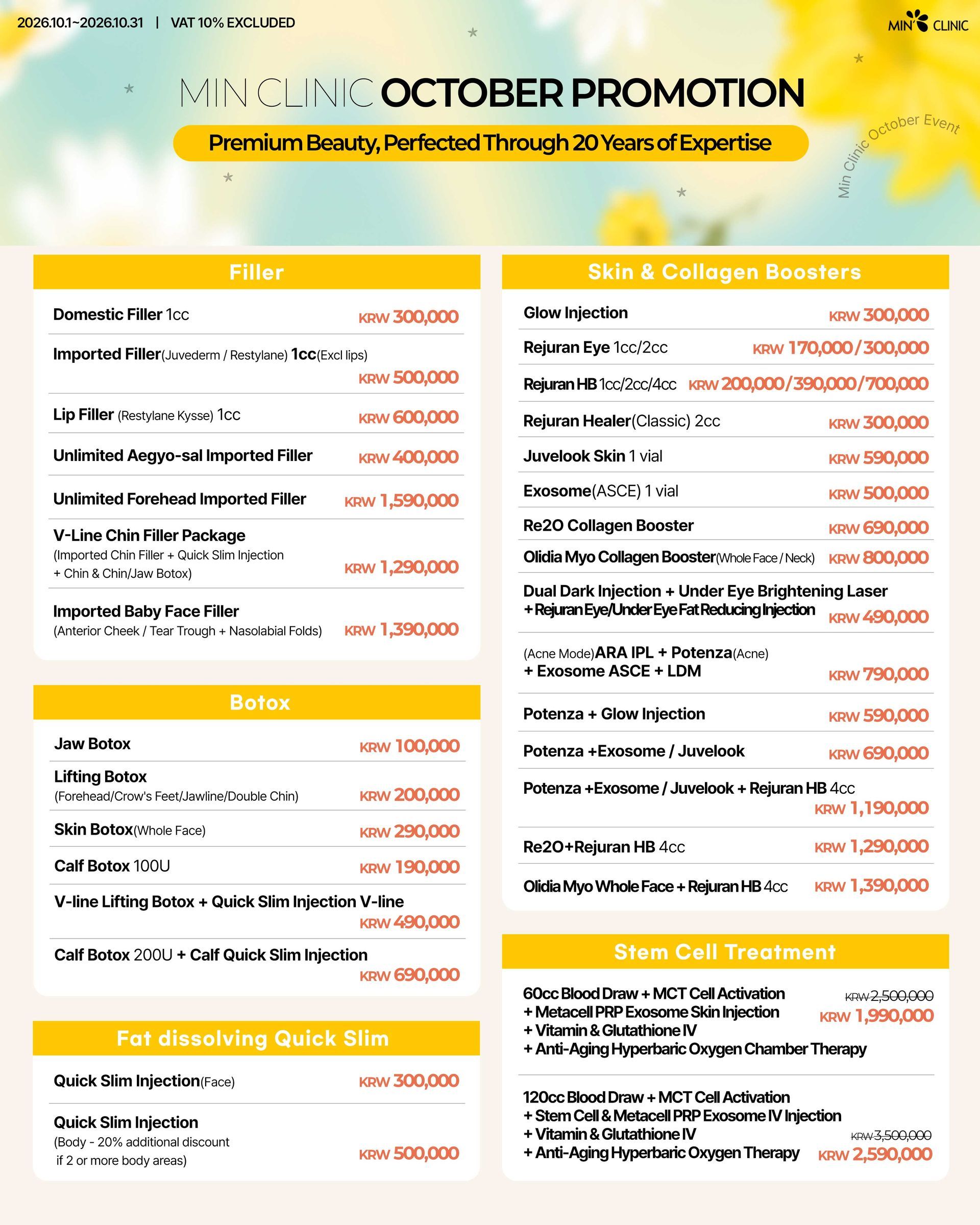
See current offers
Seasonal offers and combination prices are listed on our event page and confirmed in writing at consultation.
Keloid vs hypertrophic scar
They look similar but behave differently.
| Feature | Keloid | Hypertrophic scar | Treatment approach |
|---|---|---|---|
| Keloid | Grows beyond the wound | — | Long-term combination care |
| Hypertrophic scar | — | Stays within the wound | Often improves with injections |
| Recurrence | High after excision | Lower | Follow-up essential |
| Main tool | Steroid injection | Steroid injection, silicone | Plus laser and silicone |
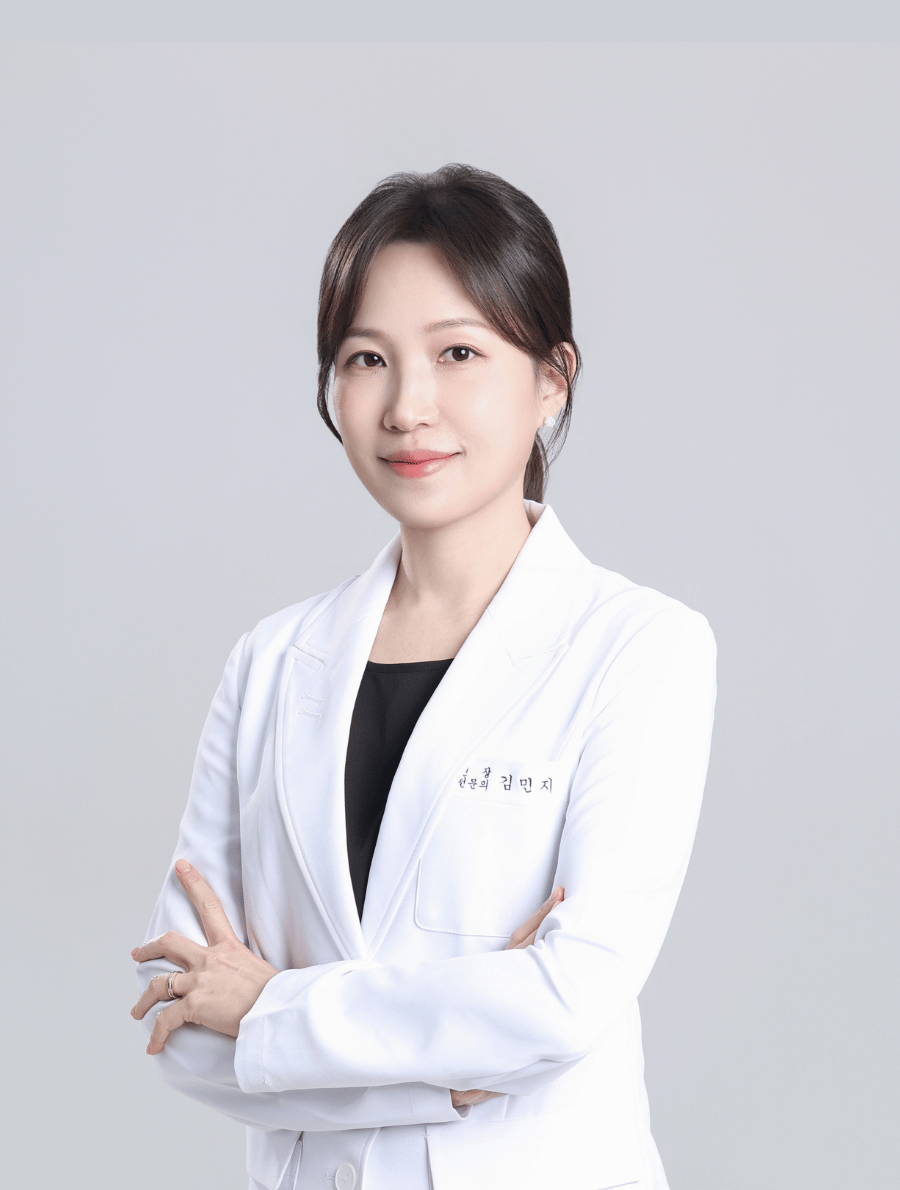
Dr. Min Ji Kim
Director · Board-certified specialist, MIN Clinic Cheongdam
- Former Director, Apgujeong ORACLE Dermatology
- Member, Korean Society for Cosmetic Dermatology
- Academic exchange, Shibuya Scramble Dermatology (miraDry), Japan
Keloid scar treatment questions we hear most
Can’t find your answer? Message our English-speaking team on WhatsApp.
Can keloids be removed permanently?
Keloids can be flattened and controlled, but they have a high tendency to return. Combination treatment and follow-up give the best long-term control.
Should a keloid be cut out?
Surgical removal alone often leads to a larger recurrence. If excision is considered, it is combined with steroid injections or other therapy afterwards.
How many injections does a keloid need?
Often 2–6 or more sessions spaced 3–6 weeks apart, depending on size and response.
How can I prevent an earlobe keloid from coming back?
Follow-up injections, silicone gel and pressure earrings help. Avoid re-piercing the same area.
Can acne cause keloids?
Yes, especially on the chest, shoulders and jawline. Controlling acne early with acne treatment reduces the risk.
Often explored with Keloid scar treatment
Plan your Keloid scar treatment in Cheongdam
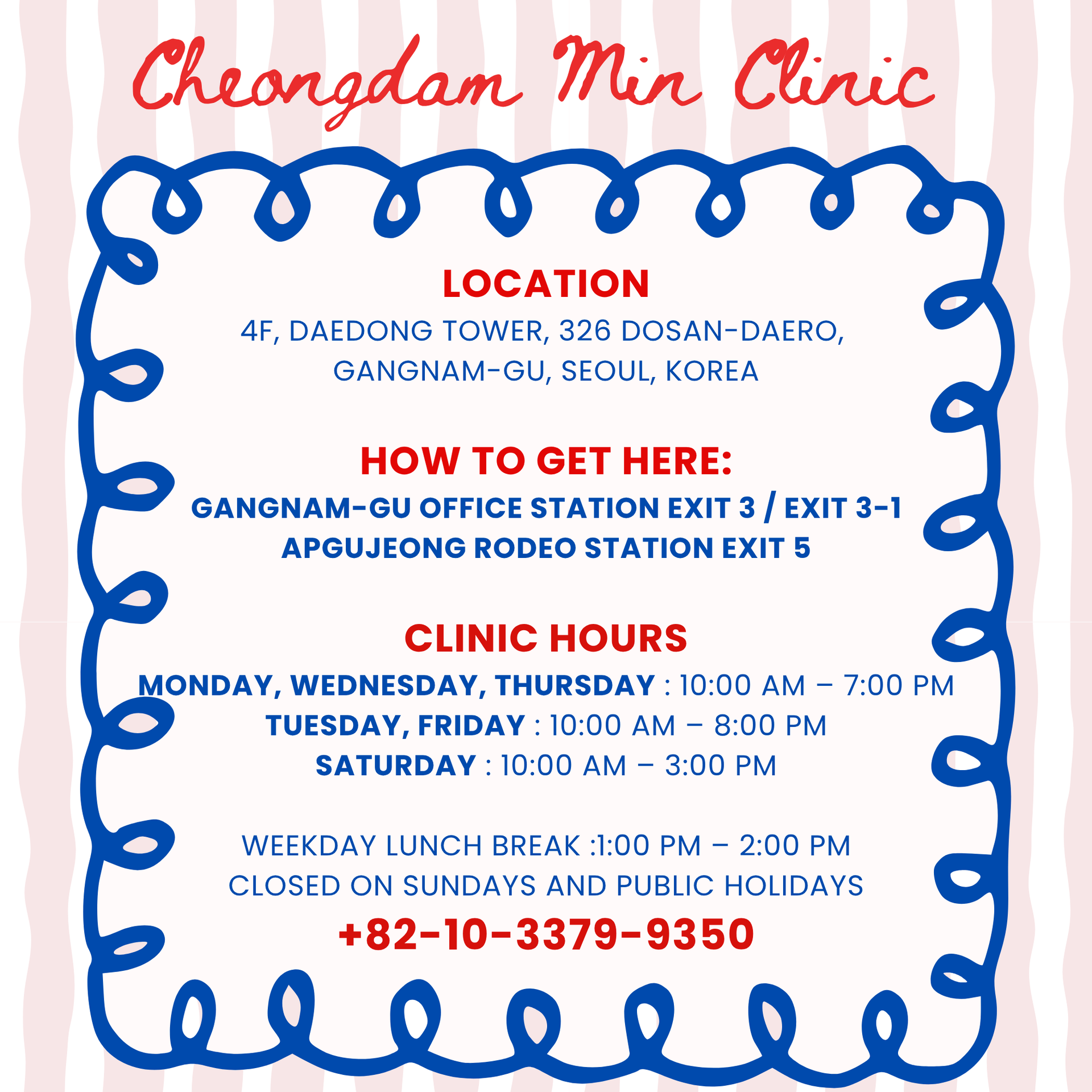
4F Daedong Tower, 326 Dosan-daero, Gangnam-gu, Seoul · Mon–Sat from 10:00 · English & Korean
Results vary by individual. A doctor consultation is required before any treatment.