
How Often Should You Get Skin Booster Treatments?

Skin boosters work best when they are repeated at the right intervals. If sessions are too far apart, results fade before the next treatment builds on them. If they are too close together, the skin does not have time to respond, and you may increase irritation without improving results. Getting the schedule right is just as important as choosing the right booster.
This guide explains why boosters need a course, typical schedules for the most popular boosters in Gangnam, how long results last, what changes the schedule and how to plan sessions around trips to Seoul.
1. Why boosters need a course
Most boosters improve skin by supporting repair, hydration or collagen production. These are biological processes that build over time, so each session adds to the last. A course gives the skin enough repeated stimulation to produce a visible, lasting change rather than a short-term glow.
2. Typical schedules
Rejuran Healer: three to four sessions, two to four weeks apart, then maintenance about every six months.
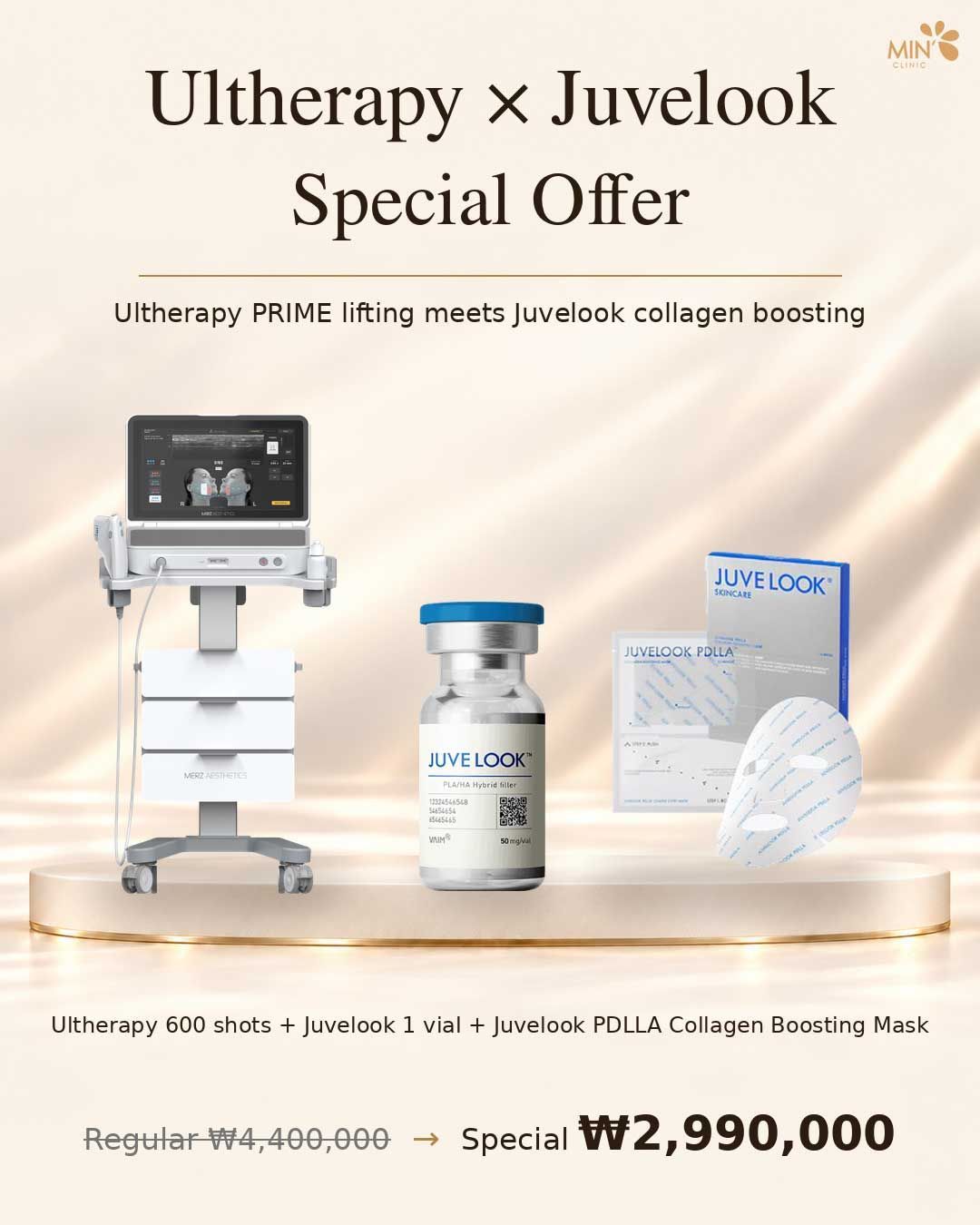
Juvelook: two to three sessions, several weeks apart, with maintenance based on your skin's response.
PRP: two to three sessions, about four weeks apart.
Exosome: often monthly, or after each laser or microneedling session.
Hyaluronic acid boosters: usually two to three sessions, then periodic top-ups.
Collagen stimulators: one to three sessions, with results lasting around 12 to 24 months.
3. How long do results last?
Skin boosters generally give results lasting around six to twelve months after a full course. Biostimulating products, such as collagen stimulators, can maintain improvement for longer — sometimes up to about two years. Hydrating boosters tend to need more frequent top-ups because their effect relies on moisture.
4. Factors that change the schedule
Age and skin condition: thinner or more damaged skin may need more sessions to see the same change.
Lifestyle: sun exposure, smoking, stress and lack of sleep shorten results.
Goals: preparing for an event may call for a tighter schedule closer to the date.
Other treatments: lasers or lifting may change the timing so the skin is not overloaded.
Your doctor will adjust the schedule after seeing how your skin responds to the first session.
5. Planning around international travel
If you visit Seoul once or twice a year, a practical approach is to start a course during one trip — with two sessions if you can stay two to four weeks — and continue with maintenance on later visits. Some patients complete the course with a doctor at home and return to Seoul for maintenance or for treatments that are harder to find locally. Our team can suggest a plan around your travel dates.
6. Can you have boosters too often?
Having sessions closer together than recommended does not speed up results and may increase irritation, bruising or swelling. Each product has a recommended interval for good reasons. Follow your doctor's spacing for the specific booster.
7. Combining boosters with other treatments
Boosters are often scheduled around lifting and lasers. For example, Ultherapy once a year with Rejuran maintenance every six months, or a laser series with exosome after each session. A clear calendar helps you keep track.
8. Cost considerations
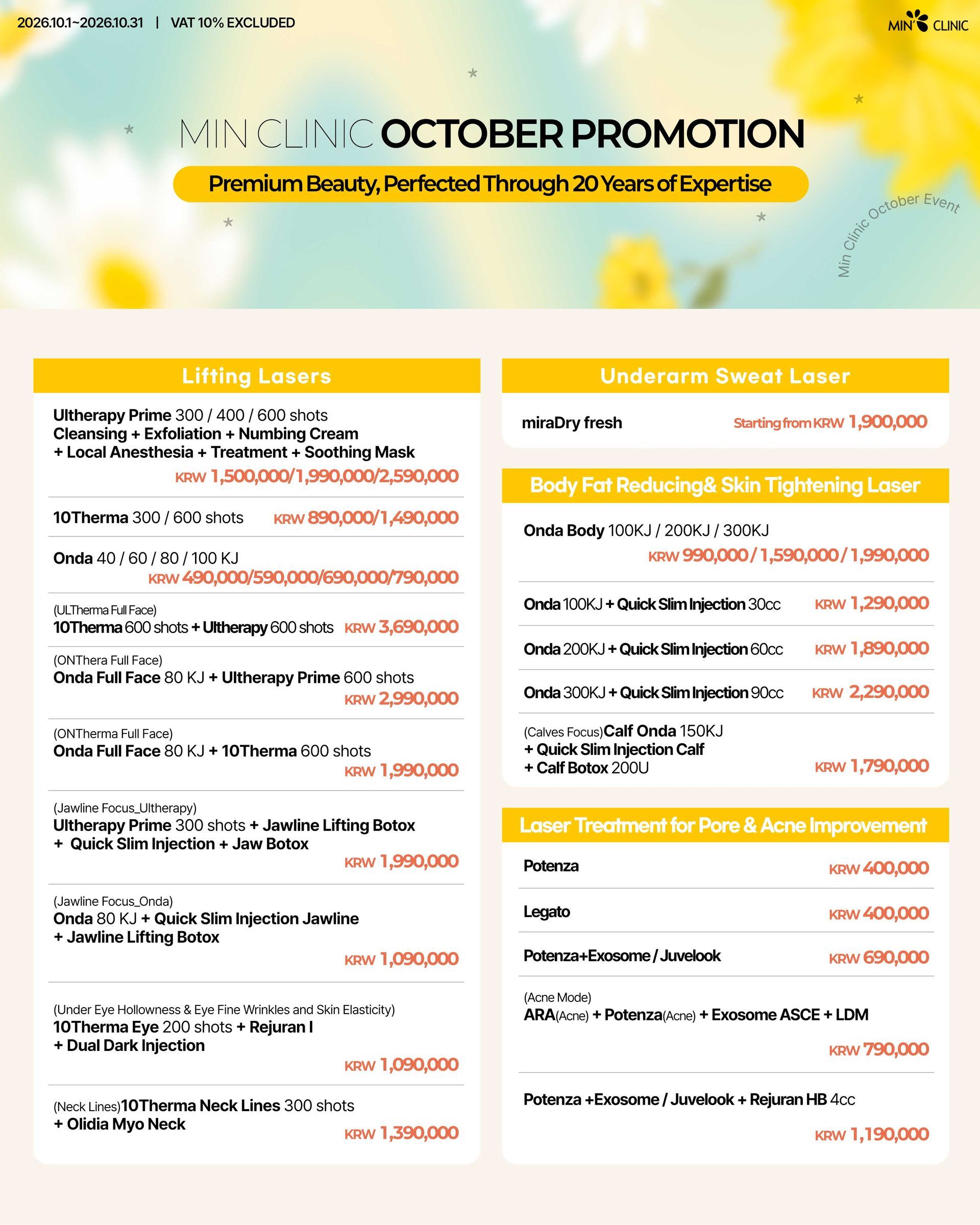
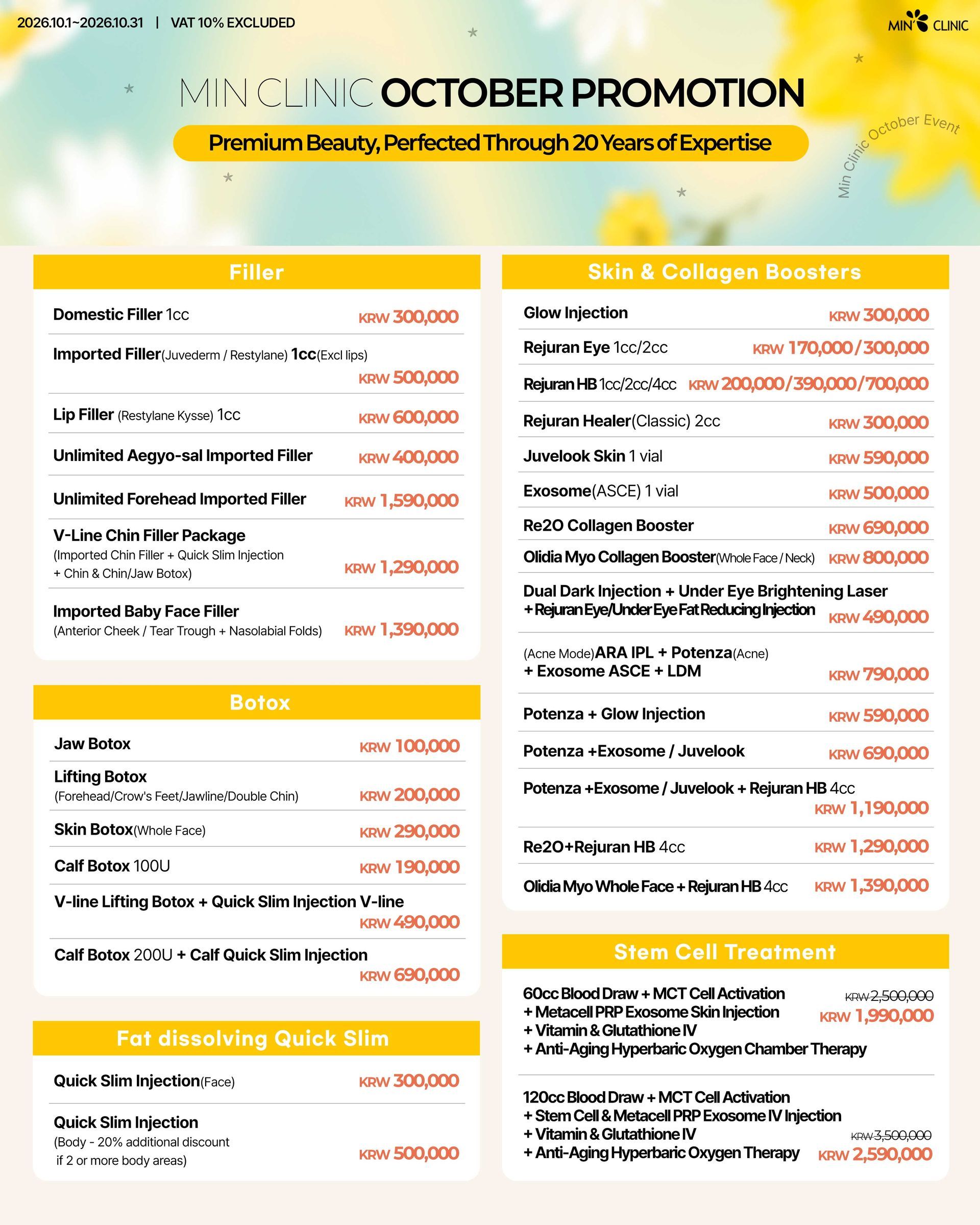
At MIN Clinic, Rejuran Healer typically costs KRW 300,000 to KRW 700,000 per session, Juvelook KRW 500,000 to KRW 1,200,000, PRP KRW 300,000 to KRW 800,000 and exosome KRW 400,000 to KRW 900,000. Course packages may offer better value; see our event price list.
9. Frequently asked questions
What if I miss a session? Simply resume when you can; your doctor may adjust the remaining course.
Can I switch boosters during a course? Sometimes, but it is best to discuss it with your doctor first.
Do results disappear immediately if I stop? No. They fade gradually as the skin ages.
Conclusion
Most boosters work best as a course of two to four sessions, spaced two to four weeks apart, followed by maintenance every few months. Planning sessions around your travel helps you keep results steady. Message our English-speaking team on WhatsApp to plan your schedule, or explore our skin boosters.
This article is for general information and does not replace medical advice. Results vary by individual, and a doctor's consultation is required before any treatment.