
Juvelook vs Traditional Skin Boosters: Key Differences

Skin boosters have become a standard part of Korean skincare in clinics, but not all boosters work the same way. Some mainly hydrate, some support repair, and some stimulate collagen. Juvelook is often described as a next-generation booster because it combines hydration with collagen stimulation in a single treatment.
This guide explains how traditional skin boosters work, what Juvelook does differently, how they compare in speed, longevity and downtime, and how to decide which suits your skin.
1. What traditional skin boosters do
Traditional skin boosters mainly use non-crosslinked or lightly crosslinked hyaluronic acid (HA). HA attracts and holds water, so the skin looks hydrated, plump and glowing soon after treatment. Because the effect relies largely on hydration, results appear quickly but are usually shorter-lived than treatments that build structure.
These boosters are popular before events, for dehydrated skin and for people who want a quick improvement in glow with minimal downtime.
2. What Juvelook does differently
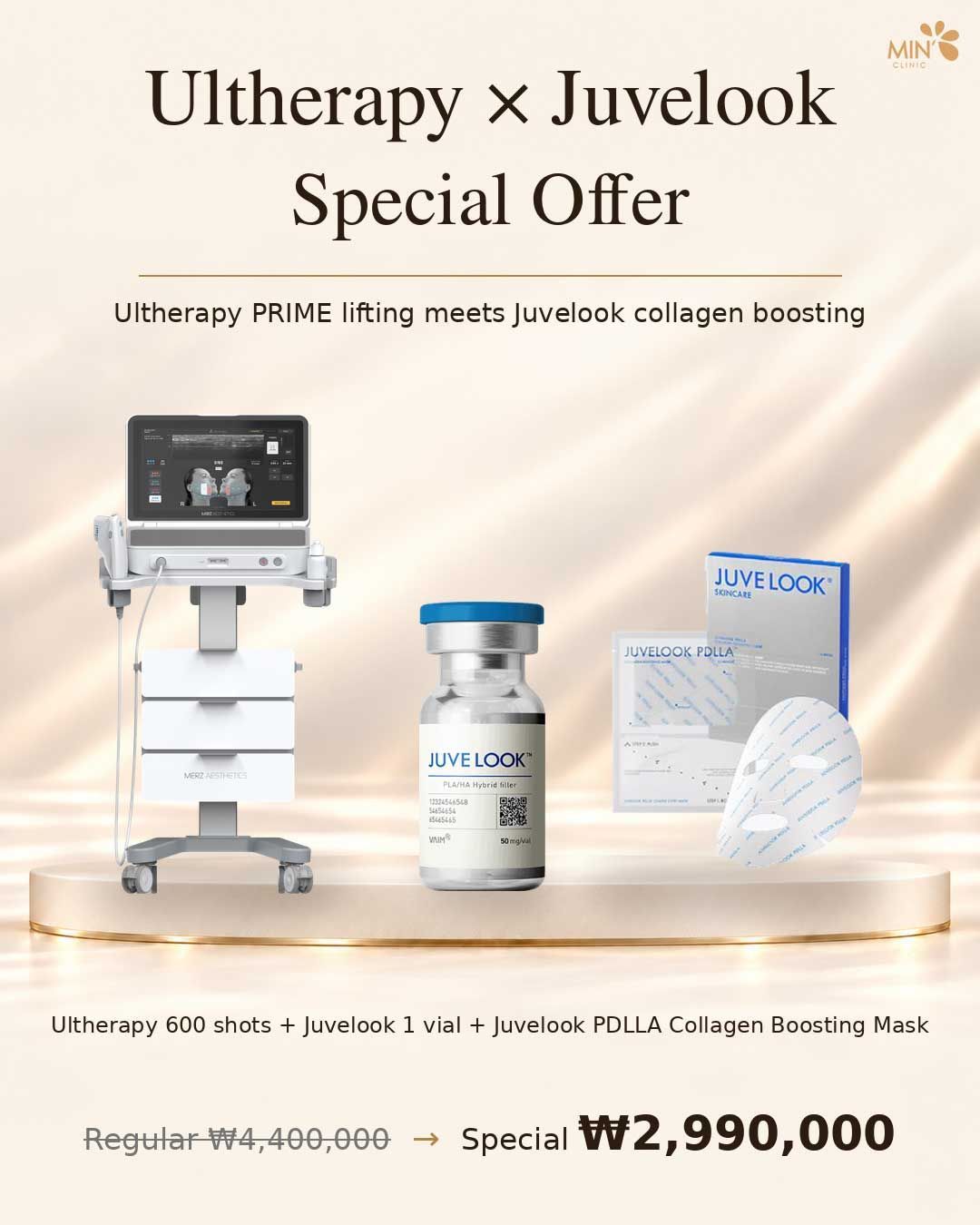
Juvelook combines hyaluronic acid with PDLLA, a biostimulator. The HA gives early hydration, while the PDLLA triggers the skin to produce new collagen over several weeks. This means Juvelook improves the skin's structure — its thickness and firmness — as well as its hydration.
Because of this, Juvelook is often chosen for concerns that hydration alone cannot fix, such as fine lines, crepey skin and shallow scars.
3. Key differences
Mechanism: traditional boosters hydrate; Juvelook hydrates and stimulates collagen.
Speed: traditional boosters show results quickly; Juvelook builds gradually over weeks.
Longevity: Juvelook results can last longer because they rely on newly formed collagen.
Best for: traditional boosters suit dehydration and dullness; Juvelook suits fine lines, thin or crepey skin and shallow scars.
4. Downtime compared
Traditional HA boosters usually leave small bumps that fade within about a day. Juvelook bumps may last about two to three days. Both can cause mild redness or small bruises, especially in areas with thin skin. In both cases, most people can return to normal activities straight away.
5. Sessions compared
Skin boosters in general are usually recommended as a series of two to three sessions, with results lasting around six to twelve months after a full course. Biostimulating products such as Juvelook can maintain improvement for longer, and collagen stimulators in general can last up to around two years, depending on the product and your skin.
6. Where Rejuran fits in
Rejuran Healer is a third category. It uses polynucleotides (PN) to support repair and elasticity rather than mainly hydrating or building collagen. Many patients use Rejuran for overall skin health and barrier strength, and Juvelook for collagen and fine lines. Some plans alternate the two.
7. How to choose
If your skin feels dry and dull but is otherwise firm, a traditional HA booster may be all you need. If your skin has started to look thinner, show fine lines or crepiness, or has shallow scars, Juvelook is likely to give a more meaningful change. If your skin is sensitive, damaged or recovering from procedures, Rejuran is often the best starting point.
8. Combining boosters with lifting
Boosters improve skin quality but do not lift sagging tissue. If laxity is part of your concern, combining a booster with Ultherapy or 10THERMA gives both lift and healthier skin.
9. Cost
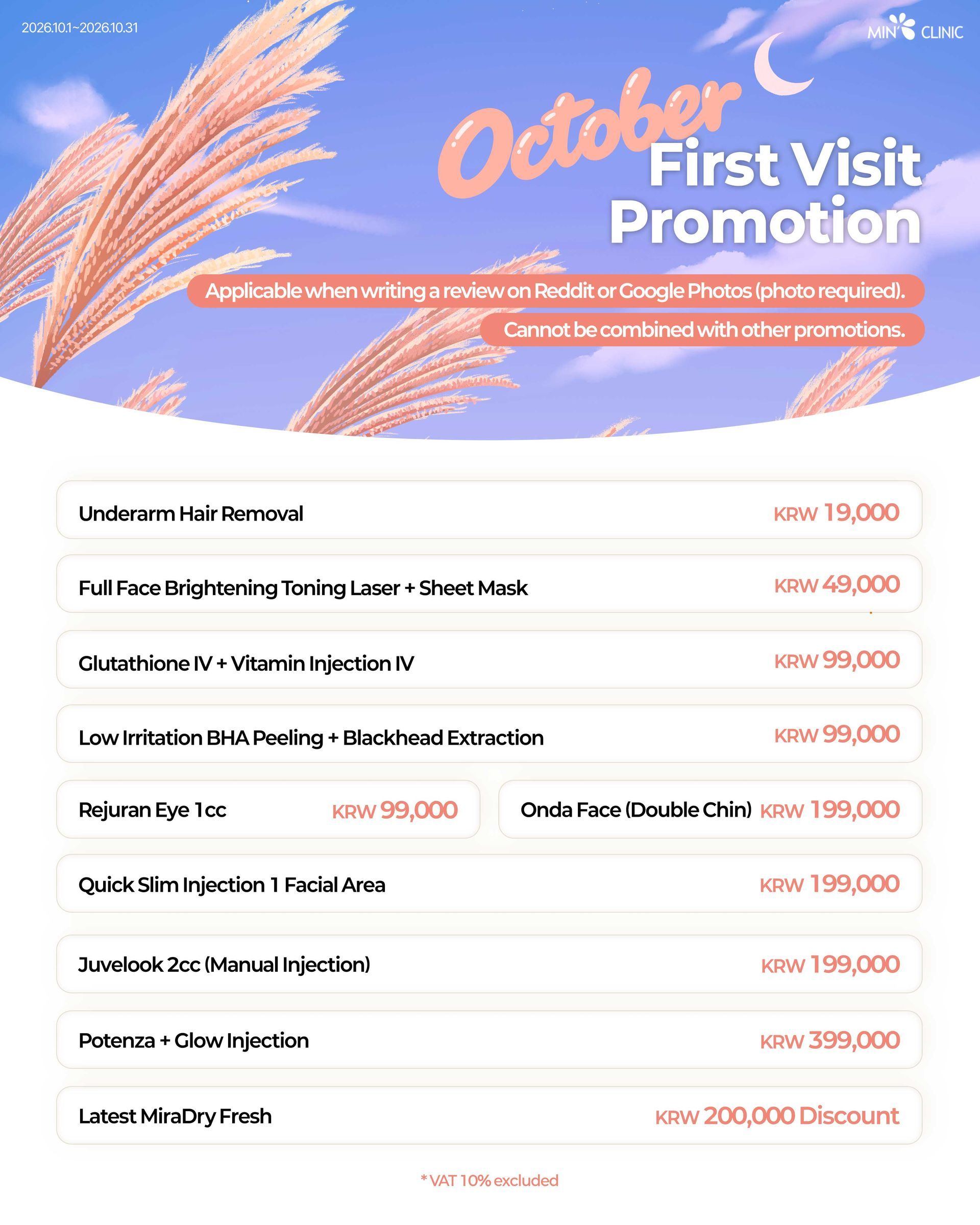
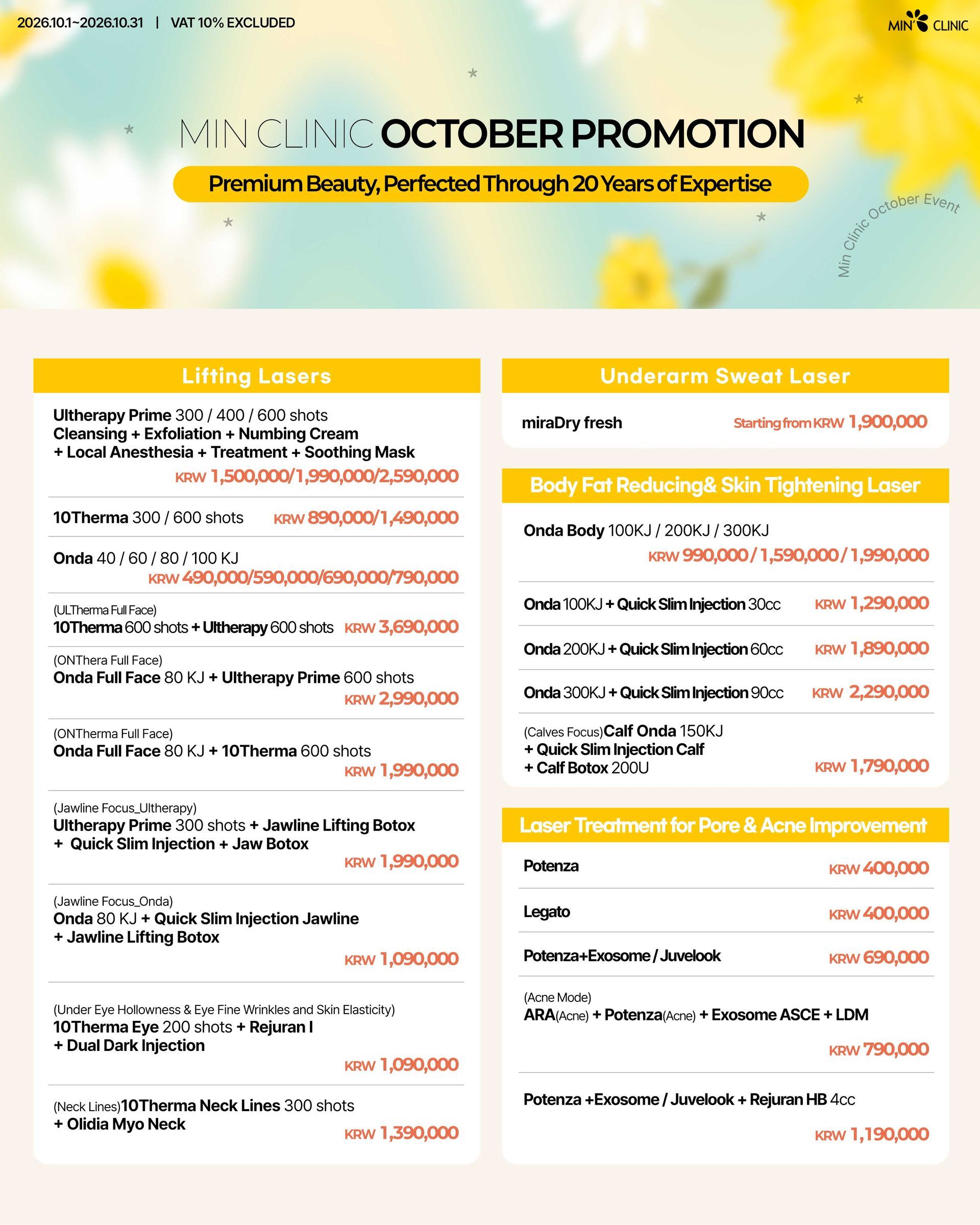
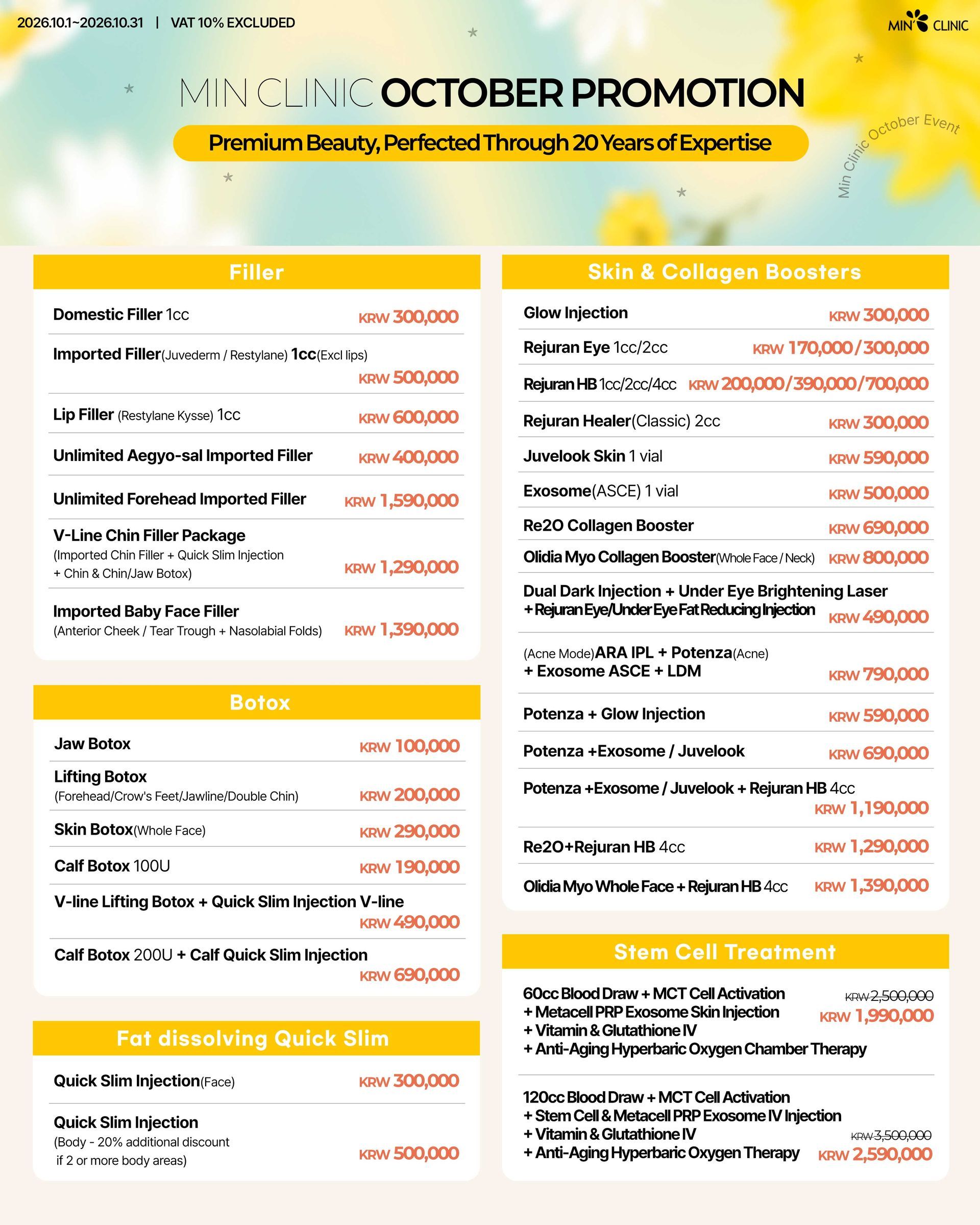
At MIN Clinic, Juvelook typically costs around KRW 500,000 to KRW 1,200,000, and Rejuran Healer around KRW 300,000 to KRW 700,000 per session. See our event price list for current offers.
10. Planning as a visitor
Because boosters work best as a course, plan your first session early in your trip and discuss with your doctor how to continue the course on future visits.
Conclusion
Traditional boosters are best for quick hydration and glow, while Juvelook adds collagen stimulation for firmer skin, softer fine lines and smoother scars over time. Many people use more than one type of booster as their skin changes. Send your photos to our English-speaking team on WhatsApp, or explore our skin boosters and Juvelook pages.
This article is for general information and does not replace medical advice. Results vary by individual, and a doctor's consultation is required before any treatment.