
Ultherapy in Gangnam Seoul: Cost, Results, Pain, and Recovery Guide
Ultherapy is one of the most requested non-surgical lifting treatments in Gangnam, and many international visitors plan it around a short trip to Seoul. Because the treatment has no incision and almost no downtime, it fits easily into a travel itinerary. Still, it helps to know what you are paying for, how it will feel and when you will actually see results. This guide covers cost, results, pain and recovery so you can decide whether Ultherapy suits your goals before you book.
1. What is Ultherapy and how does it work?
Ultherapy uses micro-focused ultrasound with visualisation (MFU-V) to deliver heat to precise depths beneath the skin, including the SMAS layer — the same supportive layer a surgeon tightens during a facelift. The heated points trigger the body's wound-healing response, which gradually produces new collagen and elastin. The result is a firmer, lifted look that develops over several weeks rather than overnight.
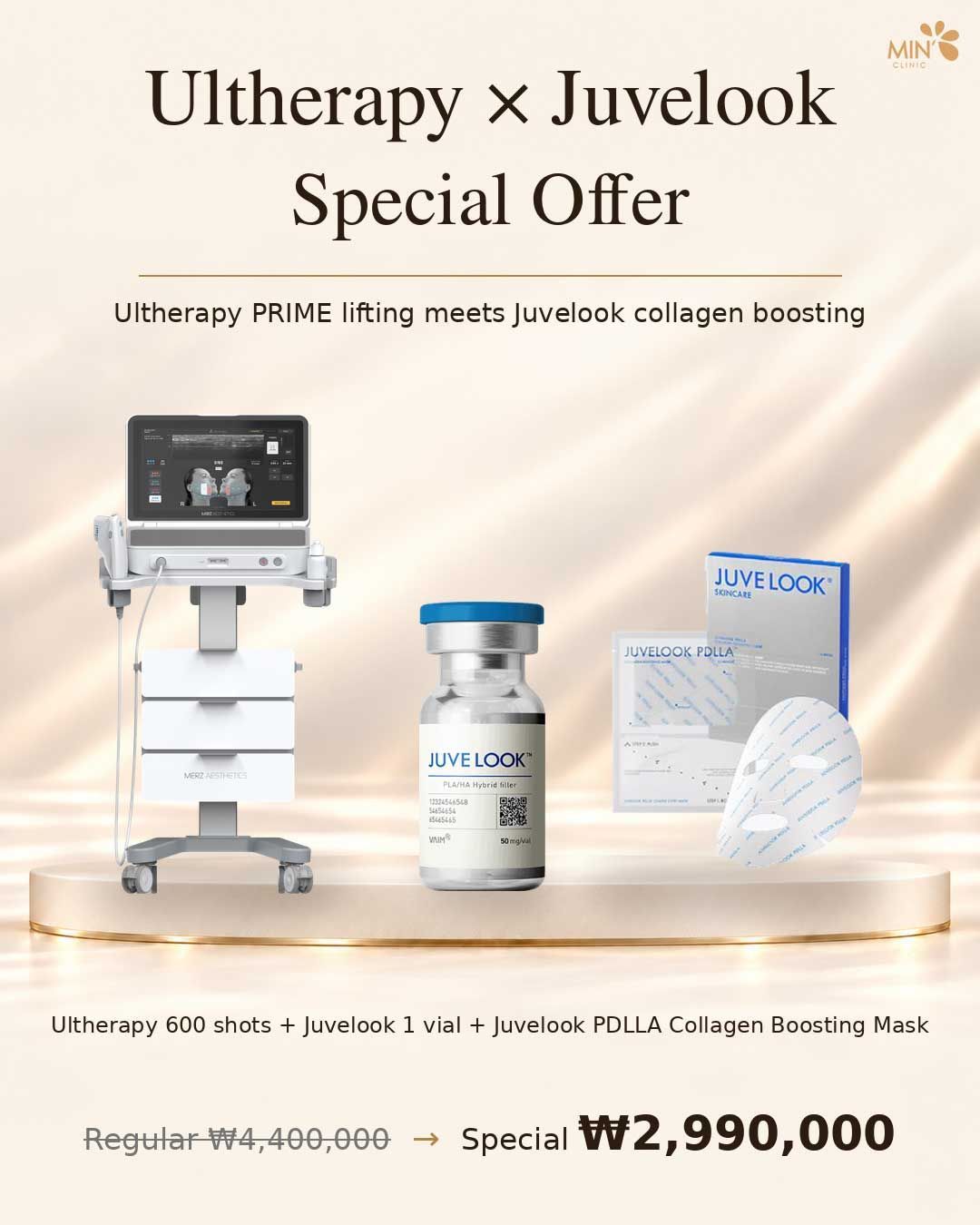
What sets genuine Ultherapy apart from generic HIFU devices is real-time imaging. The doctor can see the skin layers on screen and place each line of energy at the right depth for your skin thickness. This matters for both safety and results, especially on thinner areas such as the brow and around the eyes.
2. Who is a good candidate?
Ultherapy works best for people with mild to moderate skin laxity — often in their 30s to 60s — who want a natural lift without surgery. Common concerns include a heavy brow, softening jawline, early jowls and loose skin under the chin or on the neck.
It is less suitable if you have significant excess skin, where a thread lift or surgical option may give a more visible change, or if your main concern is surface texture and pores, where RF microneedling such as Potenza is usually a better fit. Ultherapy is not performed during pregnancy or over active infections, open wounds or metal implants in the treatment area. A doctor's consultation is always needed to confirm suitability.
3. How much does Ultherapy cost in Seoul?
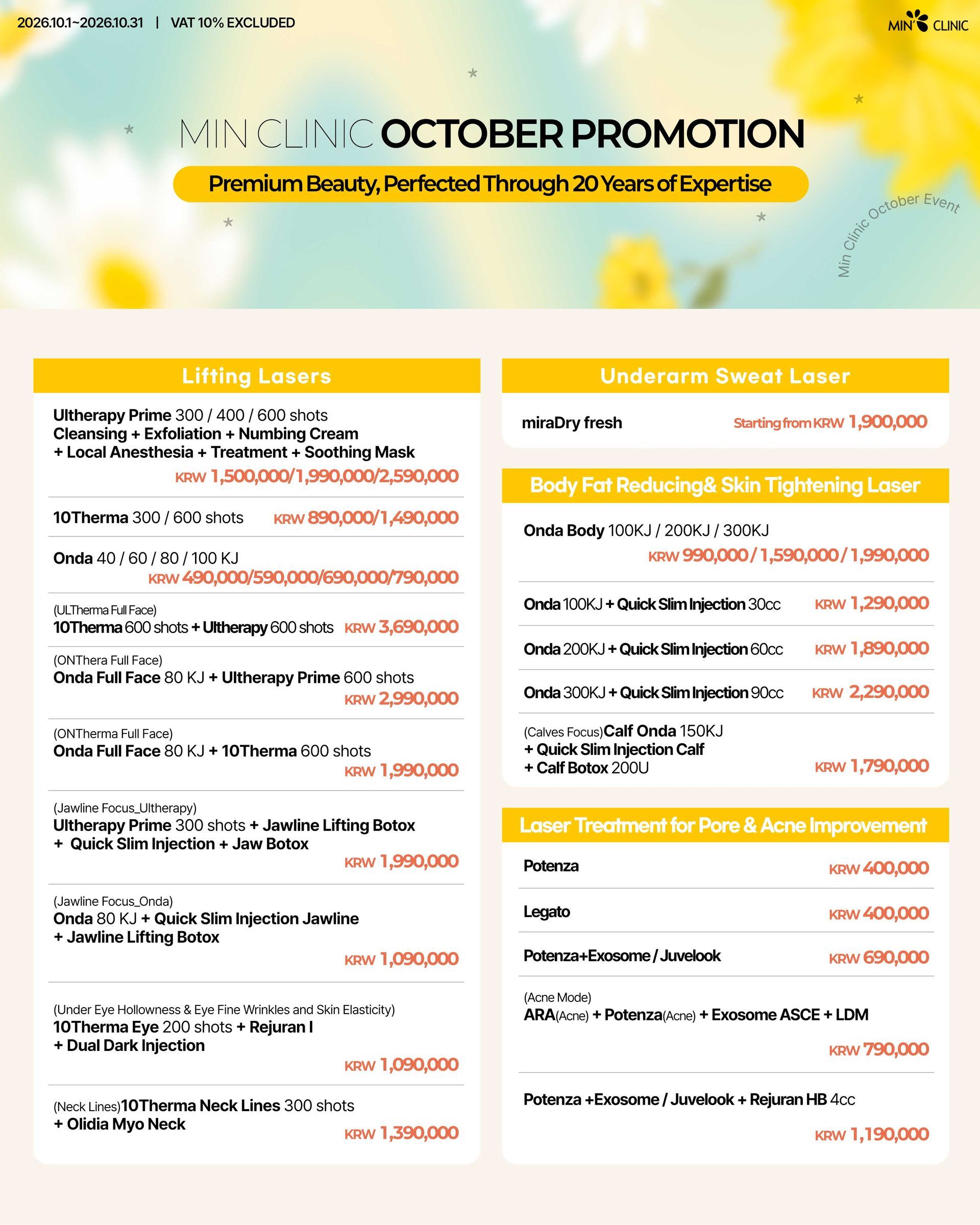
In Seoul, Ultherapy typically costs around KRW 1,500,000 to KRW 3,500,000 per session. The final price depends on which areas are treated and how many lines (shots) are needed — a full face and neck plan costs more than a focused jawline or brow treatment. Prices are quoted before VAT, and foreign-passport holders may be eligible for a tax refund on eligible cosmetic treatments.
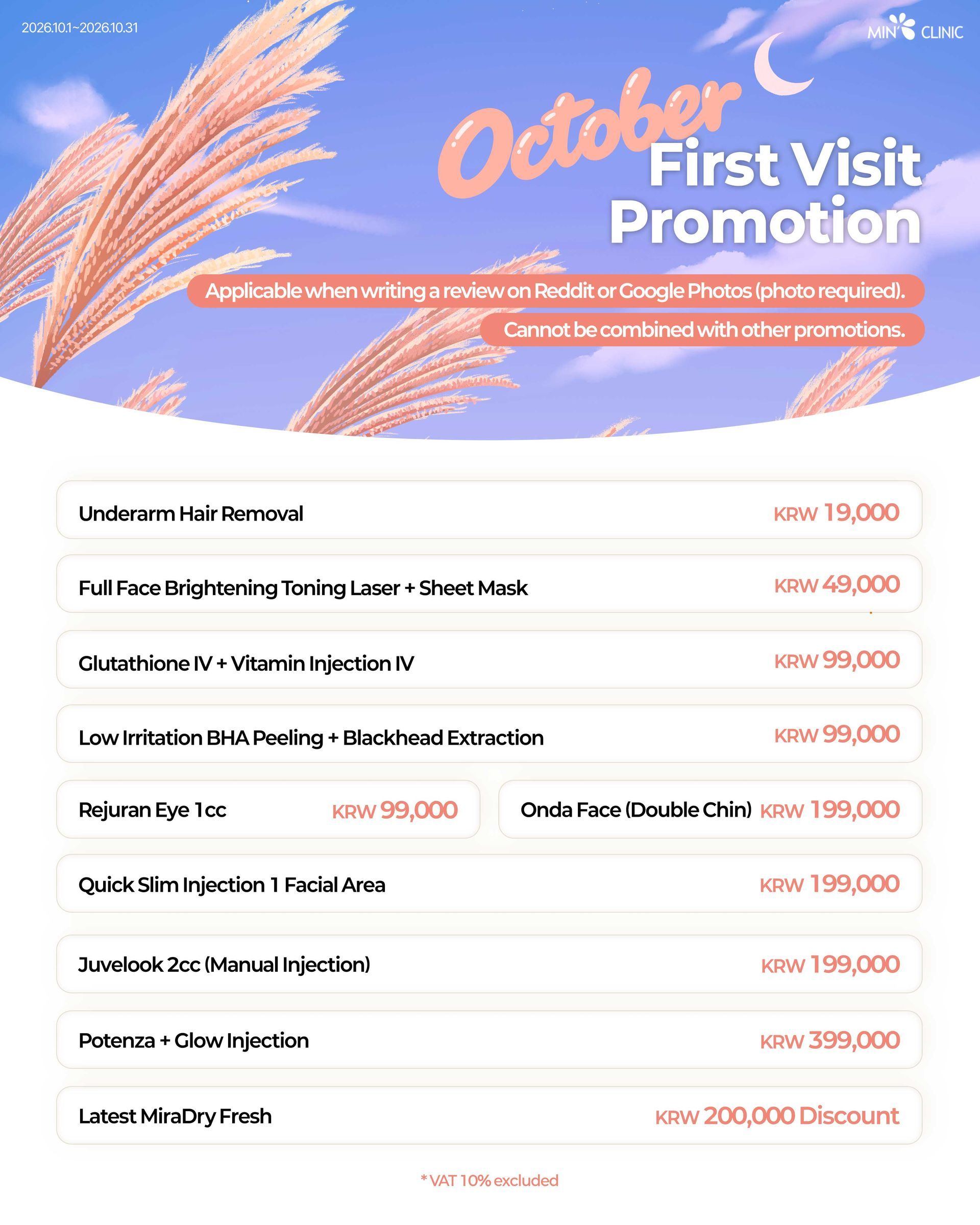
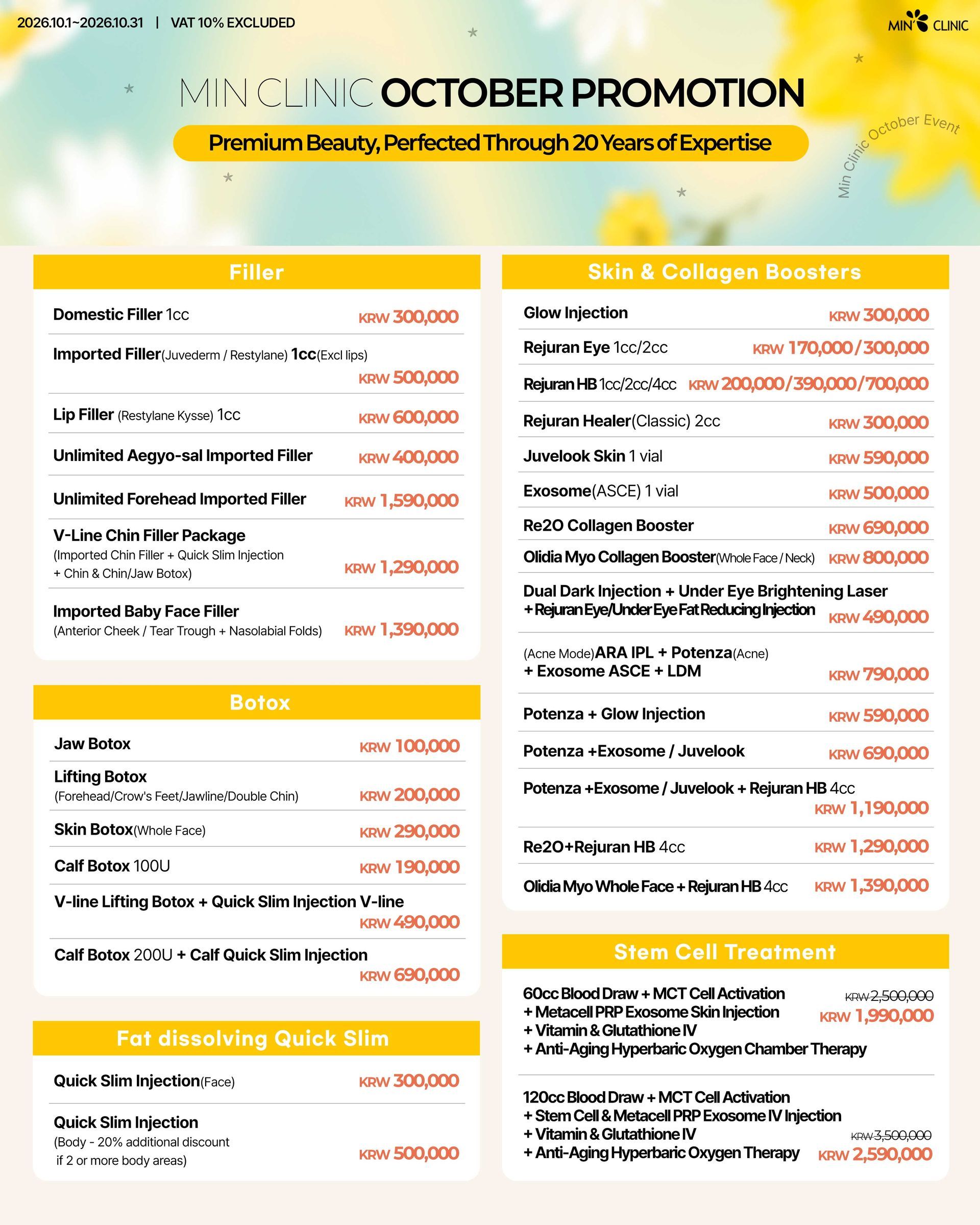
When comparing prices, check whether a quote is for genuine Ultherapy or Ulthera Prime rather than a generic HIFU device, how many lines are included, and whether the treatment is performed by a physician. A lower headline price can mean fewer lines or a different device. At MIN Clinic, the exact price is confirmed in writing at consultation, and seasonal offers are listed on our event price list.
4. Does Ultherapy hurt?
Most people describe the sensation as deep warmth with short bursts of tingling or prickling as each line is delivered. It tends to feel stronger over bony areas such as the jawline and forehead, and milder over the cheeks. Sensitivity varies a lot from person to person.
To keep you comfortable, numbing cream is applied before treatment, and the doctor can adjust the energy level during the session. Many patients find the discomfort manageable because each pulse lasts only a moment. If you are anxious about pain, mention it at consultation so the plan can be adapted.
5. What happens during the treatment?
A typical visit begins with a consultation and skin assessment, followed by mapping of the treatment areas. After numbing cream has taken effect, the doctor applies gel and moves the handpiece across each zone, checking the image on screen before delivering energy. The treatment itself usually takes 60 to 90 minutes, depending on the areas. Most international guests complete the entire visit in about half a day.
6. Results: when will you see a difference?
Some people notice a slight firmness straight away, but the real change comes from new collagen. A subtle lift usually appears from about 2 to 4 weeks, with the peak result at around 2 to 3 months. Results typically last about 12 months, and many patients choose a yearly maintenance session. How long your result lasts depends on age, skin quality, sun exposure and lifestyle.
Ultherapy can also be combined with other treatments for a more complete result — for example skin boosters such as Juvelook or Rejuran Healer for skin quality, or ONDA lifting for a fuller lower face. Your doctor will suggest whether a combination makes sense for you.
7. Recovery and aftercare
There is no wound, bandage or recovery period in the usual sense. Mild redness can last a few hours, and some people have slight swelling or tenderness along the jaw for a few days. Most patients return to sightseeing or work the same day and can wear make-up the following day.
For the first few days, it helps to avoid saunas, very hot baths, intense exercise and alcohol, and to use gentle skincare and daily sunscreen. Tell your clinic straight away if you notice anything unusual, such as persistent numbness or bruising.
8. Can you fly home after Ultherapy?
Yes. Because Ultherapy leaves no open wound, most international patients fly home within a day or two of treatment. If you are planning other treatments on the same trip, such as injectables or lasers, ask the clinic to schedule them in an order that keeps recovery simple before your flight.
9. Ultherapy vs other lifting options
Ultherapy targets the deep structural layers for lifting the brow, jaw and neck. Ulthera Prime uses the same technology on a newer platform with improved visualisation. RF treatments such as 10THERMA heat the dermis more broadly for overall tightening and texture, ONDA targets the fat layer for contouring a fuller lower face, and a thread lift mechanically repositions heavier tissue for a more immediate change. Many patients benefit from one treatment alone; others get better results from a tailored combination.
Conclusion
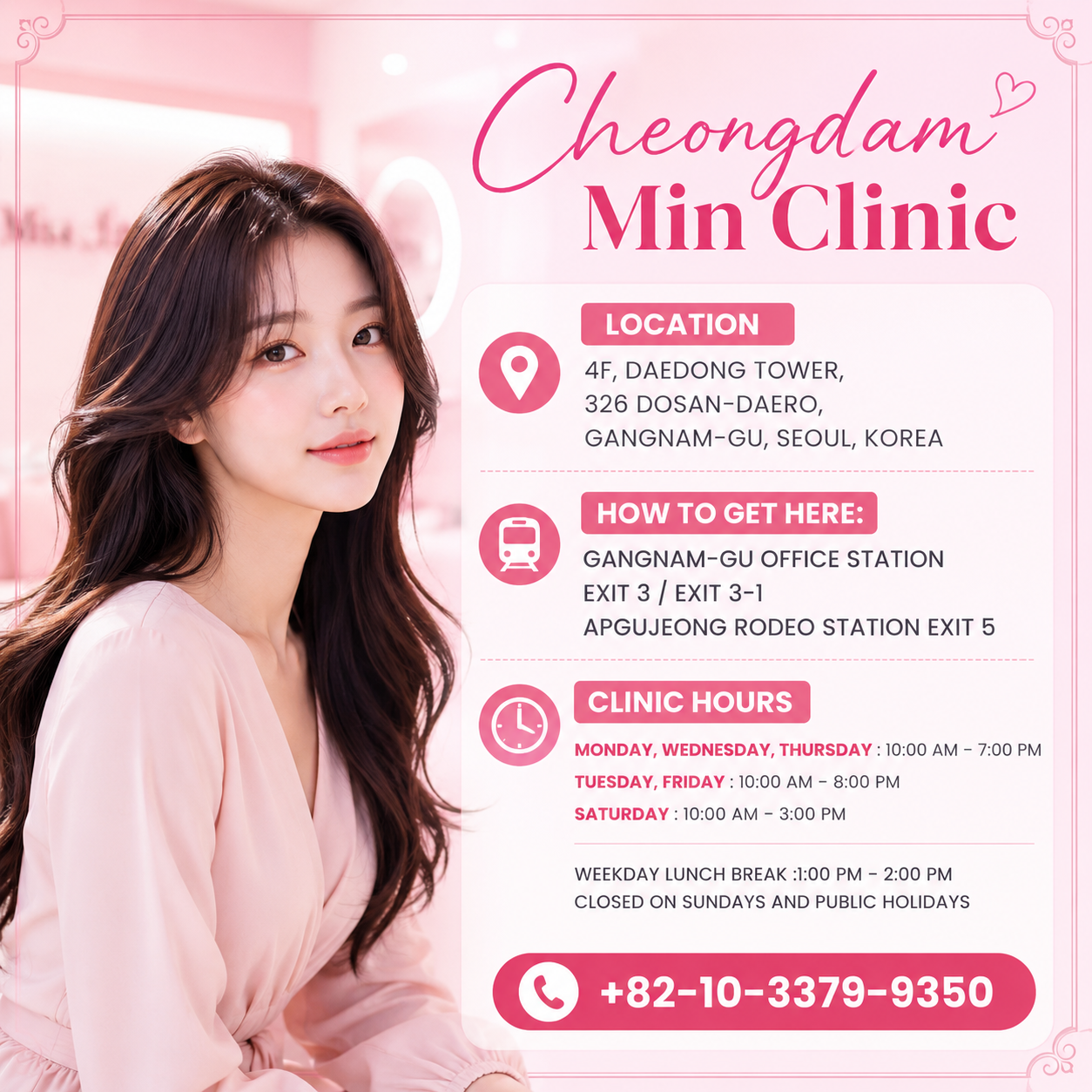
Ultherapy is a well-established way to lift and firm the face without surgery, and it suits short trips to Seoul thanks to minimal downtime. Expect warmth and tingling during treatment, gradual improvement over 2 to 3 months and results that usually last around a year. To get an accurate plan and price, start with a consultation — our English-speaking team at MIN Clinic in Cheongdam, Gangnam can review your photos on WhatsApp before you arrive. Learn more on our Ultherapy in Gangnam page.
This article is for general information and does not replace medical advice. Results vary by individual, and a doctor's consultation is required before any treatment.