
PRP vs Rejuran: Which Is Better for Skin Regeneration?
PRP and Rejuran are both regenerating treatments that improve the skin from within rather than filling it. Both are popular in Gangnam, both work best as a short course and both give natural-looking results. Many visitors ask which one is better for skin regeneration. The answer depends on your skin, your preferences and your goals.
This guide compares their ingredients, how they work, results, downtime, sessions and cost, and explains who suits which treatment and when using both makes sense.
1. How PRP works
PRP, or platelet-rich plasma, is made from your own blood. A small sample is centrifuged to concentrate the platelets, which contain growth factors involved in healing and collagen production. The PRP is then injected into the skin or delivered with microneedling.
Because it is entirely autologous, PRP appeals to people who prefer natural treatments without added products. The concentration and quality of PRP can vary from person to person.
2. How Rejuran works
Rejuran Healer uses polynucleotides (PN), purified DNA fragments derived from salmon. PN supports the skin's repair processes, improving elasticity, hydration and texture. It is a standardised product, so each treatment delivers a consistent formulation, which some patients and doctors prefer for predictability.
3. Results compared
PRP improves glow, texture and fine lines gradually over two to three sessions. Because results depend partly on your own platelets, the degree of improvement can vary between individuals.
Rejuran improves elasticity, texture and skin strength over three to four sessions, often with consistent, predictable results, and is particularly good for thin or damaged skin.
4. Downtime compared
PRP may leave redness and small bumps for about one to three days, especially when combined with microneedling. Rejuran leaves small bumps that usually settle within one to two days. Both can cause small bruises. In both cases, most people return to normal activities the same day.
5. Comfort compared
PRP involves a blood draw plus injections or microneedling. Rejuran involves multiple small injections and can sting because of its texture. Both use numbing cream, and both are generally well tolerated.
6. Who suits which?
PRP may suit you if you prefer an autologous treatment, have sensitivities to certain products, or want to combine regeneration with microneedling for texture.
Rejuran may suit you if you want a predictable, standardised booster for thin, dull or damaged skin, or if you want to improve elasticity around the eyes or cheeks.
People with a fish allergy should avoid Rejuran, while people with certain blood conditions or on certain medications may not be suited to PRP.
7. Cost in Seoul
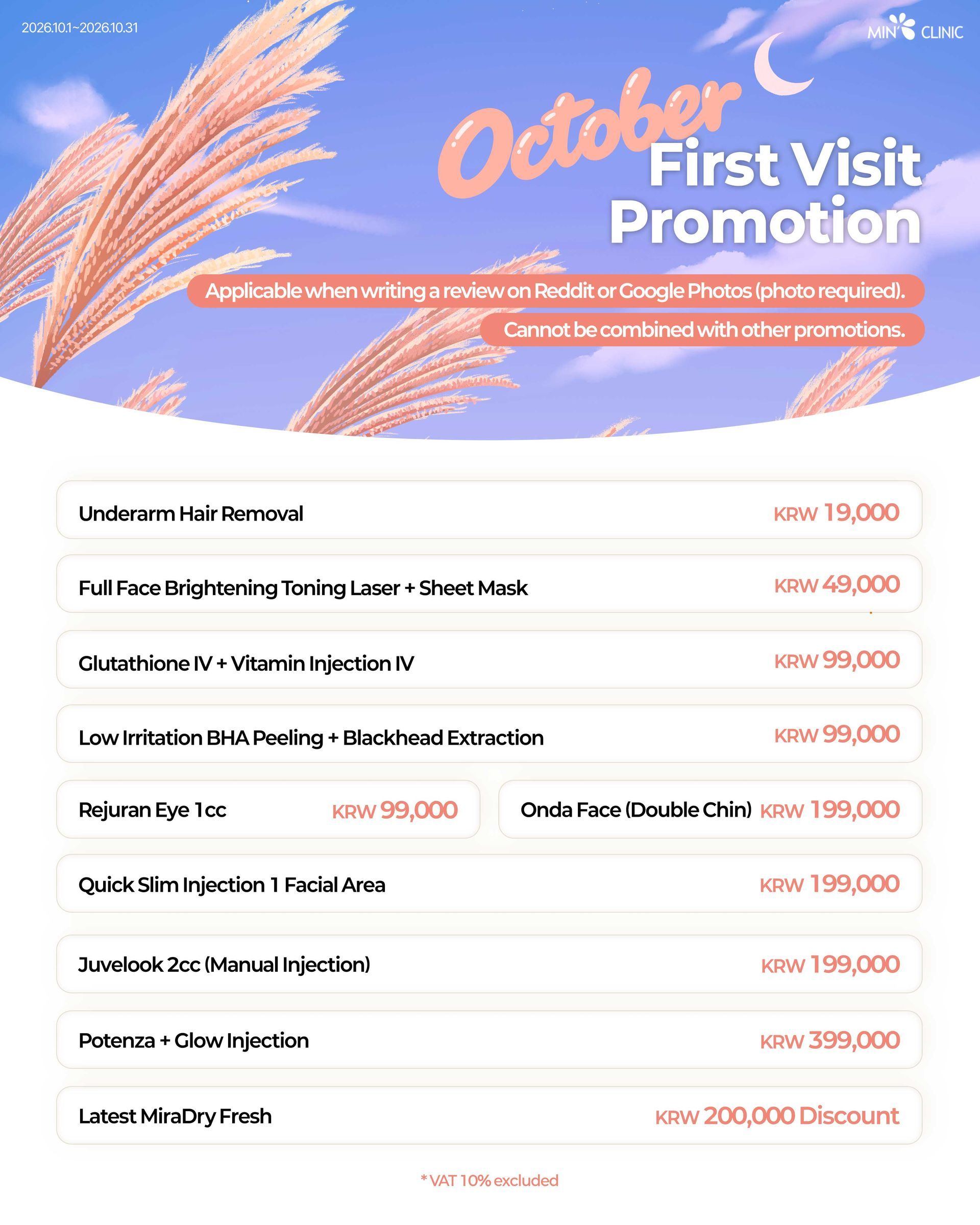
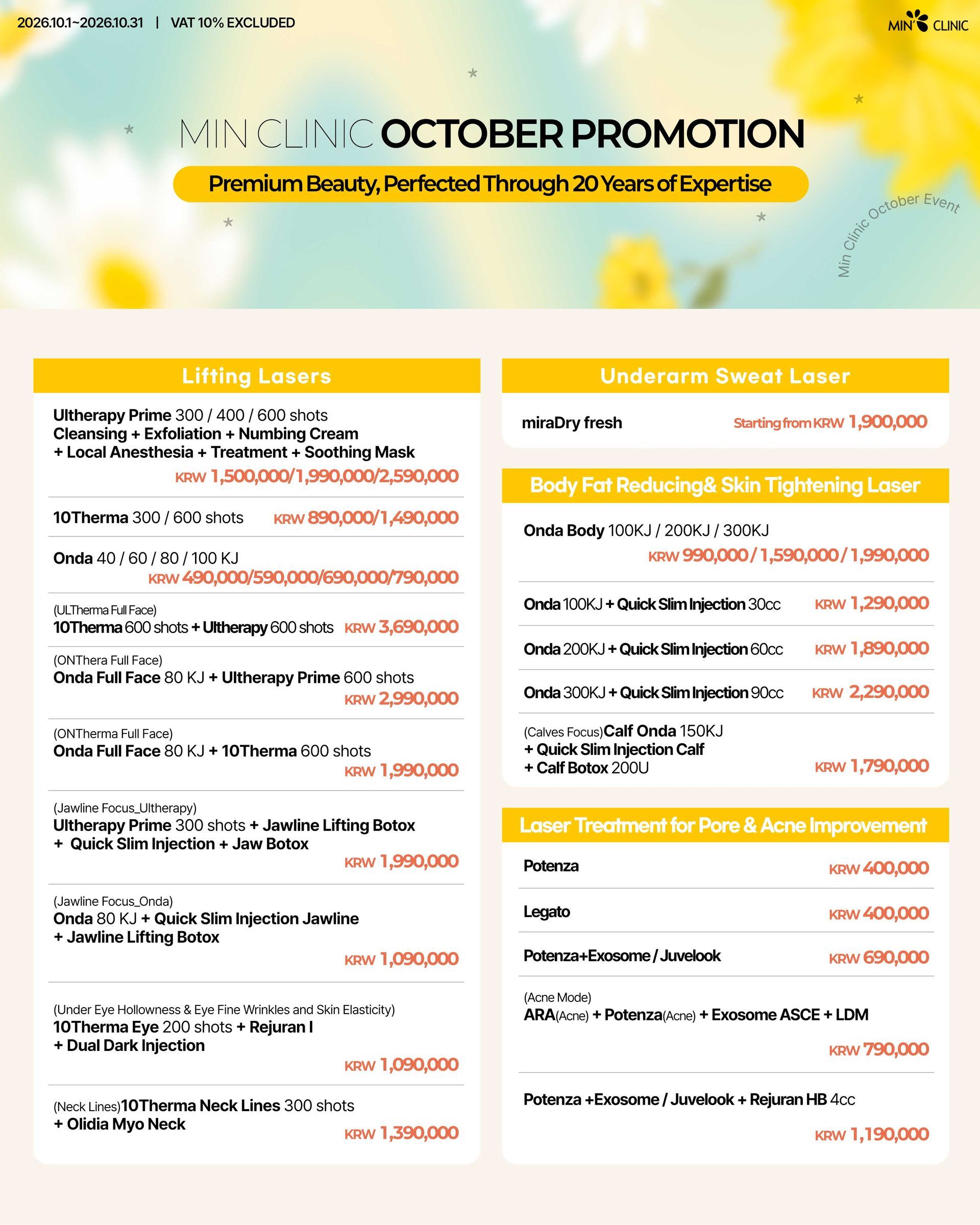
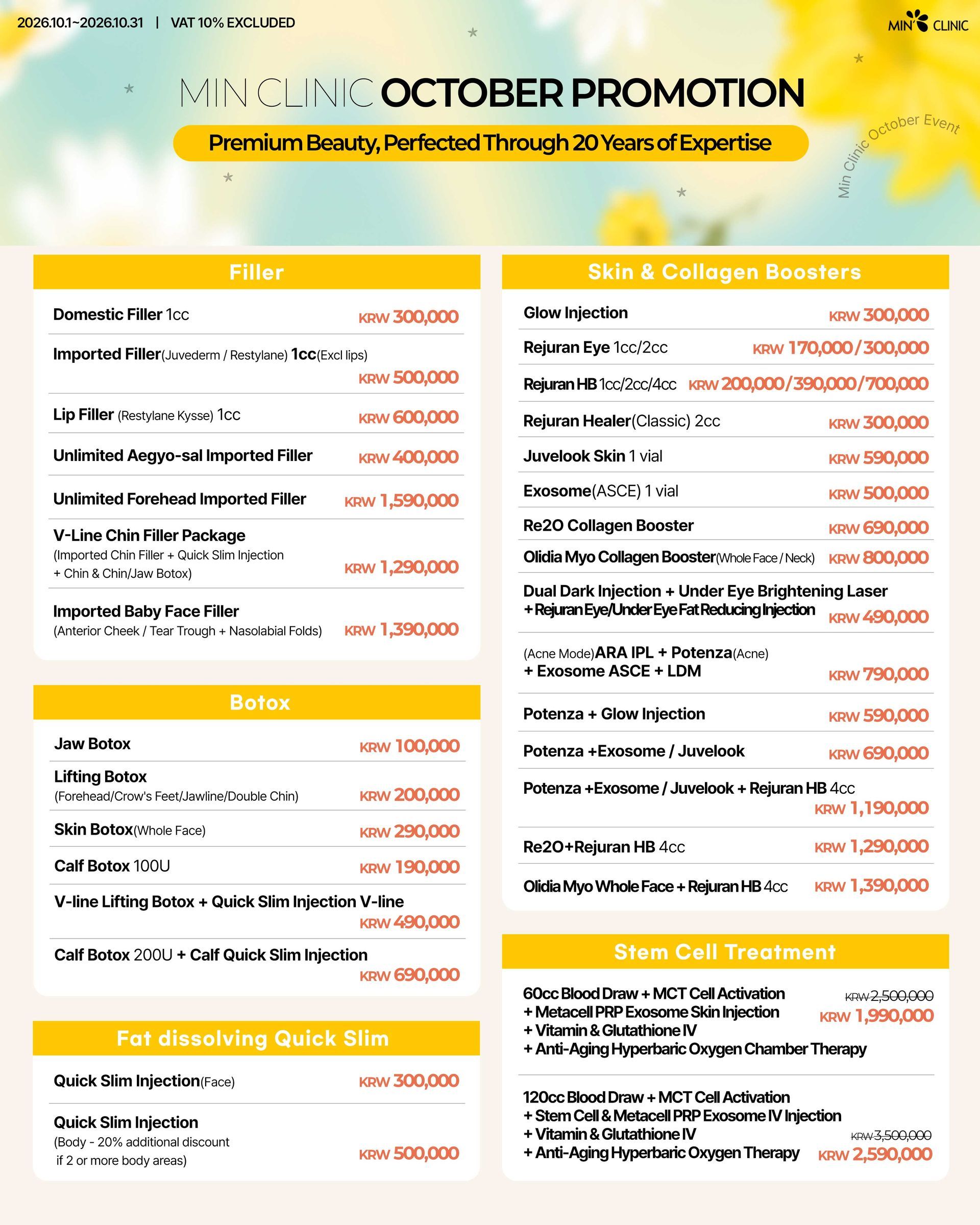
At MIN Clinic, PRP typically costs around KRW 300,000 to KRW 800,000 per session, and Rejuran Healer around KRW 300,000 to KRW 700,000 per session. See our event price list for current offers.
8. Can you combine them?
Yes. Some plans alternate PRP and Rejuran across sessions, or use them in different areas — for example, PRP with microneedling for texture and Rejuran for the cheeks or under-eyes. Your doctor will space treatments so your skin has time to respond.
9. Combining with lifting and lasers
Both treatments pair well with lifting such as Ultherapy or 10THERMA, and with laser treatments for pigmentation. Regenerating treatments help the skin recover and improve its quality, while lifting and lasers address structure and colour.
10. Frequently asked questions
Which works faster? Both build gradually; many people notice improved glow within a few weeks with either.
Which lasts longer? After a full course, both typically maintain improvement for several months, with periodic maintenance recommended.
Can I do one session only? You will see some benefit, but both work best as a course.
Conclusion
PRP and Rejuran both regenerate the skin; PRP uses your own platelets, while Rejuran offers a consistent PN formulation for elasticity and texture. The better choice depends on your skin and preferences, and many people benefit from both. Send your photos to our English-speaking team on WhatsApp, or compare our PRP and Rejuran Healer pages.
This article is for general information and does not replace medical advice. Results vary by individual, and a doctor's consultation is required before any treatment.