
RF Lifting vs HIFU: Which Treatment Is Better for Aging Skin?
Radiofrequency (RF) and high-intensity focused ultrasound (HIFU) are the two main energy families behind non-surgical lifting. Device names change from year to year, but almost every lifting treatment in Gangnam belongs to one of these groups. Knowing how they differ helps you understand any treatment plan a doctor suggests and avoid paying for a treatment that does not match your skin.
This guide compares how RF and HIFU work, which signs of aging each treats best, comfort, downtime and typical costs in Seoul, and explains why many plans for aging skin use both.
1. How aging affects the skin
Aging changes every layer of the face at once. The deep supportive layer loosens and descends, fat pads shift, the skin becomes thinner and drier, and texture changes with fine lines and enlarged pores. A single treatment rarely addresses all of these, which is why understanding the target layer matters.
2. How HIFU works
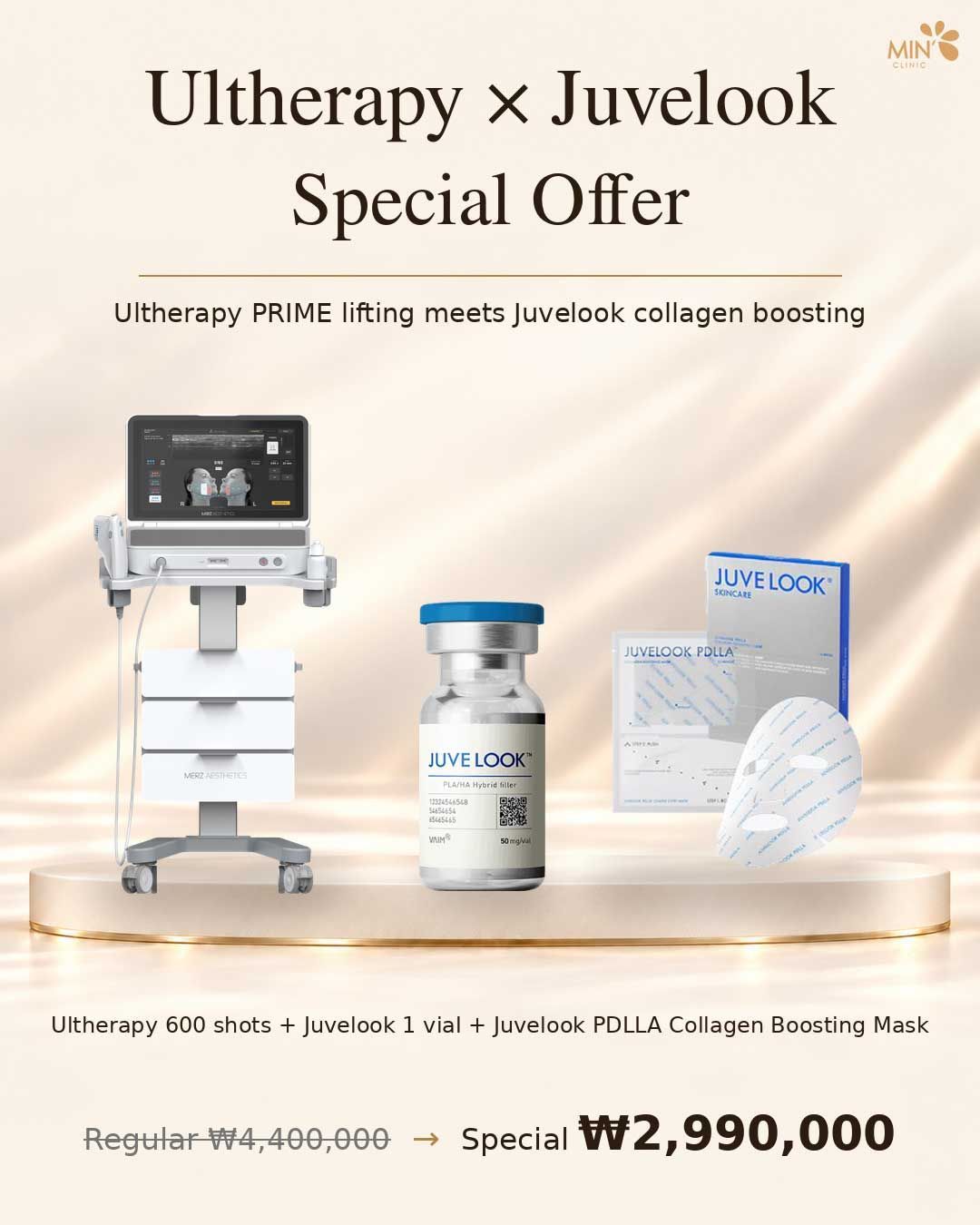
HIFU focuses ultrasound energy into small heat points at specific depths below the skin. The most advanced versions, such as Ultherapy and Ulthera Prime, use real-time imaging so the doctor can see the layers and target the SMAS — the deep supportive layer tightened during a surgical facelift. Heat triggers new collagen, and the tissue lifts gradually over two to three months.
3. How RF works
RF devices heat tissue using electrical energy. Monopolar RF, such as 10THERMA, spreads heat broadly through the dermis and the tissue beneath it, contracting existing collagen and stimulating new collagen. Some RF devices are combined with microneedles, such as Potenza, which deliver energy directly into the skin to improve texture, pores and scars as well as firmness.
4. The simple difference
HIFU works in focused points at deep, precise depths — best for structural lift.
RF works across a broader volume of tissue closer to the surface — best for tightening, texture and skin quality.
Think of HIFU as lifting the foundation and RF as tightening the surface fabric.
5. Which is better for which sign of aging?
Early jowls and a softer jawline: HIFU usually gives the clearer lift.
Drooping brow or loose skin under the chin: HIFU is often the first choice.
Crepey, thin or loose skin with fine lines: RF tends to perform better.
Slim faces at risk of looking hollow: RF is often gentler on volume.
Enlarged pores, scars and uneven texture: microneedling RF is the more suitable tool.
6. Results and longevity
Both build gradually as collagen remodels, with a peak around two to three months. At MIN Clinic, Ultherapy results typically last about a year, while Ulthera Prime and 10THERMA results typically last around 12 to 18 months. Microneedling RF such as Potenza usually needs two to four sessions for the full effect. Daily sunscreen, stable weight and healthy habits help results last longer with either technology.
7. Comfort and downtime
HIFU produces deep warmth and brief prickling, especially over bone, so numbing cream is applied. RF produces a hot surface sensation, usually with cooling between pulses. Neither has significant downtime: mild redness or tenderness usually settles quickly, and most people return to sightseeing the same day. Microneedling RF typically leaves one to three days of redness.
8. Cost in Seoul
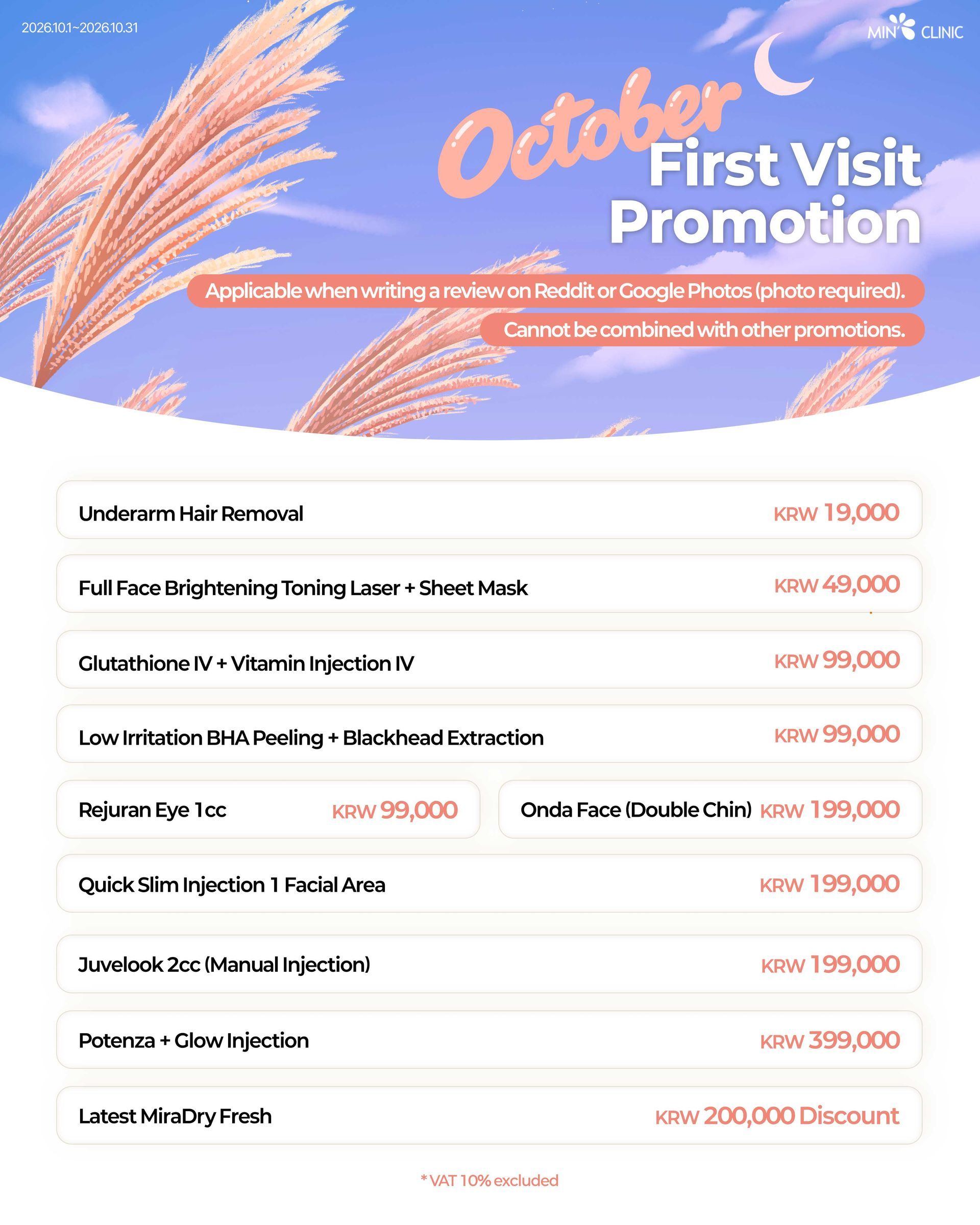
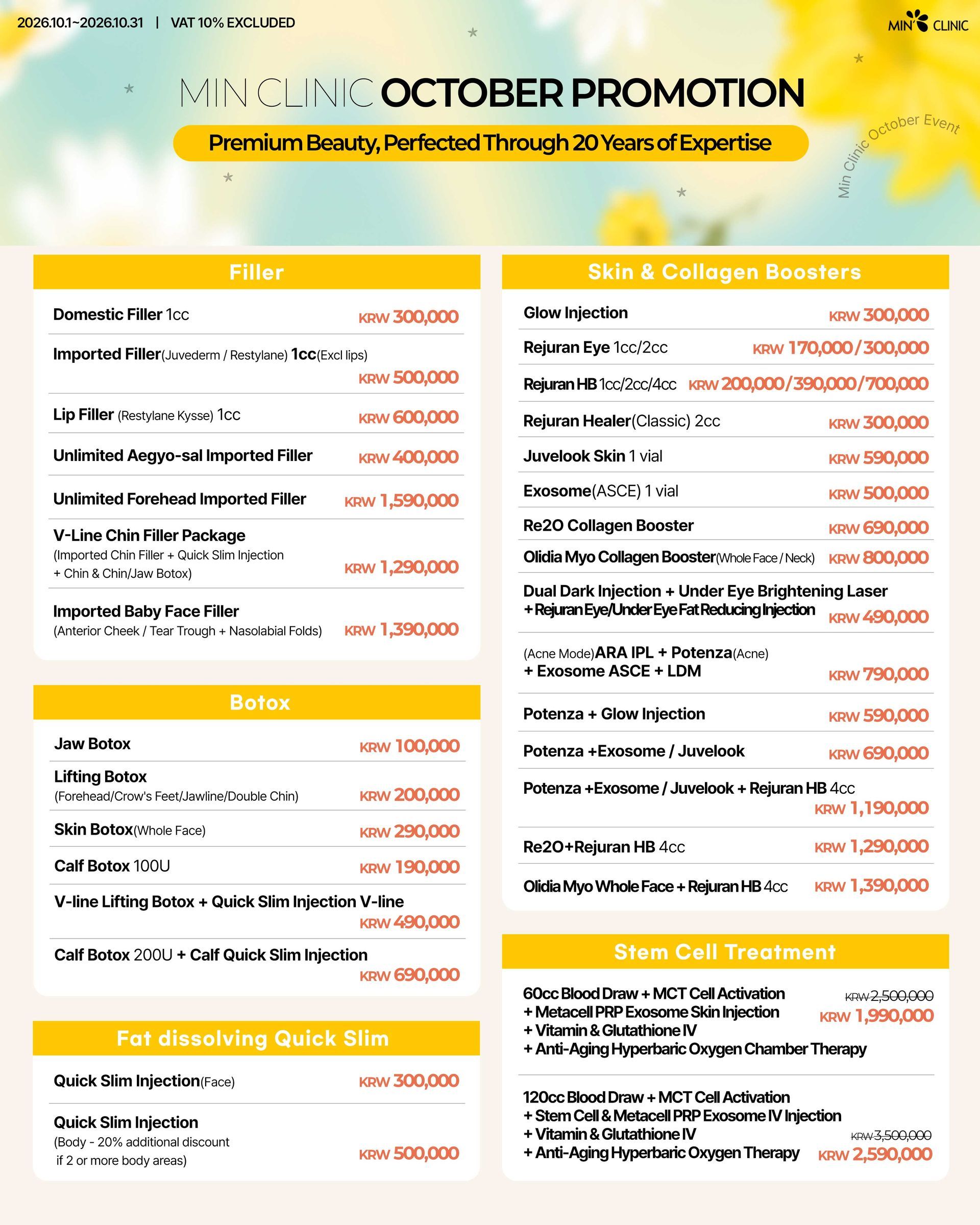
Typical Seoul prices at MIN Clinic are around KRW 1,500,000 to KRW 3,500,000 per Ultherapy session, KRW 800,000 to KRW 2,500,000 for 10THERMA and KRW 400,000 for full-face Potenza (VAT excluded). Prices depend on the number of lines or shots and the areas treated. See our event price list for current offers.
9. Why many plans use both
Because aging affects every layer, combining HIFU for structural lift with RF for skin quality often gives a fuller, more natural result than either alone. Some patients have both in a single visit, while others alternate them year by year so that each treatment maintains a different layer.
10. Choosing by age and skin type
In the 30s, RF and light HIFU plans are often used for prevention and firmness. In the 40s and 50s, HIFU becomes more important for structural lift, often supported by RF and skin boosters. Slimmer faces may lean toward RF, while fuller faces with sagging may benefit more from HIFU and ONDA.
11. Questions to ask your doctor
Which layer is causing my main concern? Will this plan affect facial volume? How many sessions will I need, and when will I see the result? A clear explanation helps you choose confidently.
Conclusion
HIFU is generally better for lifting sagging structure, while RF is generally better for tightening and refining the skin itself. The best choice depends on which layer is driving the change you see, and many people benefit from both. Send your photos to our English-speaking team on WhatsApp for a personal plan, or explore our Ultherapy and 10THERMA pages.
This article is for general information and does not replace medical advice. Results vary by individual, and a doctor's consultation is required before any treatment.