
Thread Lift in Korea: Cost, Longevity, and Recovery Timeline

A thread lift is one of the few non-surgical treatments that gives a visible lift on the same day. In Korea, it is popular with visitors who want a sharper jawline, lifted cheeks or softer nasolabial folds without surgery. Because the result is immediate, it is also a common choice before weddings, events or important photos.
This guide explains how a thread lift works, the types of threads used, typical costs in Seoul, how long results last, and a day-by-day recovery timeline so you can plan your trip.
1. What is a thread lift?
Fine dissolvable threads are placed under the skin through tiny entry points. Many threads have small cogs or barbs that grip the tissue, allowing the doctor to reposition sagging areas upward and anchor them in a lifted position. Over the following months, the threads dissolve and stimulate collagen around them, which helps maintain firmness after the threads themselves have gone.
2. Types of threads
Most threads are made from PDO, PLLA or PCL — materials that dissolve naturally in the body. PDO dissolves the fastest, while PCL tends to last the longest. Threads also differ in design: cog threads are used for lifting, while smooth or mono threads are used mainly for collagen stimulation and skin quality.
Your doctor chooses the type, number and direction of threads based on the weight of the tissue, your skin thickness and the result you want.
3. What can a thread lift improve?
Sagging cheeks and deep nasolabial folds.
Early jowls and a blurred jawline.
Mild drooping of the brow.
Loose skin along the lower face and neck.
It is especially useful when tissue is heavier than energy devices alone can comfortably lift.
4. Who is a good candidate?
Thread lifts suit people with mild to moderate sagging who want an immediate result and are comfortable with one to two days of social downtime. Very thin skin or very heavy tissue may need a different approach or a combination plan. Your doctor will also review medications, previous procedures and any history of keloids or poor healing.
5. Cost in Seoul
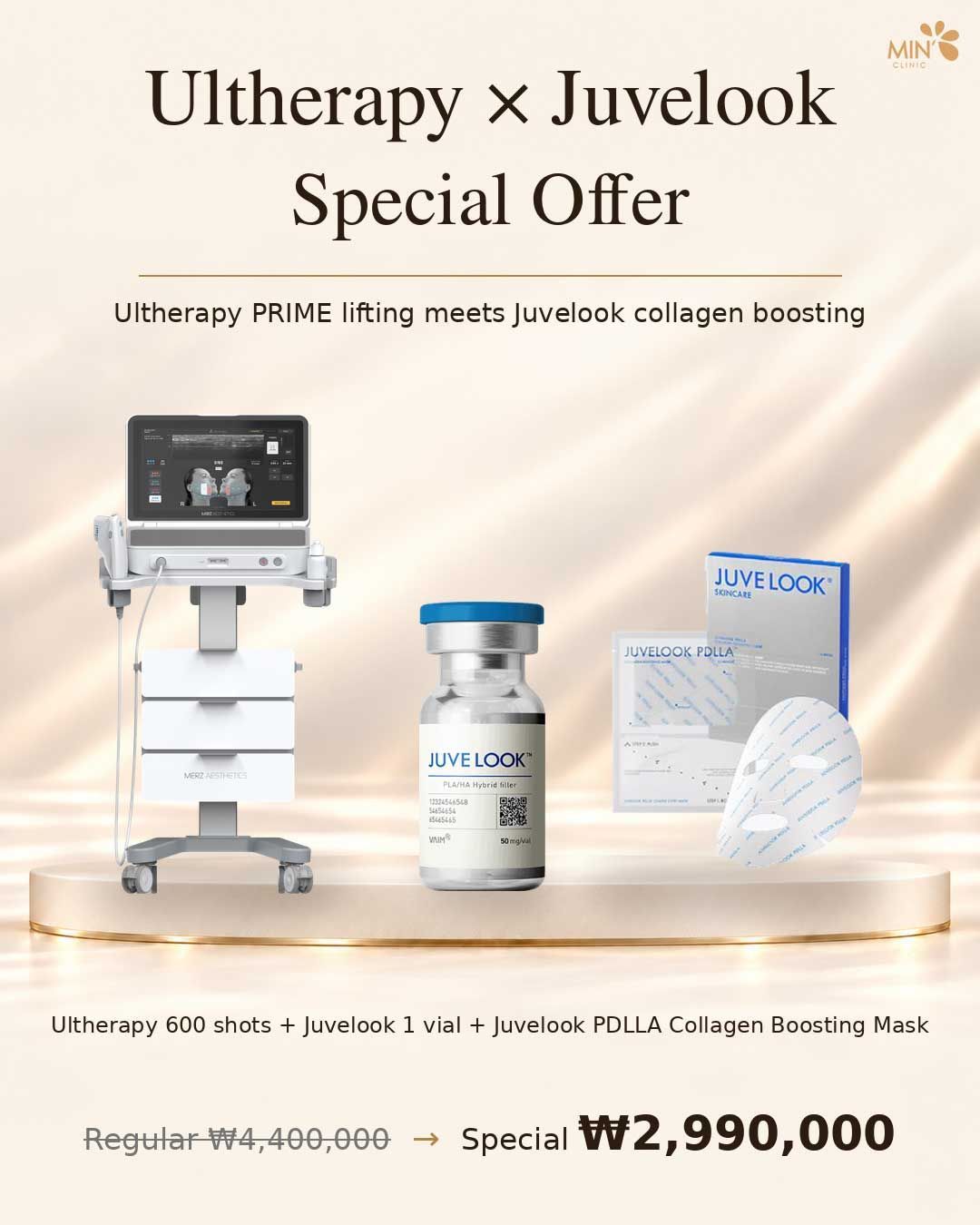
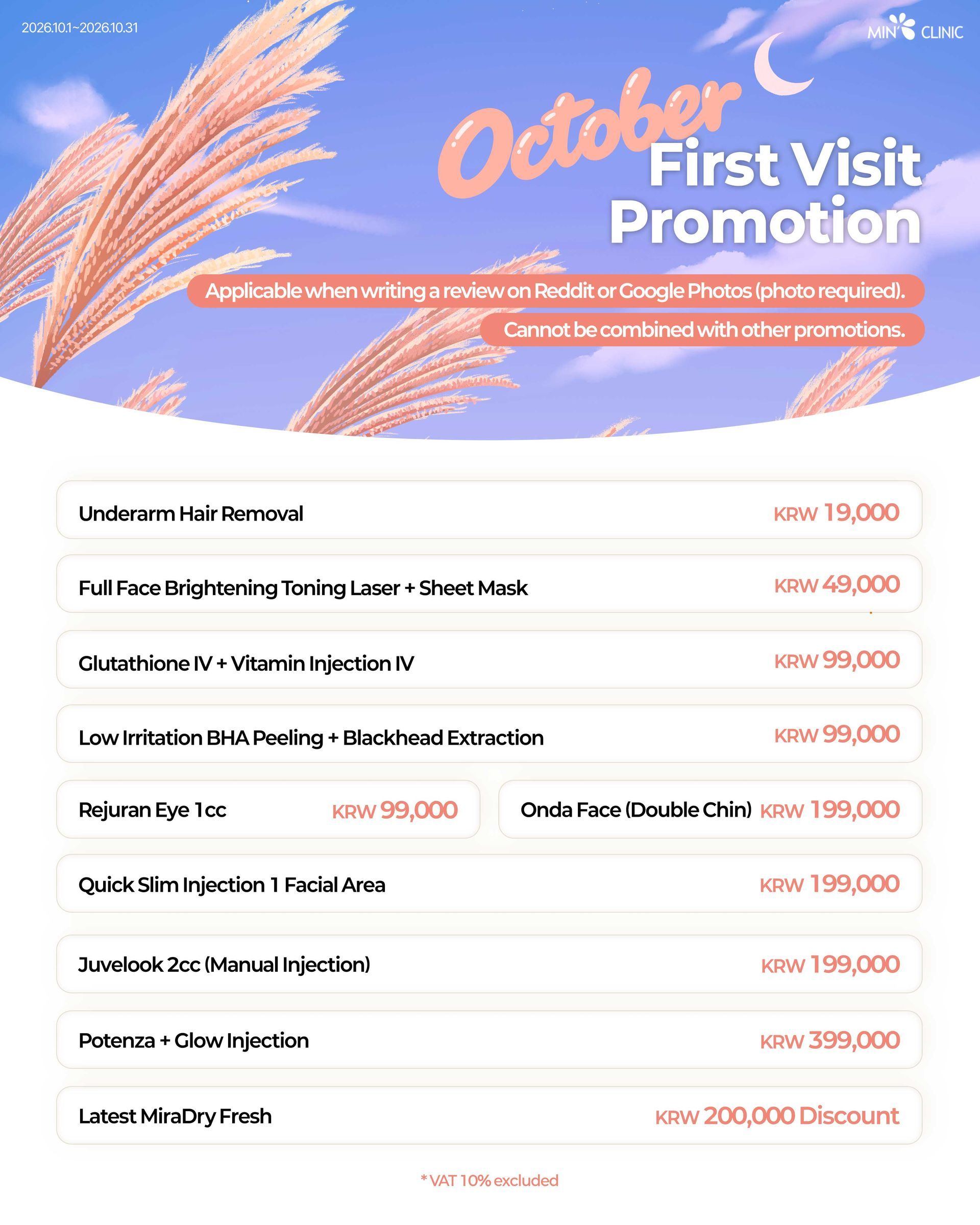
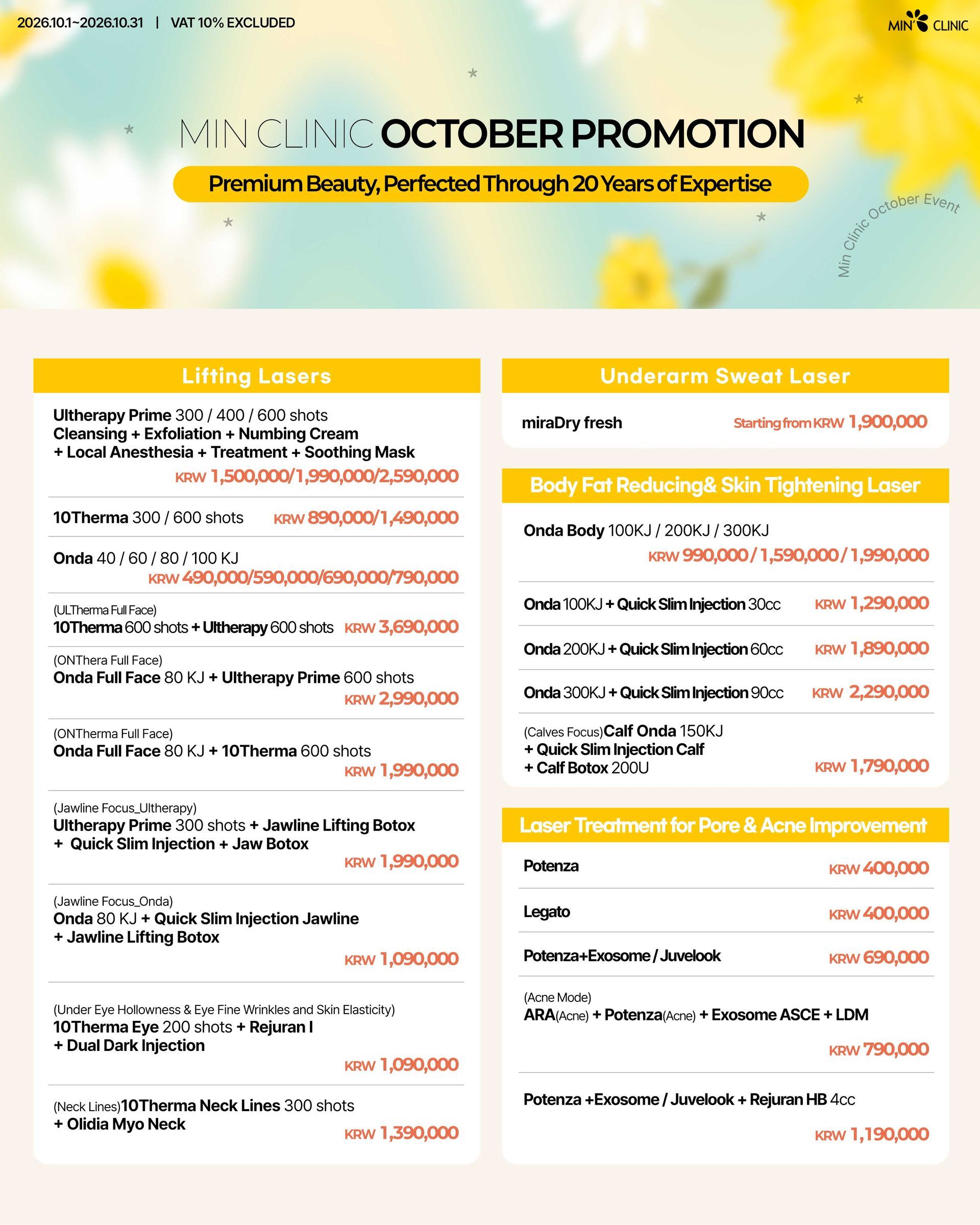
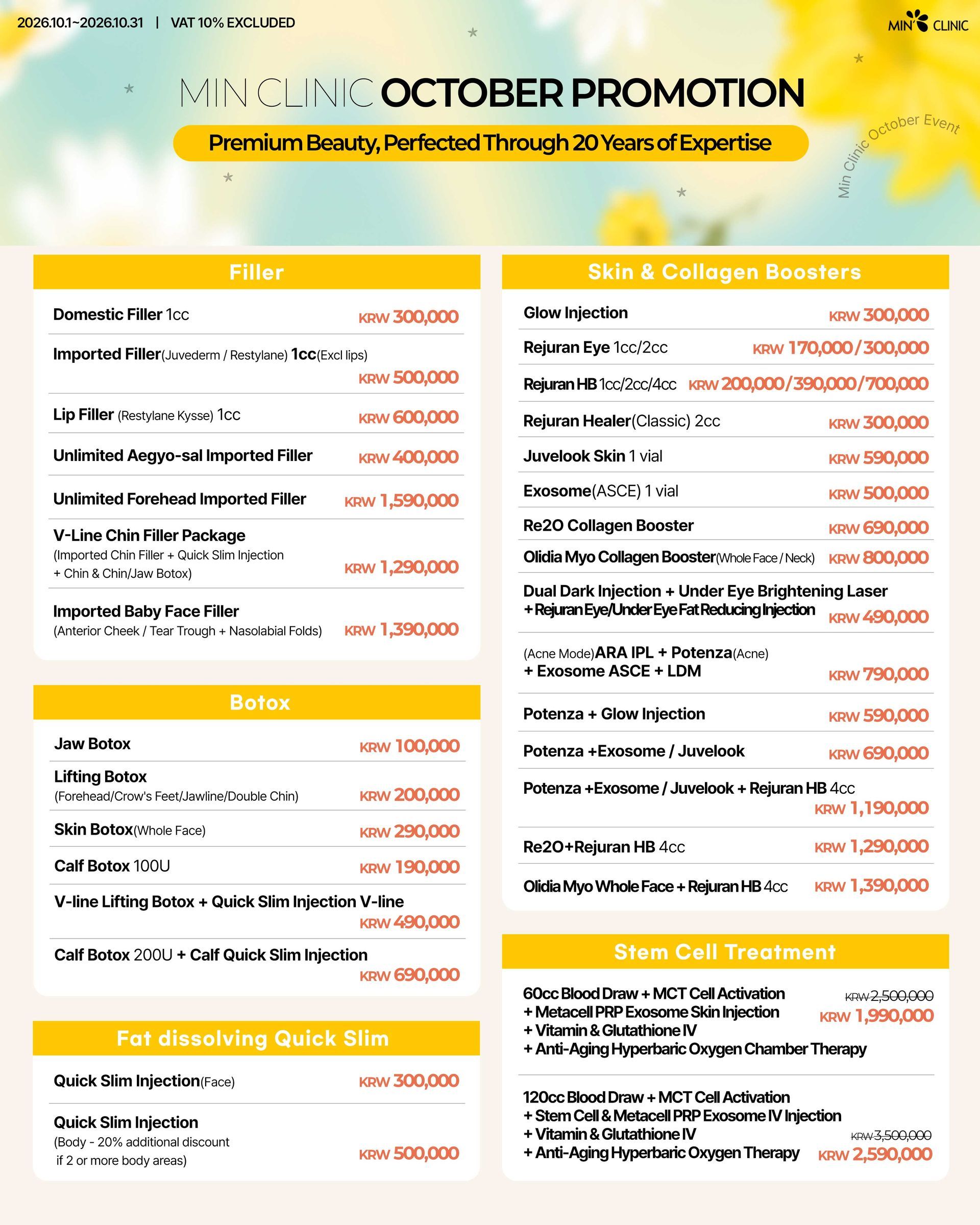
A thread lift in Seoul typically costs around KRW 1,200,000 to KRW 3,000,000, depending on the number and type of threads and the areas treated. A focused lower-face or jawline lift is usually at the lower end, while a full mid- and lower-face plan is at the higher end. Check our event price list for current offers; foreign passport holders may be eligible for tax-free benefits.
6. How long do results last?
The lift is visible immediately and becomes more natural as swelling settles. Results typically last around 12 to 18 months, with PCL threads usually lasting the longest. The collagen stimulated by the threads helps support the result even after they dissolve. Many patients maintain results with a lifting treatment such as Ultherapy or 10THERMA between thread sessions.
7. The procedure
After consultation and marking, local anaesthesia is applied along the entry points and thread paths. The doctor inserts the threads with a fine cannula or needle, positions them and adjusts the lift for symmetry. The procedure usually takes 30 to 60 minutes. You will be able to see the lift in a mirror before you leave.
8. Recovery timeline
Day 0: you may feel tightness and notice small marks at entry points. Mild swelling begins.
Days 1 to 2: swelling and tenderness are most noticeable. This is the main social downtime, usually about 24 to 48 hours.
Days 3 to 7: swelling settles and any small bruises fade. Some tightness when chewing, smiling widely or yawning is normal.
Weeks 2 to 4: the result looks natural as tissue settles around the threads.
Months 2 to 6: collagen continues to form around the threads, supporting firmness.
9. Aftercare tips
Avoid wide mouth opening, chewing hard foods and facial massage for about one to two weeks.
Sleep on your back with your head slightly raised for the first few nights.
Avoid saunas, intense exercise and alcohol for several days.
Follow your doctor's instructions on cleansing and make-up.
Contact the clinic if pain increases or you notice redness, warmth or a thread end near the surface.
10. Thread lift or energy lifting?
Energy devices such as Ultherapy build lift gradually without needles, while threads lift instantly. Threads tend to suit heavier tissue, while energy devices suit mild laxity and prevention. Many patients combine them: threads for immediate repositioning and Ultherapy or 10THERMA for long-term tightening.
11. Planning your trip
Schedule a thread lift early in your stay so swelling can settle before photos or your flight. A quick check-up a few days later is a good idea before you leave Seoul.
Conclusion
A thread lift gives an immediate, natural lift with about one to two days of social downtime and results lasting around 12 to 18 months. It is a strong option for heavier tissue that devices alone may not lift, and it combines well with energy-based tightening. Send your photos to our English-speaking team on WhatsApp, or read more on our thread lift in Gangnam page.
This article is for general information and does not replace medical advice. Results vary by individual, and a doctor's consultation is required before any treatment.