
Ultherapy for Jawline Tightening: Can It Improve Facial Sagging?
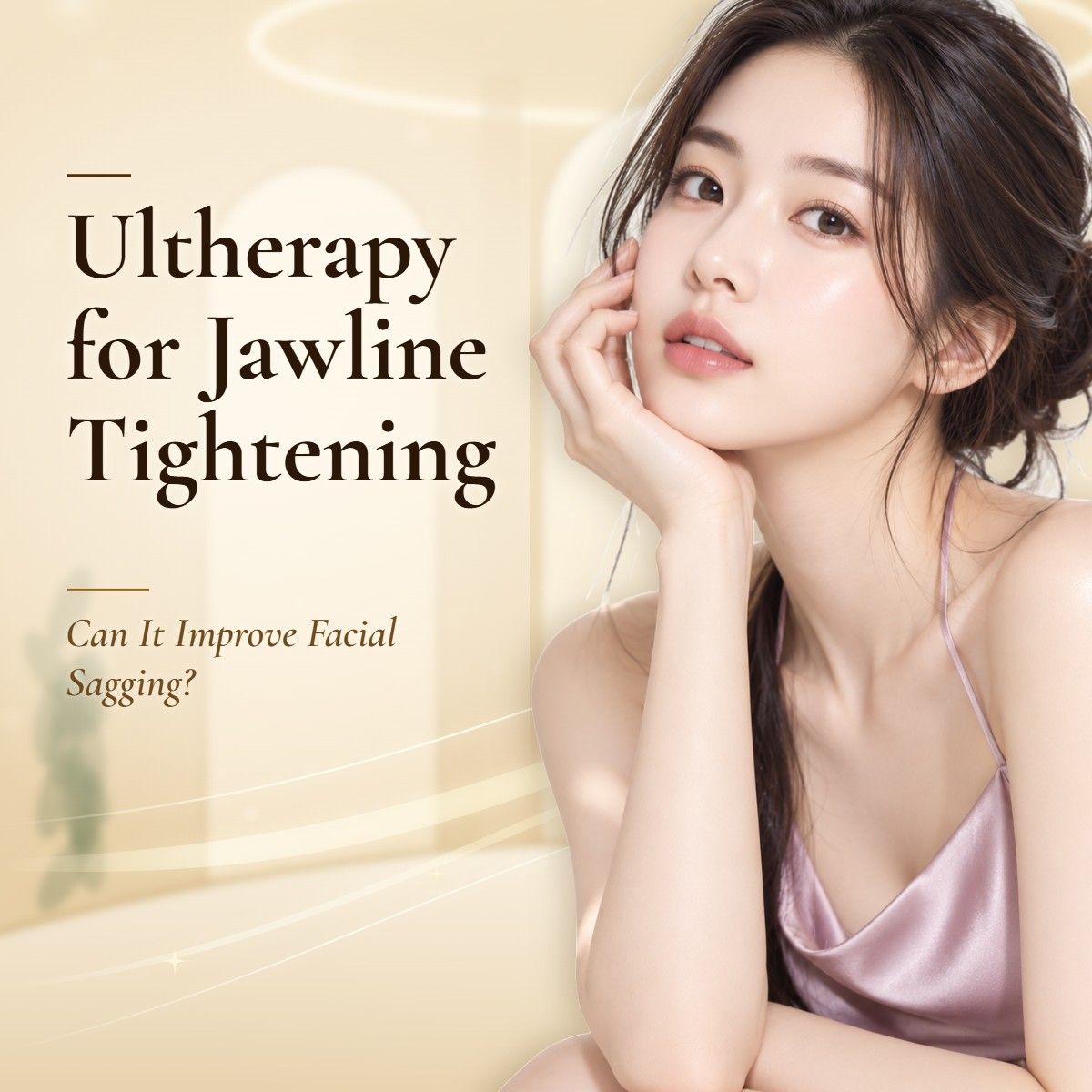
A sharp, defined jawline is one of the first features to change with age. Skin loses elasticity, the deeper tissues gradually descend, and the lower face can start to look heavier or blurred, especially in side-profile photos. Ultherapy is one of the most popular non-surgical options for this concern in Gangnam.
This guide explains why the jawline softens, how Ultherapy works on this area, what results to expect, who is a good candidate, and when other treatments such as ONDA, threads or jaw Botox may be a better fit or a useful addition.
1. Why the jawline softens
Several changes happen at the same time. Collagen and elastin decline, so the skin becomes less firm. The SMAS layer and facial fat pads slowly move downward, forming early jowls along the jaw. Changes in bone and muscle reduce the structural support of the lower face. In some people, extra fat under the chin or along the jaw adds to the blurred appearance.
Understanding which of these changes is driving your concern is the key to choosing the right treatment.
2. How Ultherapy works on the jawline
Ultherapy delivers micro-focused ultrasound to precise depths, including the SMAS layer — the same structure tightened during a surgical facelift. The heat points trigger new collagen production, which tightens and lifts the tissue gradually. Along the jawline, this can sharpen the contour, reduce mild jowling and tighten the skin under the chin.
Real-time imaging is particularly valuable here, because tissue thickness varies a lot around the jaw and close to bone. The doctor can confirm the depth before each line and adjust the plan as needed.
3. What results to expect
Results build gradually over two to three months as new collagen forms. Most patients see a cleaner jaw contour, firmer skin and a less heavy lower face, rather than a dramatic change. For mild to moderate laxity, the improvement is often most noticeable in side-profile photos.
Results typically last about a year with original Ultherapy and around 12 to 18 months with Ulthera Prime. Yearly maintenance helps keep the jawline defined.
4. Who is a good candidate?
Ultherapy for the jawline suits people with mild to moderate sagging, often in their 30s to 60s, who want a natural change without surgery or downtime. It works best when the skin still has some elasticity.
It is less suitable when there is significant excess skin, where a thread lift or surgical consultation may give a more visible improvement, or when the main issue is fat rather than laxity.
5. When fat is the main issue
If fullness along the jaw or under the chin comes mainly from fat, tightening alone may not give the definition you want. ONDA lifting, which uses Coolwaves microwave energy to target the fat layer, can reduce this fullness, and Ultherapy can then tighten the tissue above it. Your doctor will assess which layer is responsible before recommending a plan, often with the help of an AI 3D skin analysis.
6. When muscle is the main issue
A wide, square lower face is sometimes caused by a strong masseter muscle rather than sagging. In this case, jaw Botox can slim the muscle over four to eight weeks. It does not lift the skin, but combined with Ultherapy it can create a slimmer and more defined lower face.
7. Comparing jawline options
Ultherapy: structural lift and tightening from the SMAS layer, with minimal downtime.
ONDA lifting: reduces fat in a fuller lower face, with no downtime.
Thread lift: immediate mechanical lift for heavier tissue, with about one to two days of social downtime.
Jaw Botox: slims an enlarged masseter muscle, useful for a square jaw rather than sagging.
Many patients combine two of these for a more complete result.
8. Comfort and recovery
The jawline is one of the more sensitive areas because energy is delivered close to bone. Numbing cream is applied beforehand, and the doctor can adjust energy during treatment. Afterwards, some people feel tenderness or mild swelling along the jaw for a few days. There is no wound, and most people return to normal activities the same day.
9. Cost in Seoul
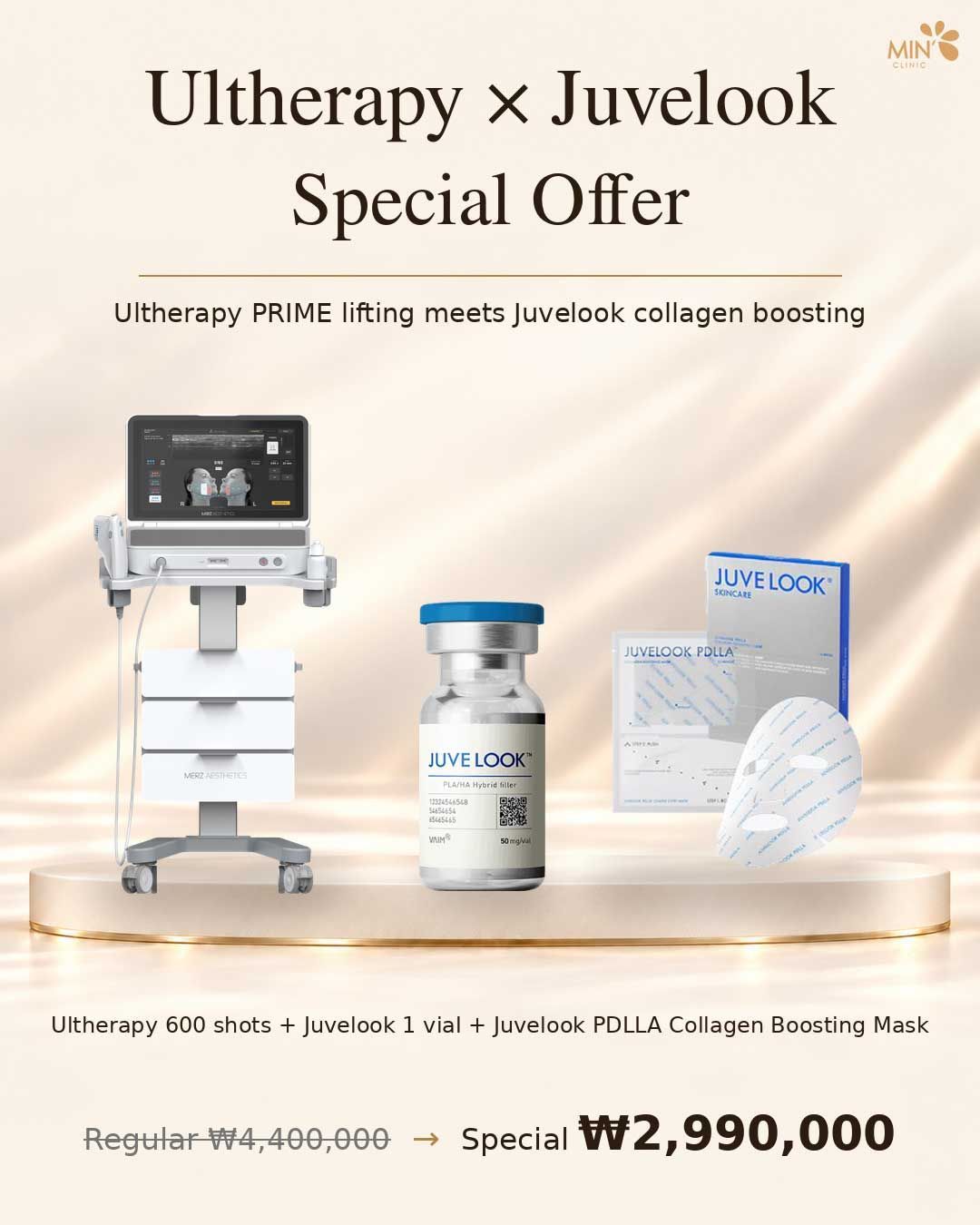
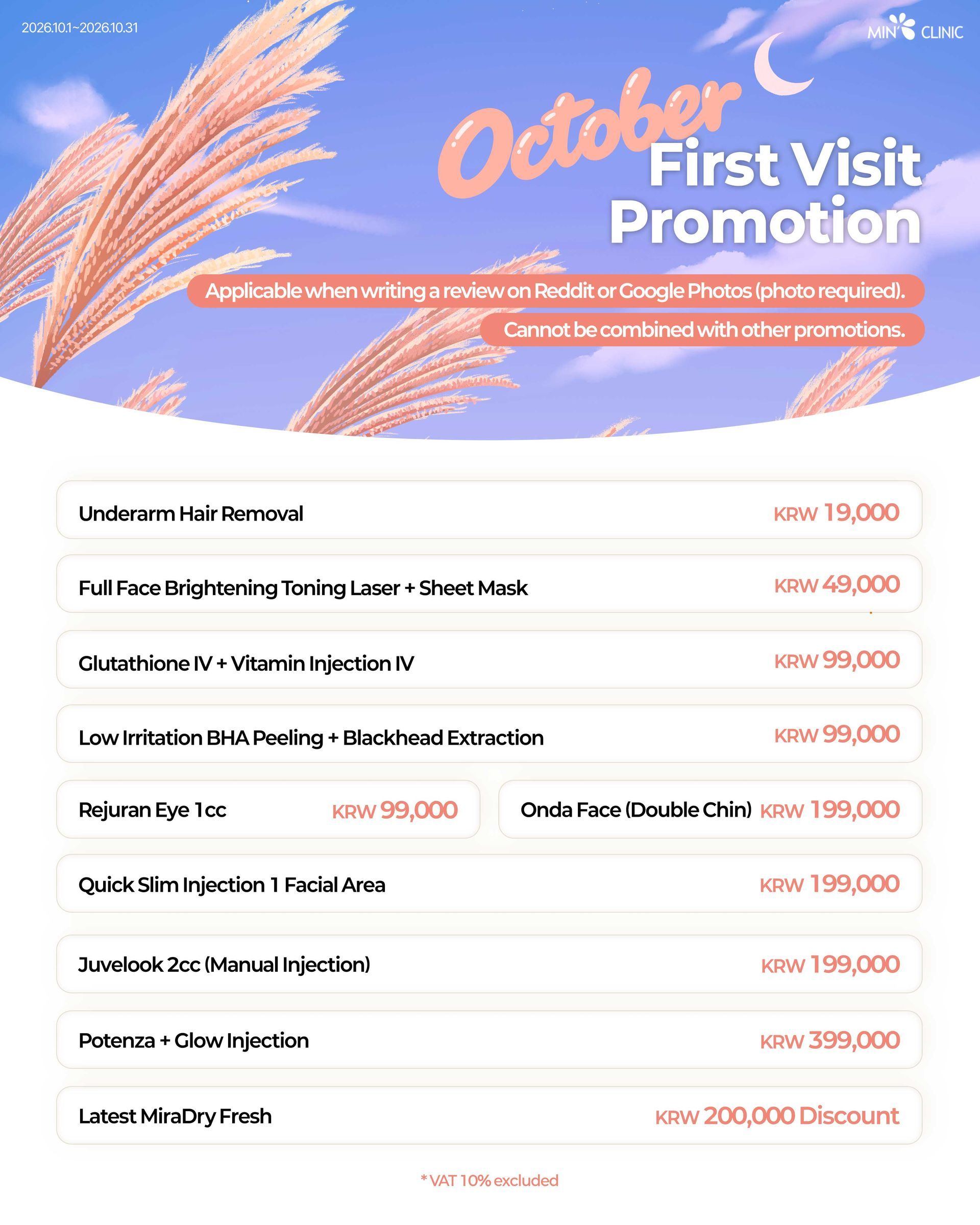
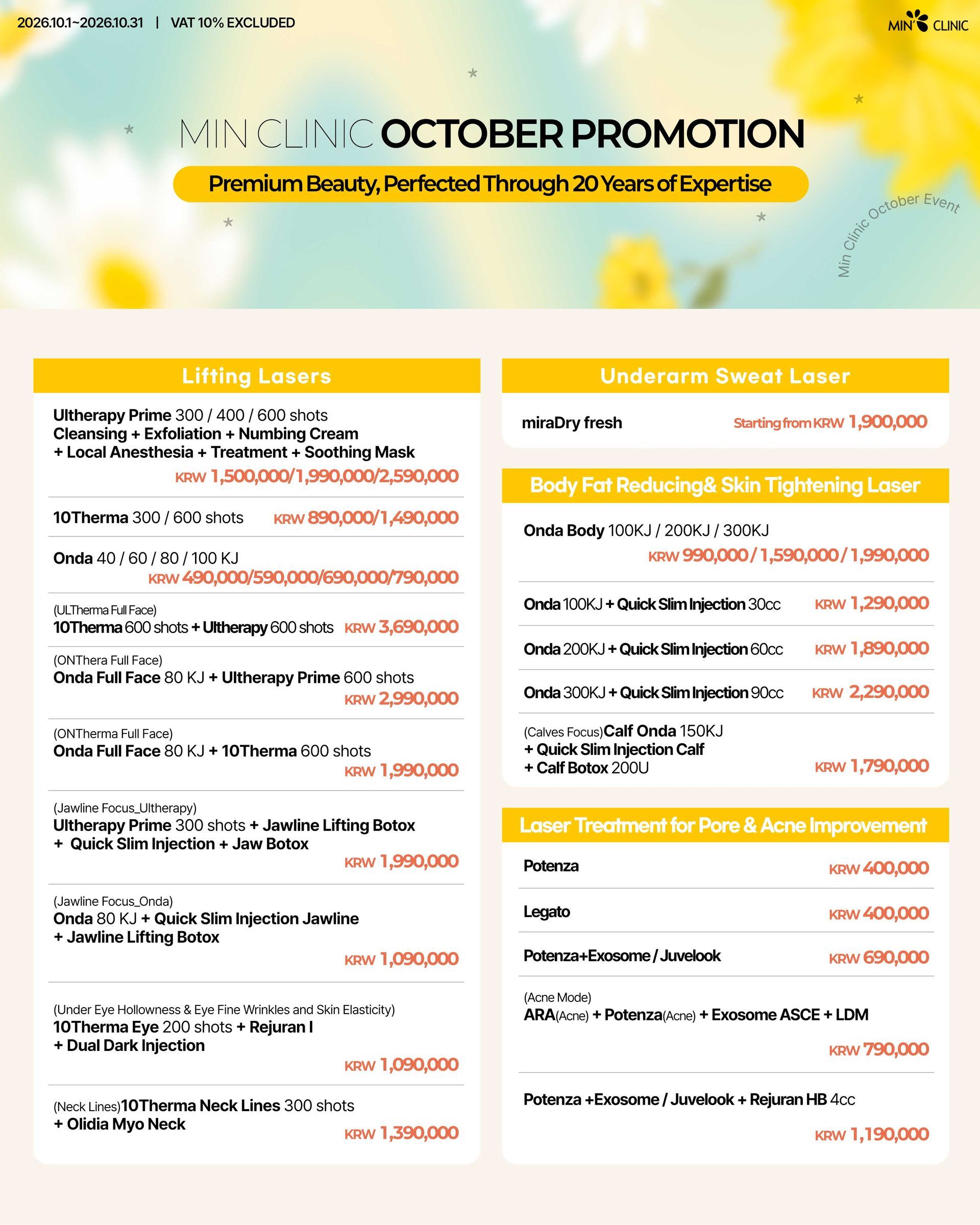
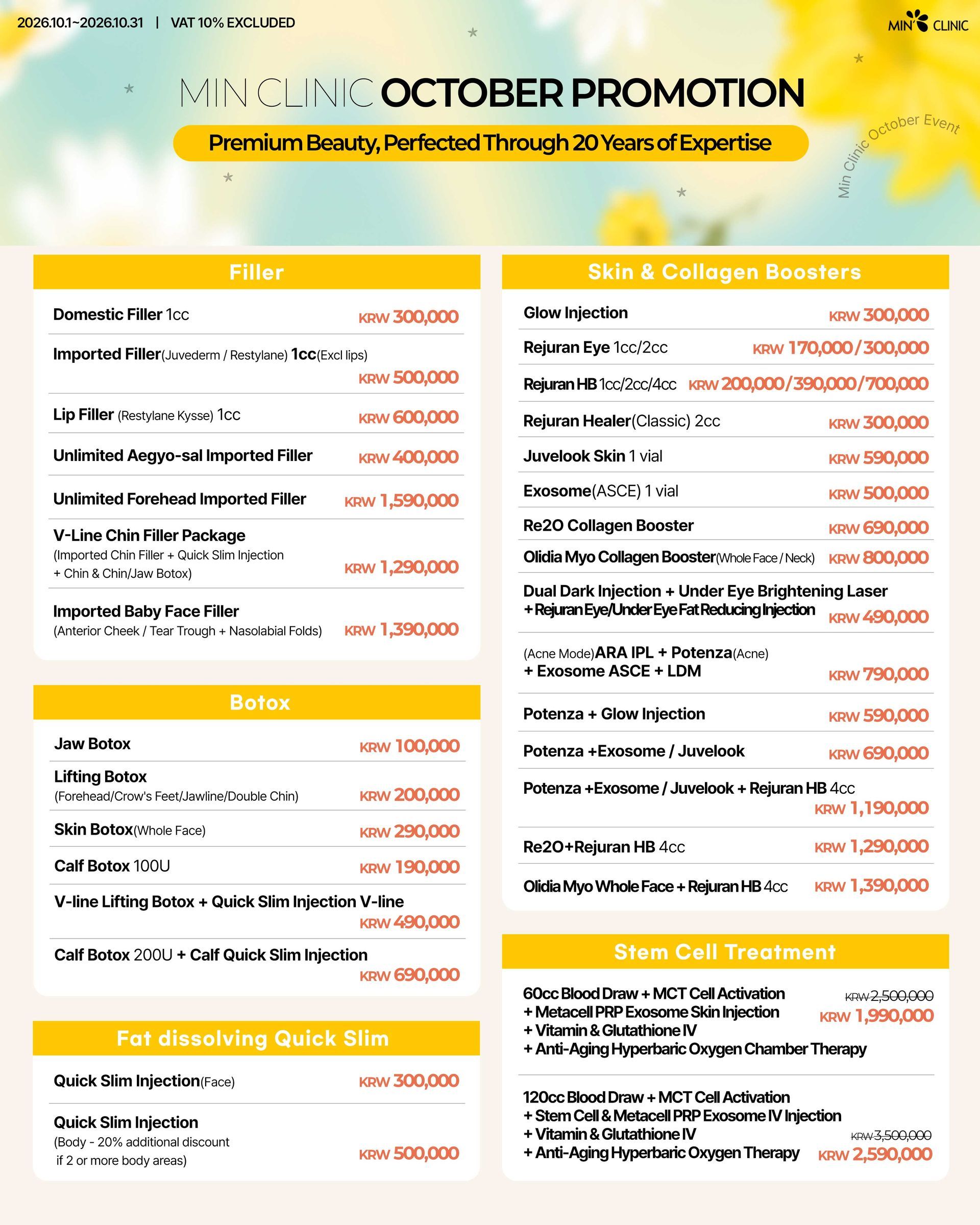
A focused lower-face and jawline plan is usually at the lower end of the typical Seoul range of around KRW 1,500,000 to KRW 3,500,000 per session. Adding the neck or a full-face plan increases the price. See current offers on our event price list.
Conclusion
Ultherapy can meaningfully improve a softening jawline and early jowls by tightening the deeper layers, with gradual results that look natural. If fat or a strong jaw muscle is part of the picture, a combination with ONDA or jaw Botox often works better than a single treatment. Send your side-profile photos to our English-speaking team on WhatsApp, or read more on our Ultherapy and ONDA lifting pages.
This article is for general information and does not replace medical advice. Results vary by individual, and a doctor's consultation is required before any treatment.