
How Long Does Ultherapy Last? Results and Maintenance Explained

One of the first questions people ask about Ultherapy is how long the results will last. It is a fair question: the treatment is an investment, and you want to know what you are getting. The honest answer is that it depends on you, but there are clear patterns that help you plan.
This guide explains the results timeline from the first day to the end of the first year, what shortens or extends results, how to plan maintenance, and how to combine treatments so your lift stays natural and consistent over time.
1. How Ultherapy creates results
Ultherapy uses micro-focused ultrasound with real-time imaging to place small points of heat at precise depths, including the SMAS layer that is tightened in a surgical facelift. The heat causes an immediate contraction of tissue and starts a healing process that produces new collagen and elastin. Because the main improvement comes from new collagen, results build gradually rather than appearing overnight.
2. The results timeline
Right after treatment: some people notice slight firmness, partly from the initial tissue contraction. Mild redness fades within hours.
Two to four weeks: a subtle lift begins as collagen remodelling starts. Friends may say you look rested without knowing why.
Two to three months: the peak result, when new collagen has matured and the lift of the brow, jawline and under-chin area is most visible.
Around twelve months: results with original Ultherapy typically last about a year, after which natural ageing continues from a better starting point.
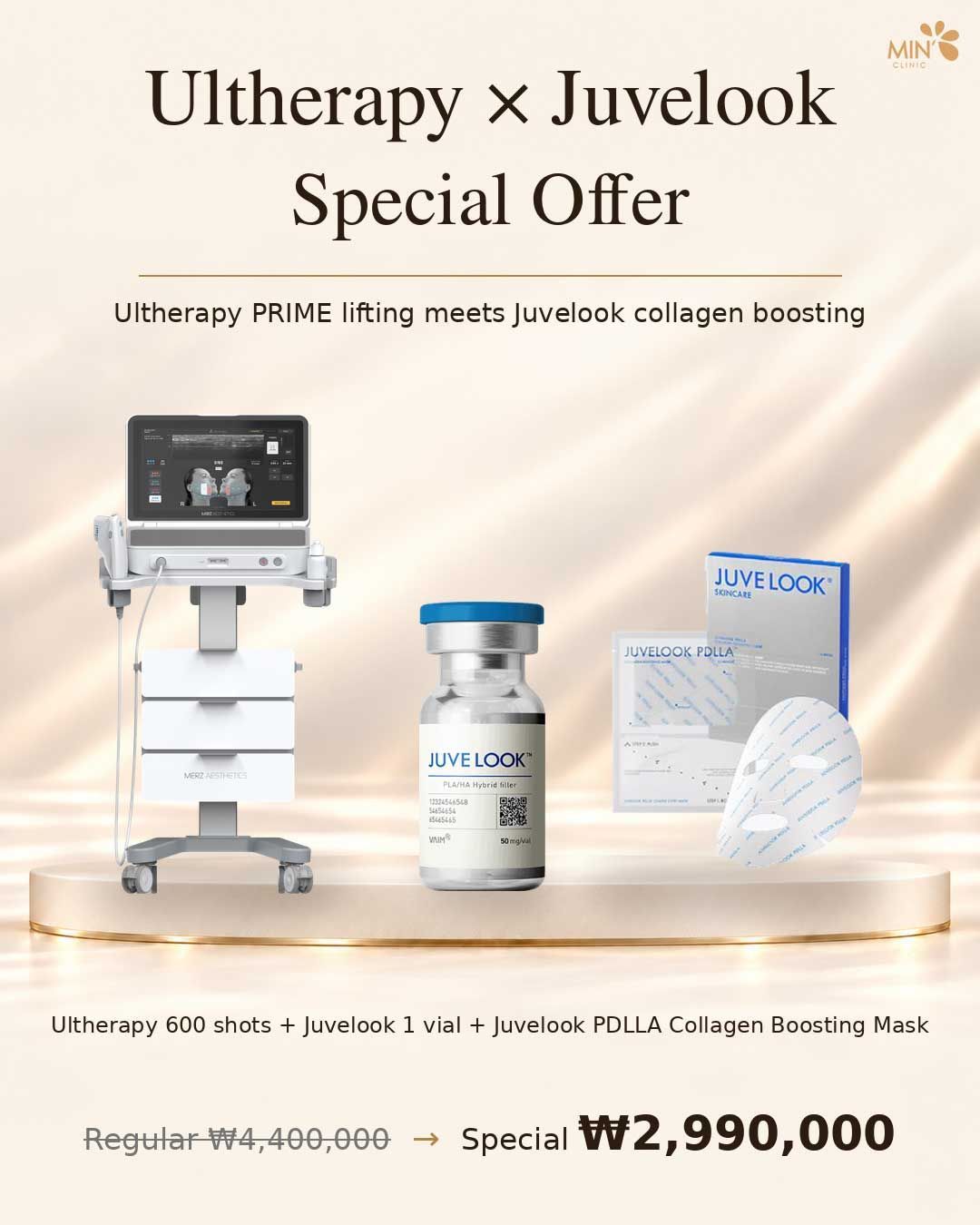
With Ulthera Prime, results at MIN Clinic typically last about 12 to 18 months.
3. Why results do not last forever
Ultherapy does not stop the ageing process. Your skin continues to lose collagen every year, the fat pads continue to descend and the bone structure slowly changes. The new collagen produced by treatment gives you a firmer foundation, but it ages alongside the rest of your skin.
This is why people who have regular treatments often look consistently refreshed, rather than going through cycles of noticeable sagging and correction.
4. Factors that shorten results
Sun exposure: UV light breaks down collagen faster. Daily sunscreen is one of the simplest ways to protect your result.
Smoking and heavy alcohol use: both reduce skin quality and collagen production.
Significant weight changes: weight loss can reduce facial volume and make laxity more visible, while weight gain can add heaviness to the lower face.
Advanced laxity: when sagging is more pronounced at the start, results may be less dramatic and may need maintenance sooner.
5. Factors that extend results
Starting earlier: people with mild laxity often keep their results longer.
Healthy skin: hydrated, well-cared-for skin responds better to collagen stimulation.
Combination treatments: pairing structural lift with skin quality treatments helps the overall look last.
A consistent maintenance plan: regular sessions maintain collagen levels rather than letting them decline fully.
6. How to plan maintenance
Many patients choose a yearly maintenance session to keep results steady. A maintenance plan may use a similar or slightly lower line count than the first treatment, depending on how your skin has changed. Some people alternate treatments — Ultherapy one year and an RF treatment such as 10THERMA the next — to address both deep structure and skin texture.
If you live abroad, it can help to pair your maintenance session with a regular trip to Seoul. Our team can keep a record of your previous plan so the next session builds on it.
7. Combining treatments for longer-lasting results
Ultherapy lifts from the deeper layers. Adding skin boosters such as Rejuran Healer or Juvelook improves elasticity and texture at the surface, which helps the overall result look fresher for longer. For a heavier lower face, ONDA lifting can reduce fullness that would otherwise weigh the jawline down. Your doctor will suggest an order and timing that keeps recovery simple.
8. Signs it is time for another session
You may notice the jawline softening again, the brow feeling heavier, or make-up settling differently around the lower face. Rather than waiting until the change is obvious, many patients book a check-up around nine to twelve months after treatment so the doctor can assess elasticity and plan the next step before results fade fully.
9. Cost of maintenance in Seoul
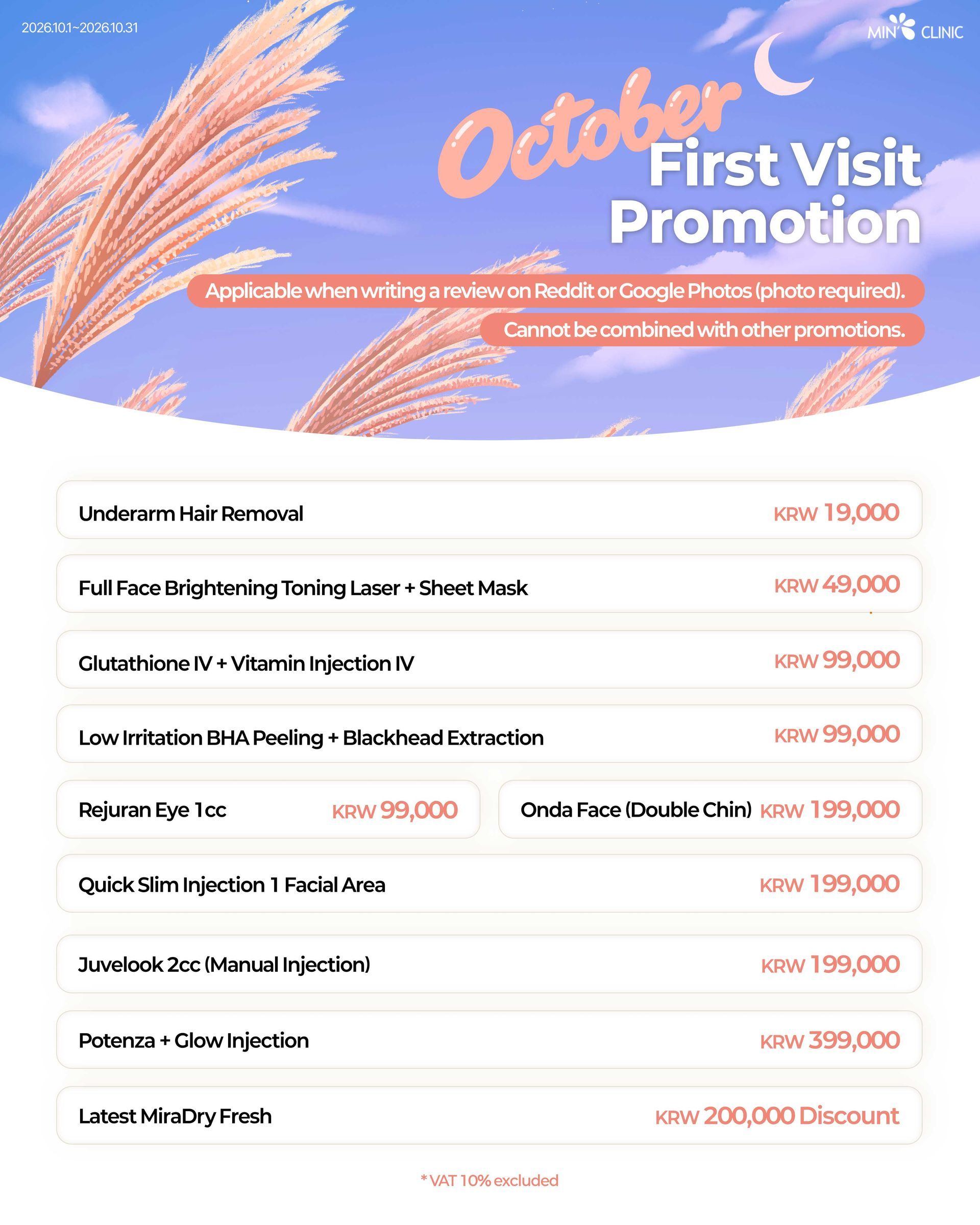
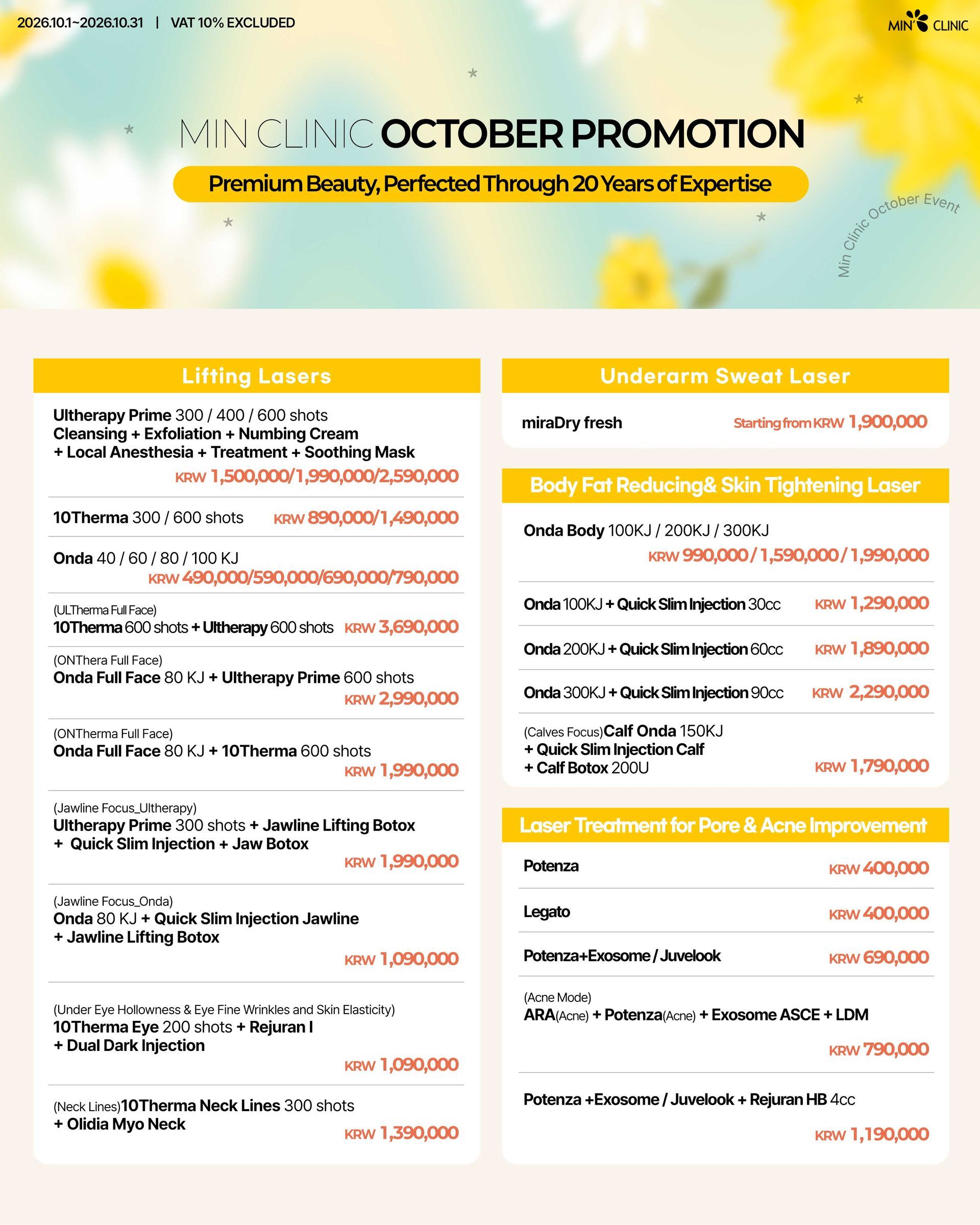
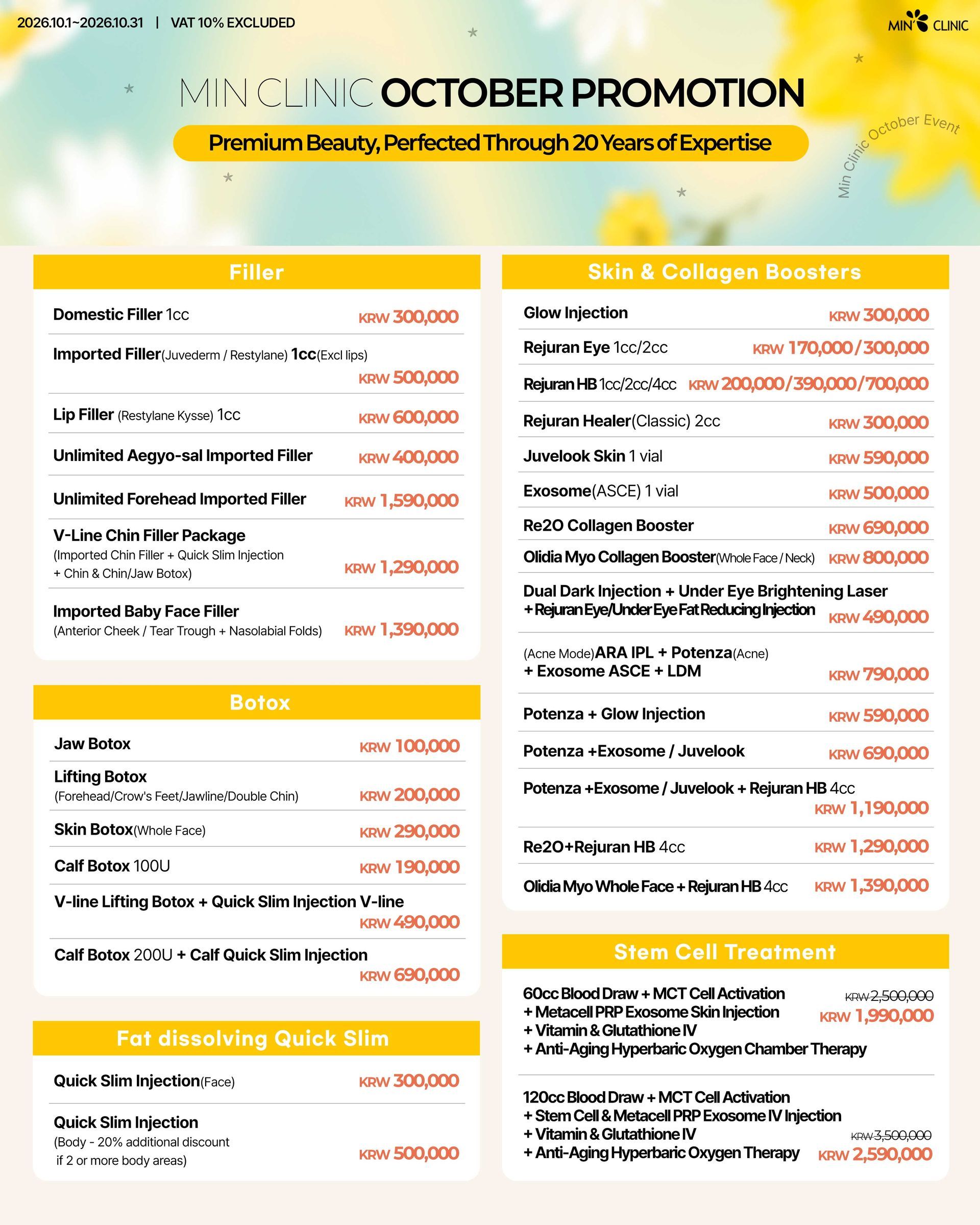
Ultherapy in Seoul typically costs around KRW 1,500,000 to KRW 3,500,000 per session, depending on the areas and line count. Maintenance sessions may cost less if fewer lines are needed. Check our event price list for current offers, and remember that foreign passport holders may be eligible for tax-free benefits.
Conclusion
Ultherapy results build over two to three months and typically last about a year, or around 12 to 18 months with Ulthera Prime. Protecting your skin from the sun, keeping your weight stable, combining lift with skin quality treatments and planning yearly maintenance all help you get the most from each session. To plan your timeline, message our English-speaking team on WhatsApp, or read more on our Ultherapy in Gangnam page.
This article is for general information and does not replace medical advice. Results vary by individual, and a doctor's consultation is required before any treatment.